aRTiNmUSIC: First Image Laufey’s fROM tHE sTART


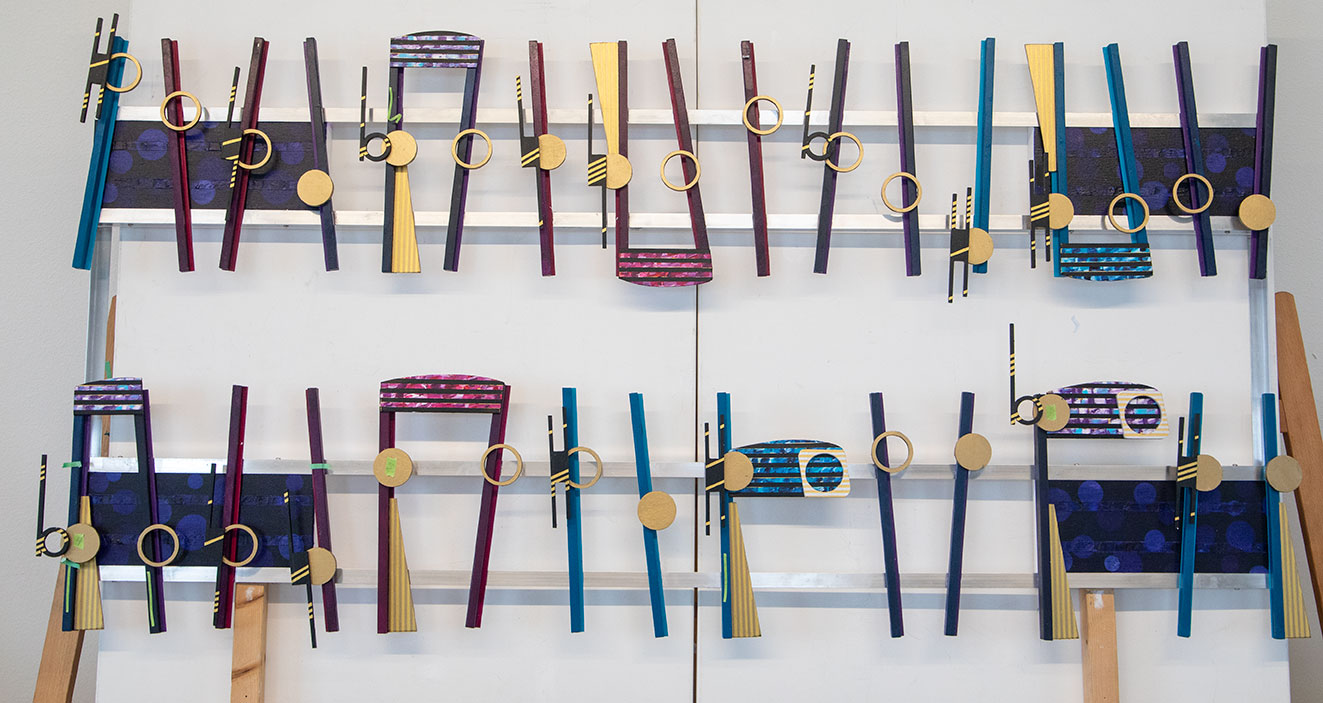
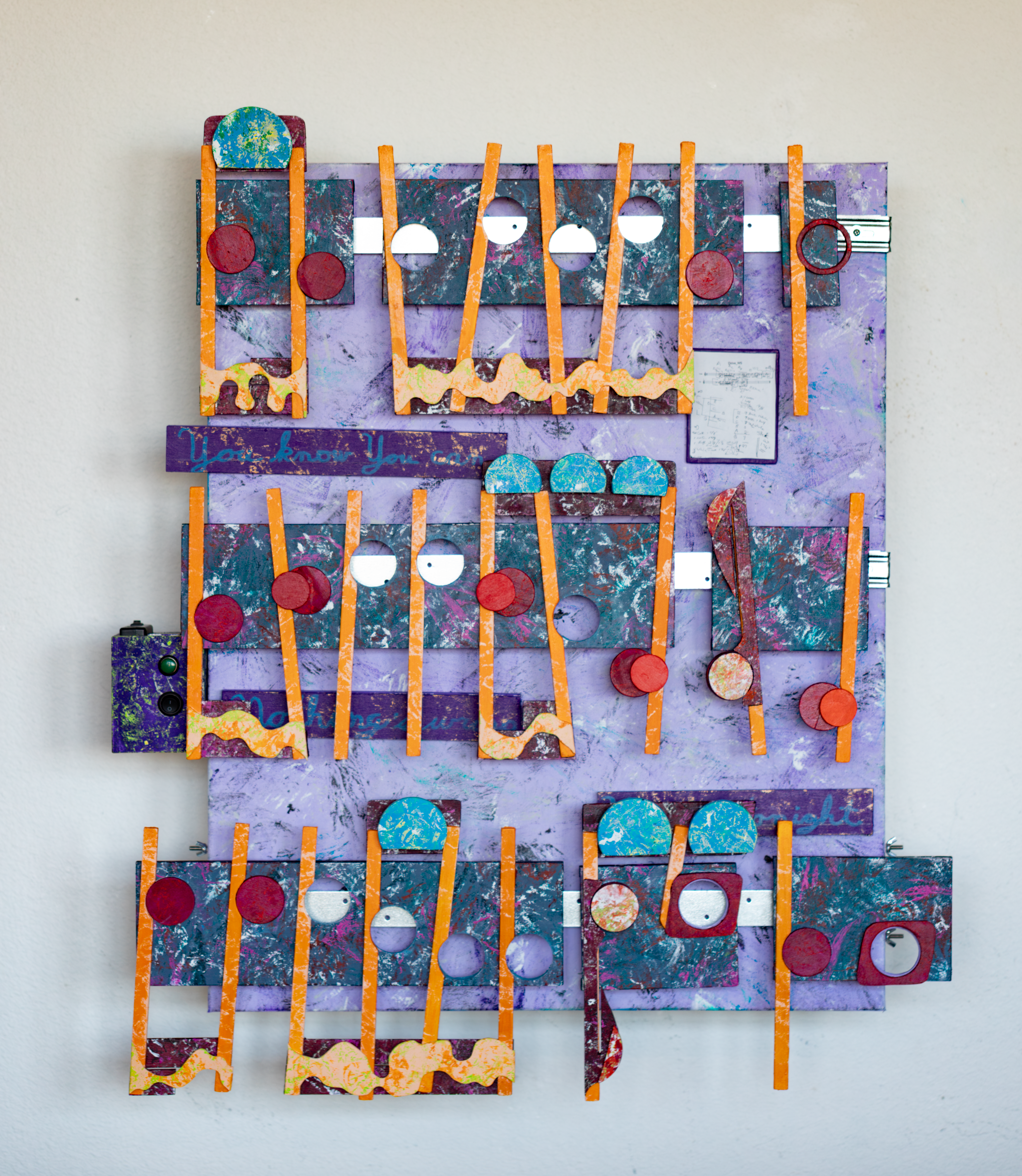
This is the Final final image of Drive project combining the emotions of mUSIC andthe colors of aRT to represent mUSaRT

Above is the Final final image of Drive project, combining the emotions of mUSIC and the colors of aRT are represented in mUSaRT.

Okay, I liked this song From the Start, when I first heard it on the Grammys.

The Grammies is where I first heard this song.

I did not know who Laufey was, and it took me until the start of the project to even know how to pronounce her name. I liked the Bosa Nova rhythm of this song, which was a total surprise. Eventual I was looking for a newer “unrequited song” to paint, and this song came to mind. It was the jazzy sound that convinced me to make this music my next project. But (TiAaB) I did not realize she is only 26, which should not surprise me, she is a pop star, but after watching her videos and her style of outfits she choose what I thought listening to the music this was a young but more mature jazz singer type of pop star. But (TiAaB), as I watch her video, From the Start, I wondered why she was dressing like a “girl,” instead of a fairly sophisticated 40s torch singer, for example. I then looked at an other images of her in other videos of her, and I kept seeing a little “dress-up girl” instead of a young Ella.
That thoughts has caused a lot of issues, choosing what colors to use to define this artist and her music. I finally settled on three videos, including this one, which I have all posted on her to point my color directions, which of course is a young “girly” theme of pastels and soft and floating, and diverse. I do not know. but (TiAaB) I will not abandon this last “unrequited” love theme series until this work is done. I have found a new musical direction.

“Things that make you go,hmm, hmm, hmm*”
(The back en forth between Scott and Mr. Brightside.)

Big Band Pulse. Rock Engine. Jazz Cats with Chops.
The rest? File it under Museum White Noise.
(Definition of this aRT and the aRTIST)


After all these projects, I’m reminded that aRT is hard work. The standards always start high and end somewhere around “good enough,” and that’s fine. I don’t need to explain every brushstroke or note anymore. Better to say, “Here it is. I hope you like it. Any questions, let me know.” That’s the new rhythm — less talk, more making. And if I can slip in a few other art or music obsessions along the way, maybe that keeps the fun alive.

The Garage Was Our TikTok
(draft essay – Brightside edit)

Scrolling through Spotify’s 60s Garage Bands playlist, I hit a page of 14 songs — Gloria, Incense and Peppermints, Just Like Me, Talk Talk, You Really Got Me — and realized I have a personal memory attached to every one of them. Fourteen songs, fourteen scenes from a life.

Back then, music wasn’t background noise; it was the center of the conversation. Every riff and drum hit was an invitation. Boys and girls came together through songs, not screens. We learned who we were by how loud we turned the volume and who we were with when we did.

Today, the social space music once filled has been replaced by video loops, algorithmic beats, and thirty-second dopamine bites. The sound is bigger, but the meaning smaller — a digital carnival of slap-stick filters and “check out the girls” distraction.

Garage bands didn’t chase views; they chased sound. They built community with amplifiers that hummed, not wireless earbuds that isolate. Their mistakes became identity. Their limitations became style.

When I hear those songs now, I don’t just hear the past — I hear a time when music connected us. It didn’t sell us something; it made us someone.
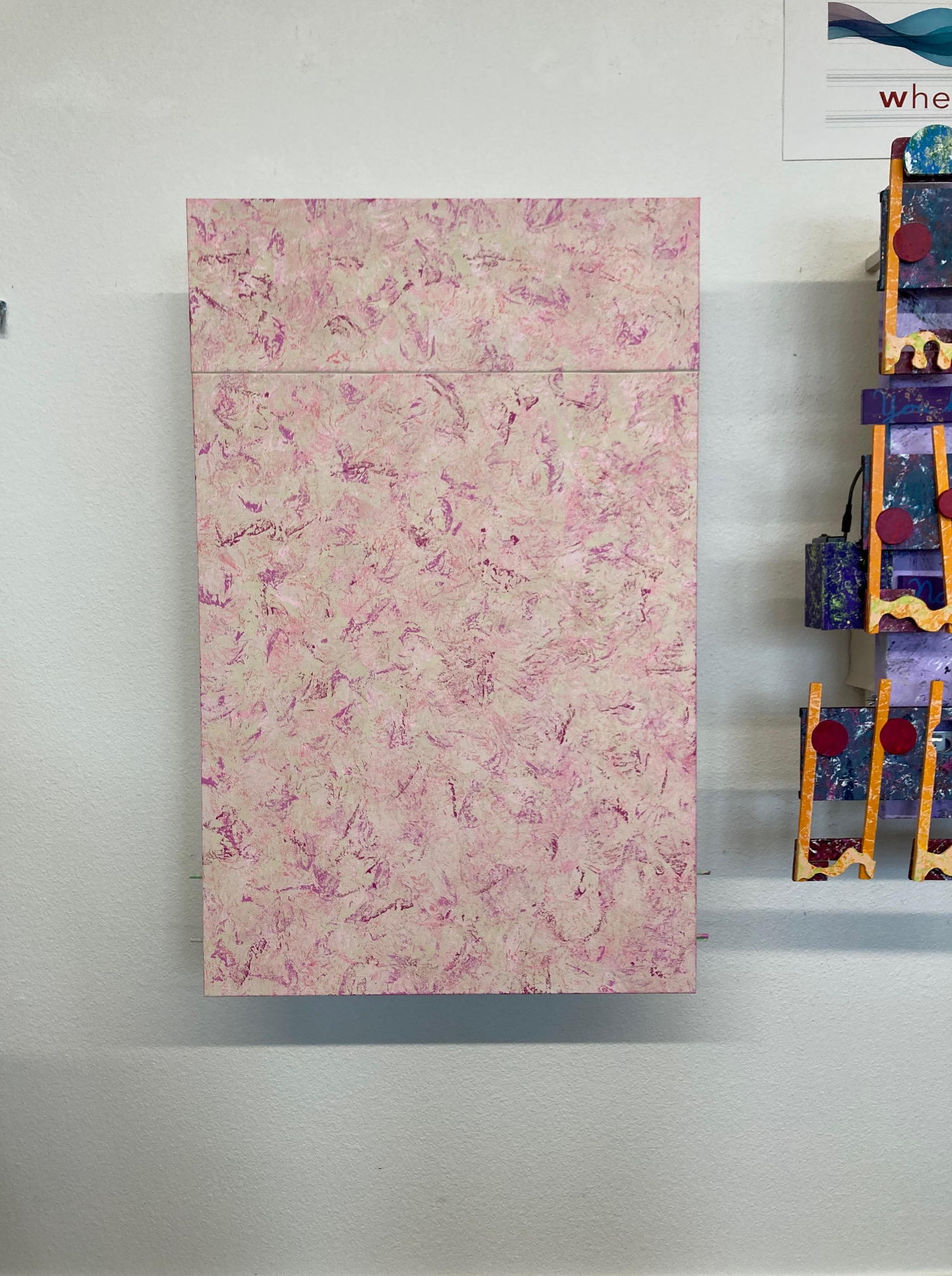
This is the first image of Laufey’s From the Start on the wall.
Nov. 25th
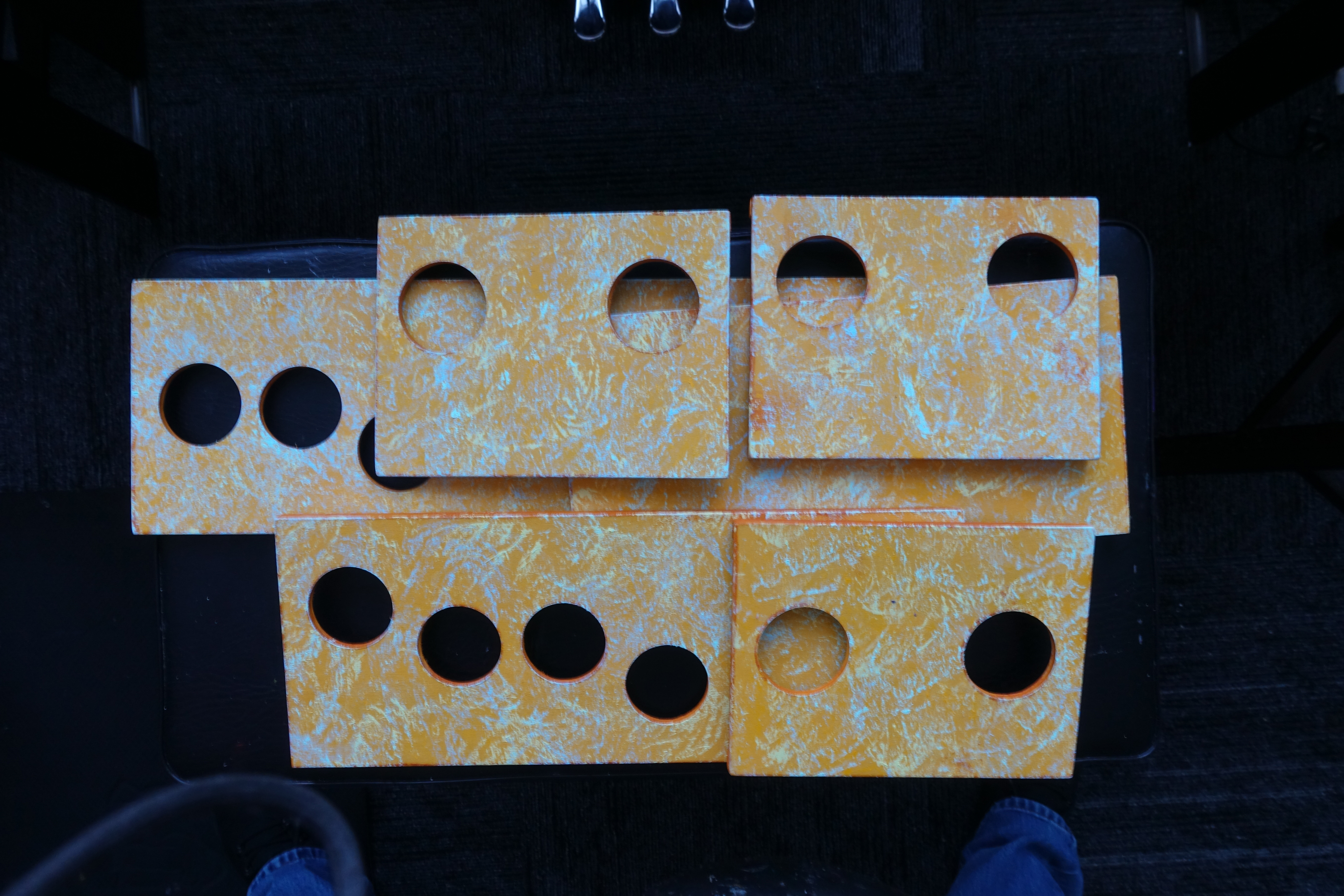
Here are all the staffs cut out and ready to be installed. Nov 30th
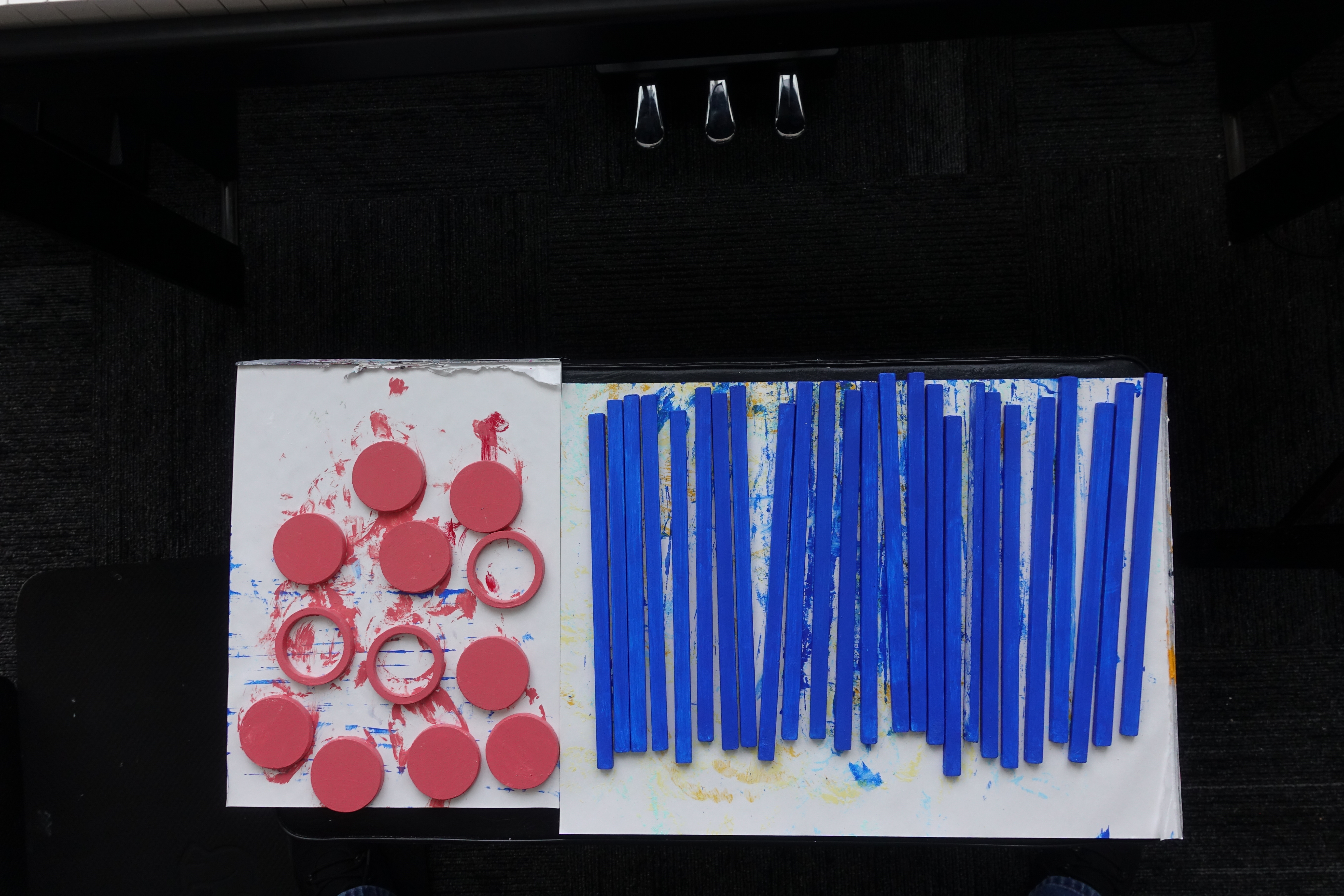
Here all the musical notes and their stems.
Nov. 30th

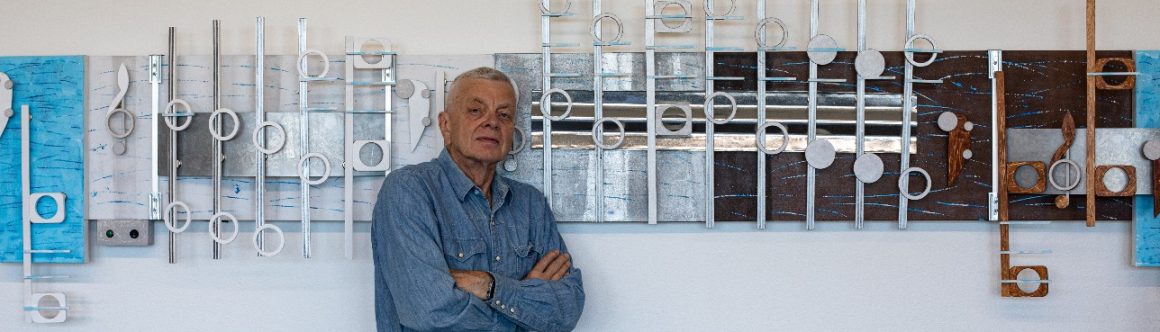
I have spent much of my time working with Mr. Brightside on a New Color Wheel that combines the colors of Art with the Intervals of Music. And we have had to change course of number of times, and have lost valuable time doing so. But, as everyone says, “but,” we are back on the path and this tool is going to prove what I have always thought since early 2006 Art can be Music, and Music can be Art


Scott Von Holzen
*c & c music factory
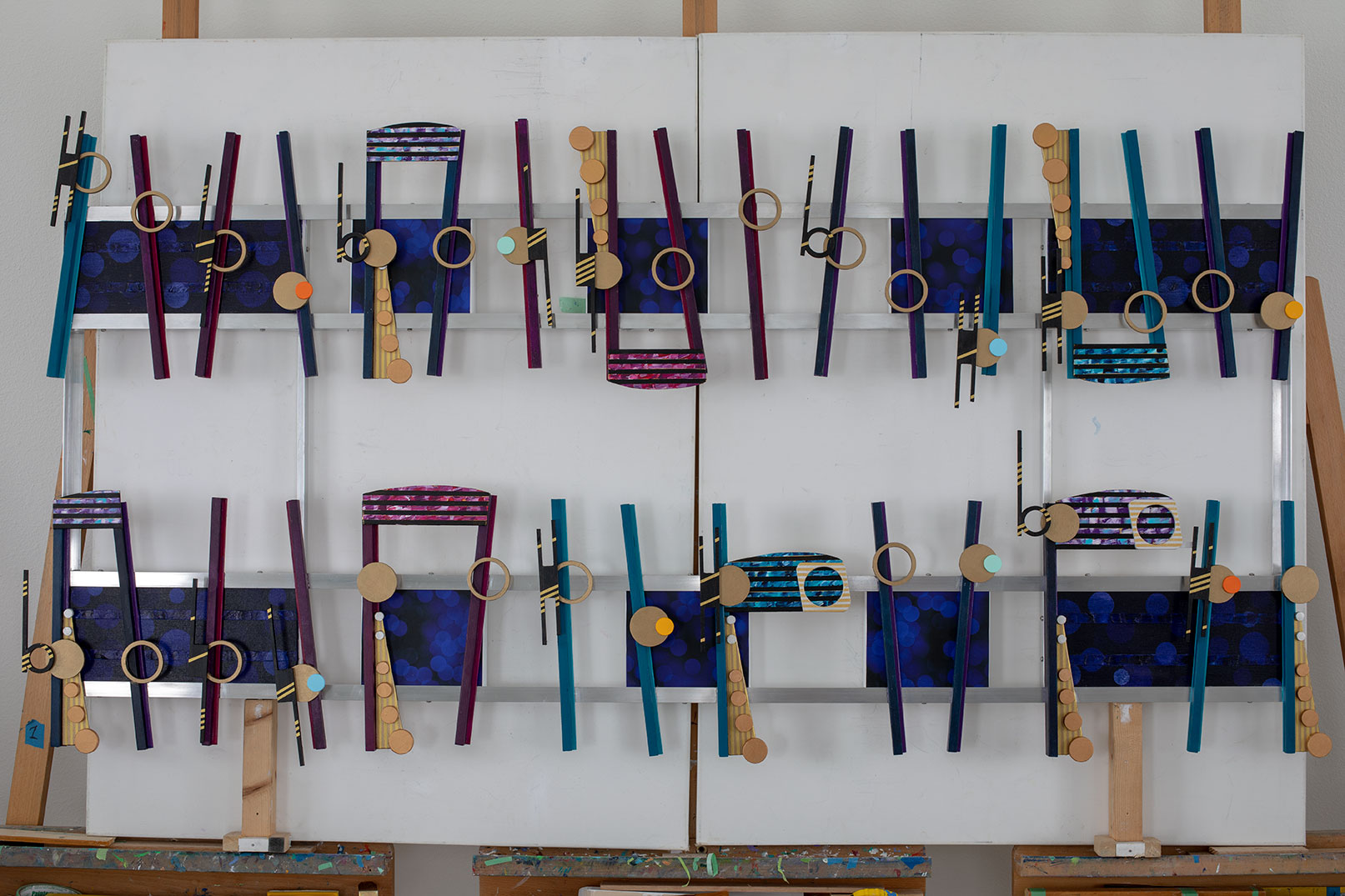
S_V_H Giant Steps Fourth Image

63.25″ in length by 30″ high

This artwork needs to be signed and dated to be finished.  I am waiting because I am working on possibly adding music.  For this blog entry I have darken the image to improve the shadows created by the painting.  The shadows are not as pronounced as I would like, and the artwork needs to be brighter, but for this discussion this is what I have.

I cannot underestimate three important Artistic techniques (I hate thinking of art in terms of techniques) that make this work special.   The first technique comes from an Artist Friend, Jeff Nelson, who commented on the interesting look of the emptiness in my artworks. For some reason I never thought that the open spaces between the music was that great, until he mentioned it.  In fact my works from 2018 show me bringing the music closer together, especially in the artwork Africa.  That should have also happened with Giant Steps.  It did not.

As explained in an earlier blog entry, the second change comes from moving from a straight up and down, rise and fall look (Africa),  to a more angled, swing to the left, than swing to the right look (So What).  I believe I over calculated the effects of all those different angles.  Since the frames where already built, to reach the ends,  I ended up with larger spacing between the music.   More openness allowed the shadows from the music to extend further, the third technique, the shadows. Those shadows seemed to come alive with motion because of the effect created by the back-en-forth angles of the music, and the wider spacing that allowed them to fade out.

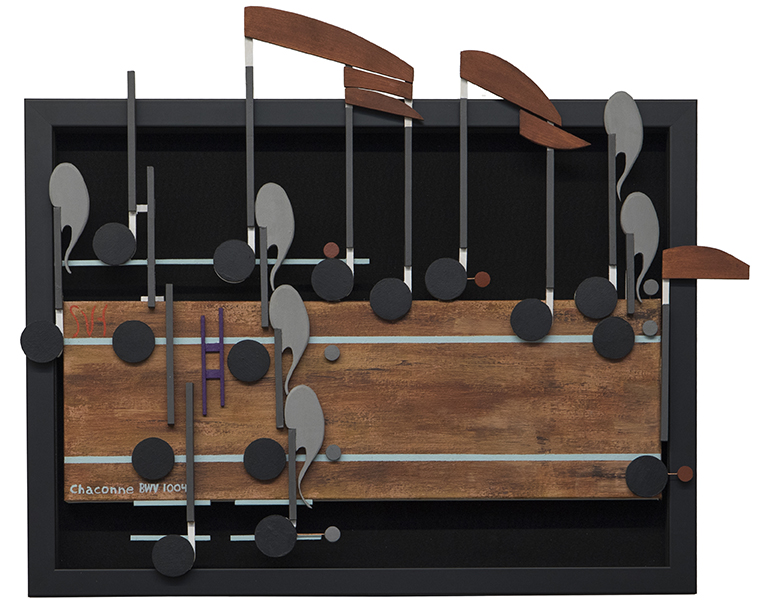
I first became aware of the effects of shadows in 2017 with the Bach artwork, that followed So What.  I took that artwork to an Art and Framing shop in town, for a frame, thinking that framing the Bach might make my art more acceptable to interested buyers. I now have found out that framing does not help.  The owner did not have the frame I wanted, but he took an interest in the Bach work.  He found an empty wall and hung the Bach to take a picture.  That is when he mentioned the shadows on the wall created by the Bach music.  It was that moment I understood the value of those shadows.  I do not have a copy of that picture, but here is a picture of that Bach work now framed, without the shadows.  It is in a nice custom frame, and will remain framed for now.  Even out of the frame the shadows on the Bach would not  have the same effect as they do with Giant Steps.  The Bach music is straight up and down.  It is the different angles of the music on Giant Steps, and the use of even smaller canvases than So What, that allowed more of the music to be outside the frame.

This is an exciting project that is going to open other big doors to new ideas and techniques yet to come.  So it goes.

Scott Von Holzen

S_V_H Giant Steps image 3

Well this image looks like an actual artwork in the making, now that I have connected the two sections.  Of interest, Barbara says that this artwork looks better in person than in a picture.  That difference may be its physical size (2 feet by 5 feet) and the limitations of a two-dimensional image of a three-dimensional object.  She also mentioned that she like the back-en-forth movement of the artwork, compare to the straight up-and-down of Africa, that sits next to Giant Steps.  I certainly agree with her.

I wonder why I did not see the break through tilting used in So What (blog header image) completed in 2017.  It could be  that I did not think the techniques used in So What would transfer to other music genres (So What the creative music from the Jazz trumpeter, Miles Davis).  That artwork made it easier to repeat that technique easier for this other great jazz masterpiece,  Giant Steps.

That limited thinking is now past.  I now see this new look as taking a giant step in disconnecting these paintings from sheet music, the foundation of this art’s style.  Reaching this thinking has taken a long time because of my connection with and understanding a music.  Though, I never  wanted to paint sheet music,  I did want to paint the uniqueness of the music in the flow.   That is where the sheet music showed me the way in 2006.  Now, no matter the genre of my next artwork there will be no turning back.  This tilt-this-way-and-that-way look, improves the music connection with the improve look of spontaneity and motion in the artwork. Overall,  I believe that this is a better look than the stiff, sheet music appearance of last years masterpieces.  I say that Barbara is right.

This artwork is far from done.  I plan on adding a number of small canvases as backdrops for the music.  This came about because of this artworks more relax design and the resulting spacing that did not take into account all the tilting.  What happen is that I ended up with a lot more space, between the music (Not such a bad thing I discovered). The plan for the extra canvases is that they will give the artwork more of a physical look,  while adding background interest.  I actually did the opposite with the spacing between the two sections.

In the past I would have brought the two sections closer together to close the emptiness between, or like with Africa adding a background canvas between the sections.  For this artwork I went the other way by leaving the middle space empty.  I actually increased the distance between sections, a few inches.  What I discovered was the drama created by the emptiness and the power of the shadows.  The shadowing created by the emptiness and the depth of the artwork,  greatly enhances the look of motion.  I have a new quest to figure out how to increase the shadowing.  Wow, that is interesting direction I never thought I would be going.

Scott Von Holzen