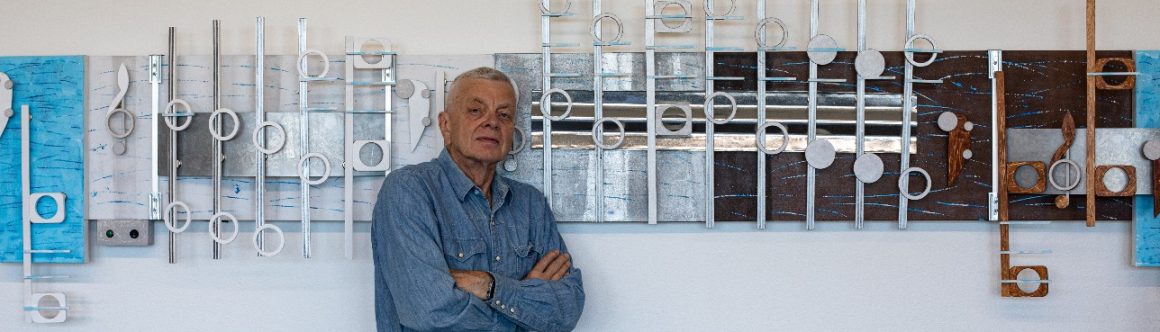
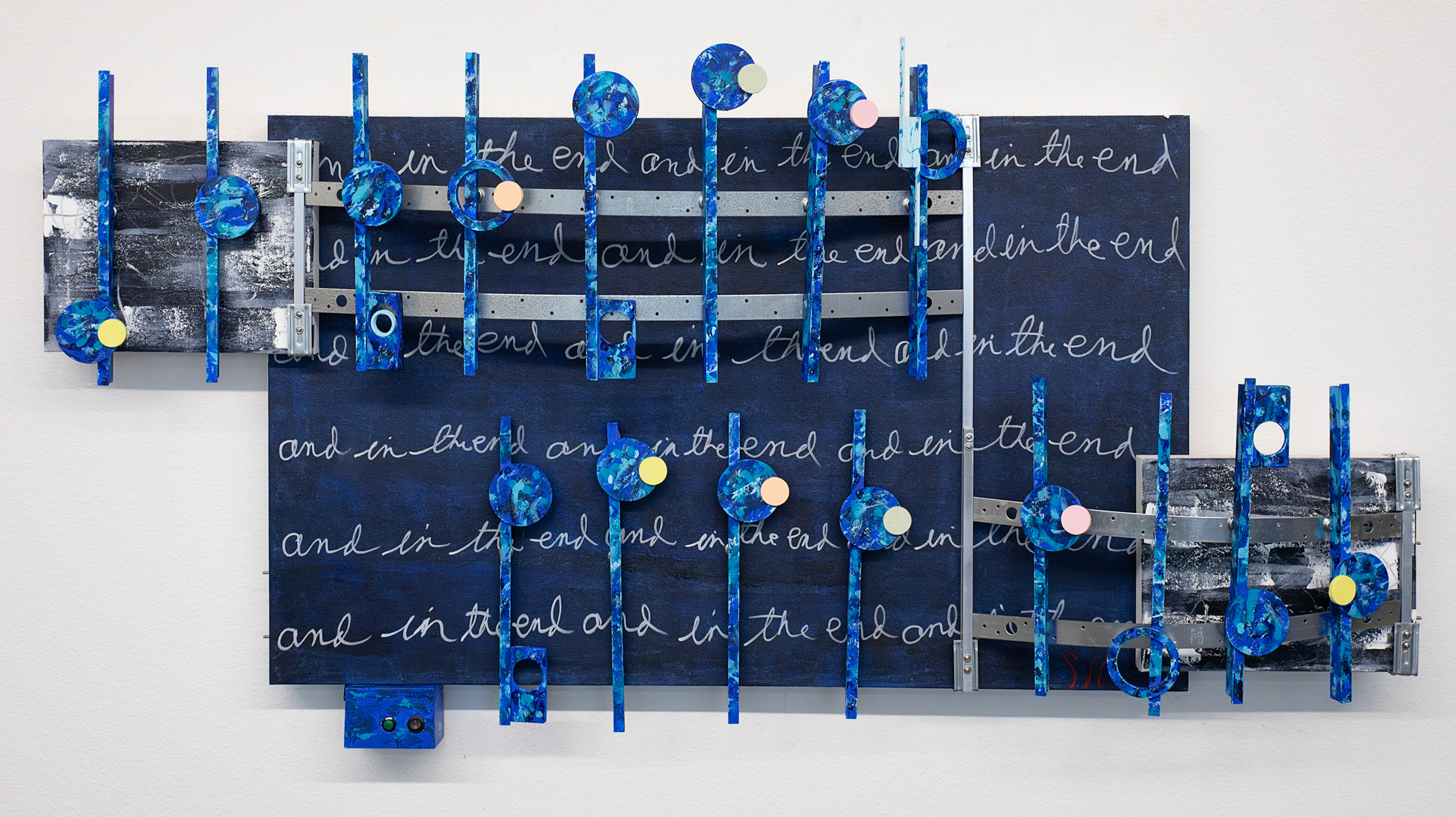
S_V_H The Beatles Triptych

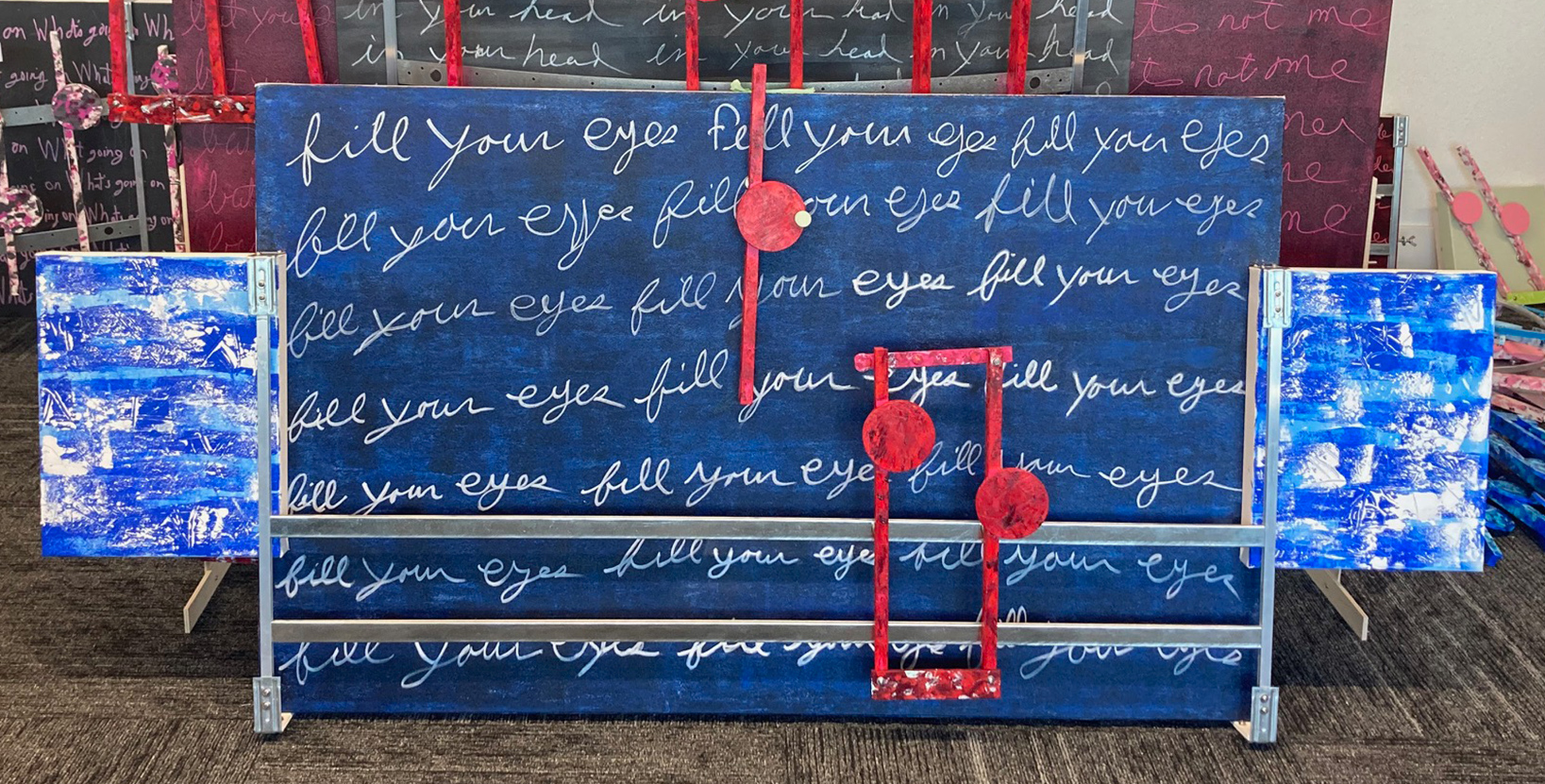
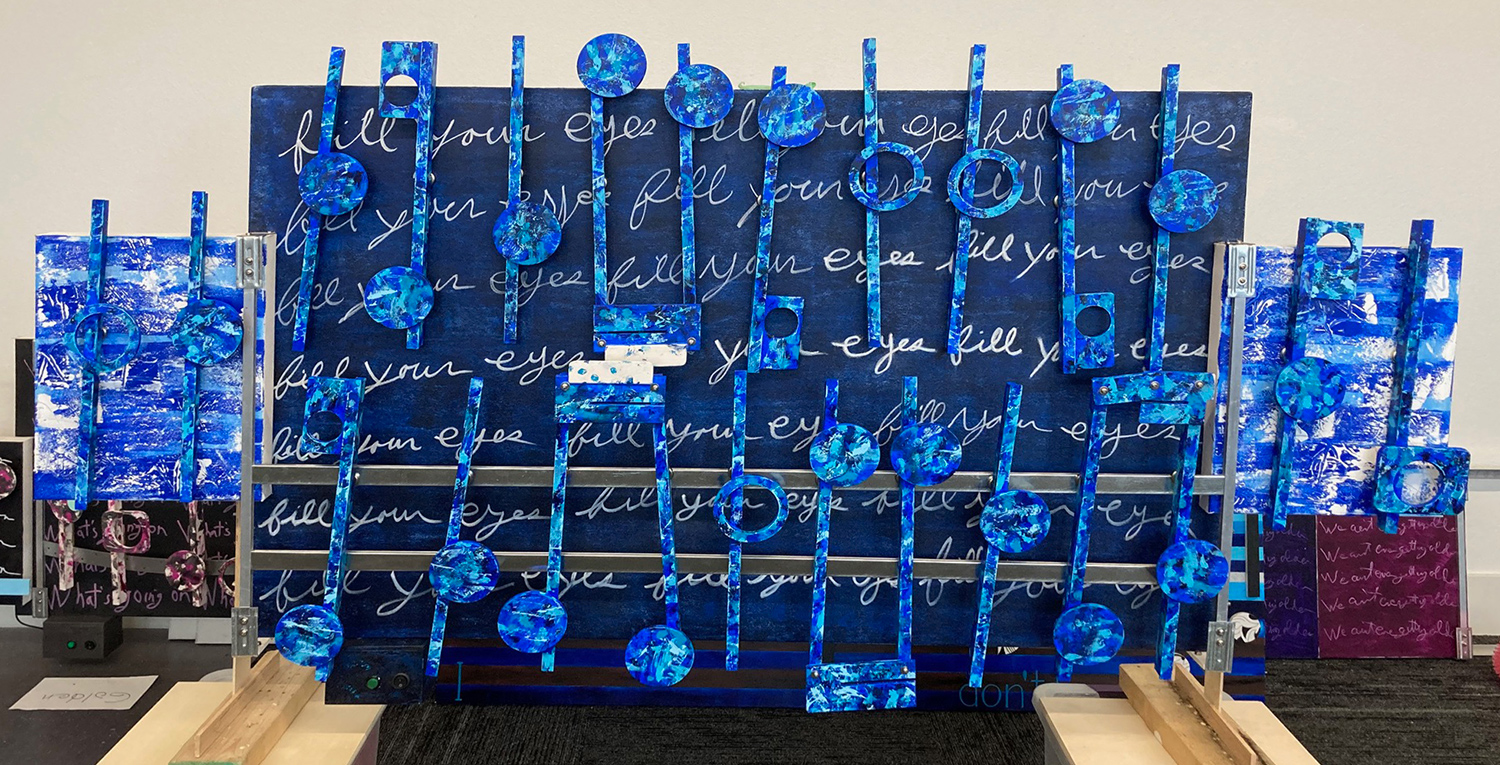
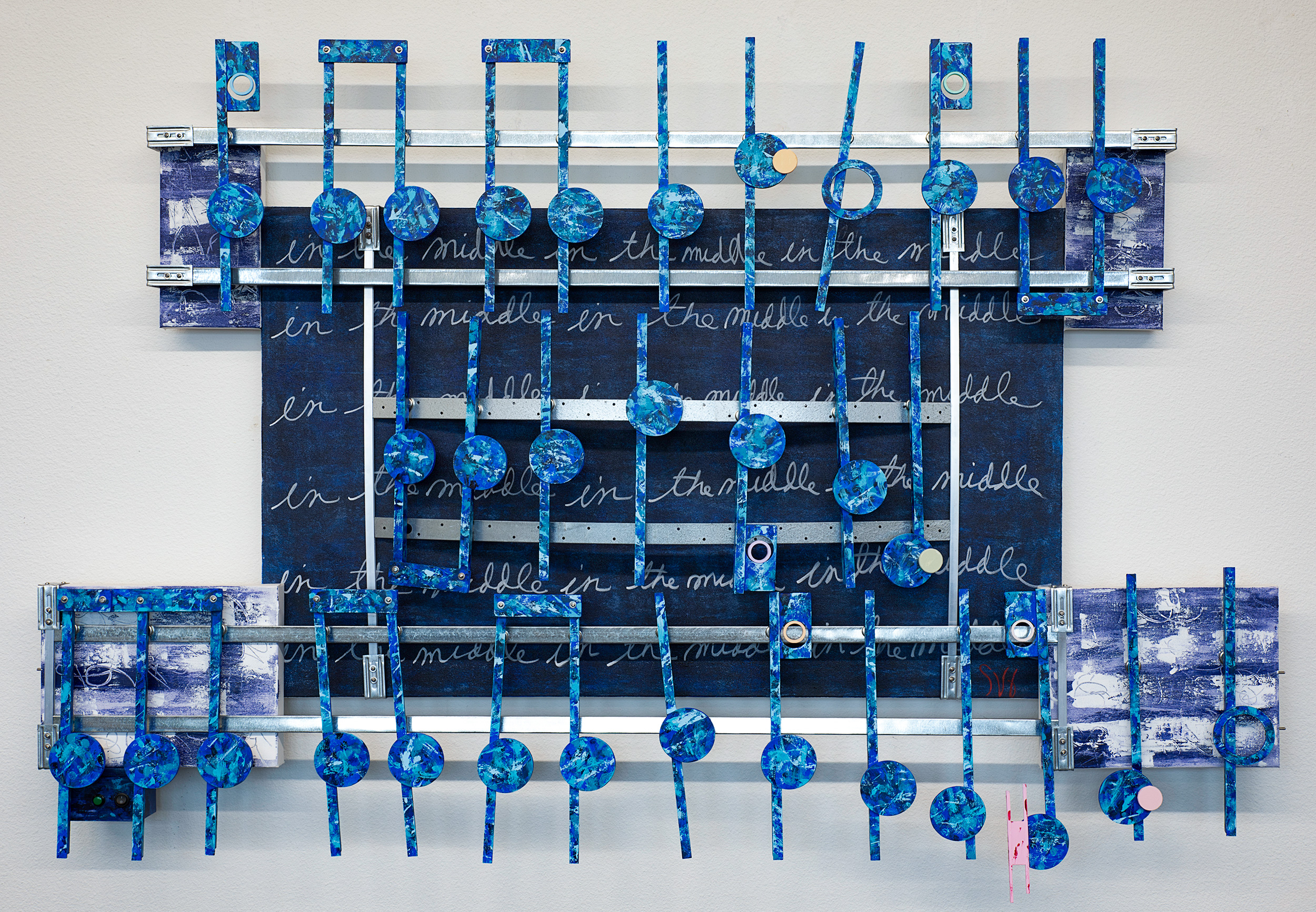
Golden Slumbers ≈L68.5″xH35″xW6.5
Golden Slumbers music box
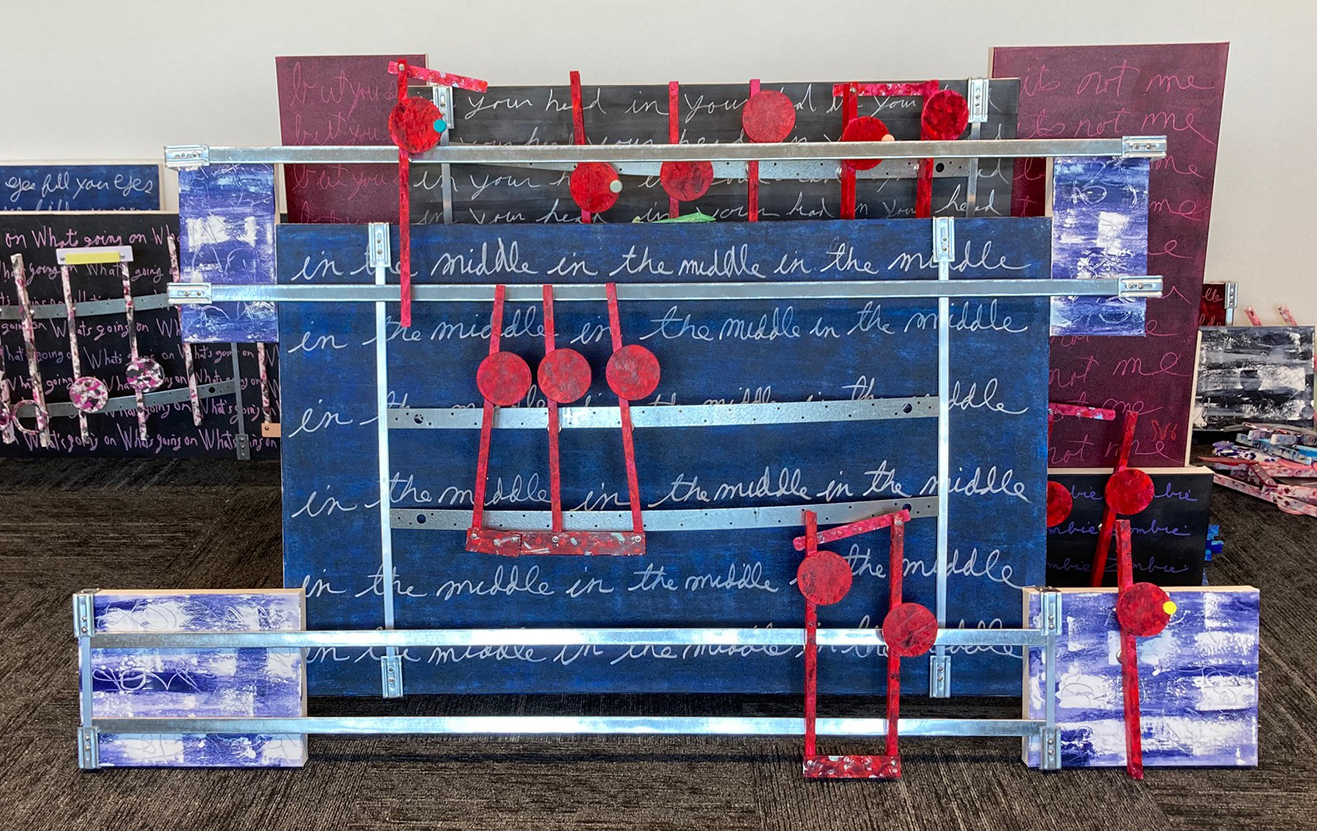
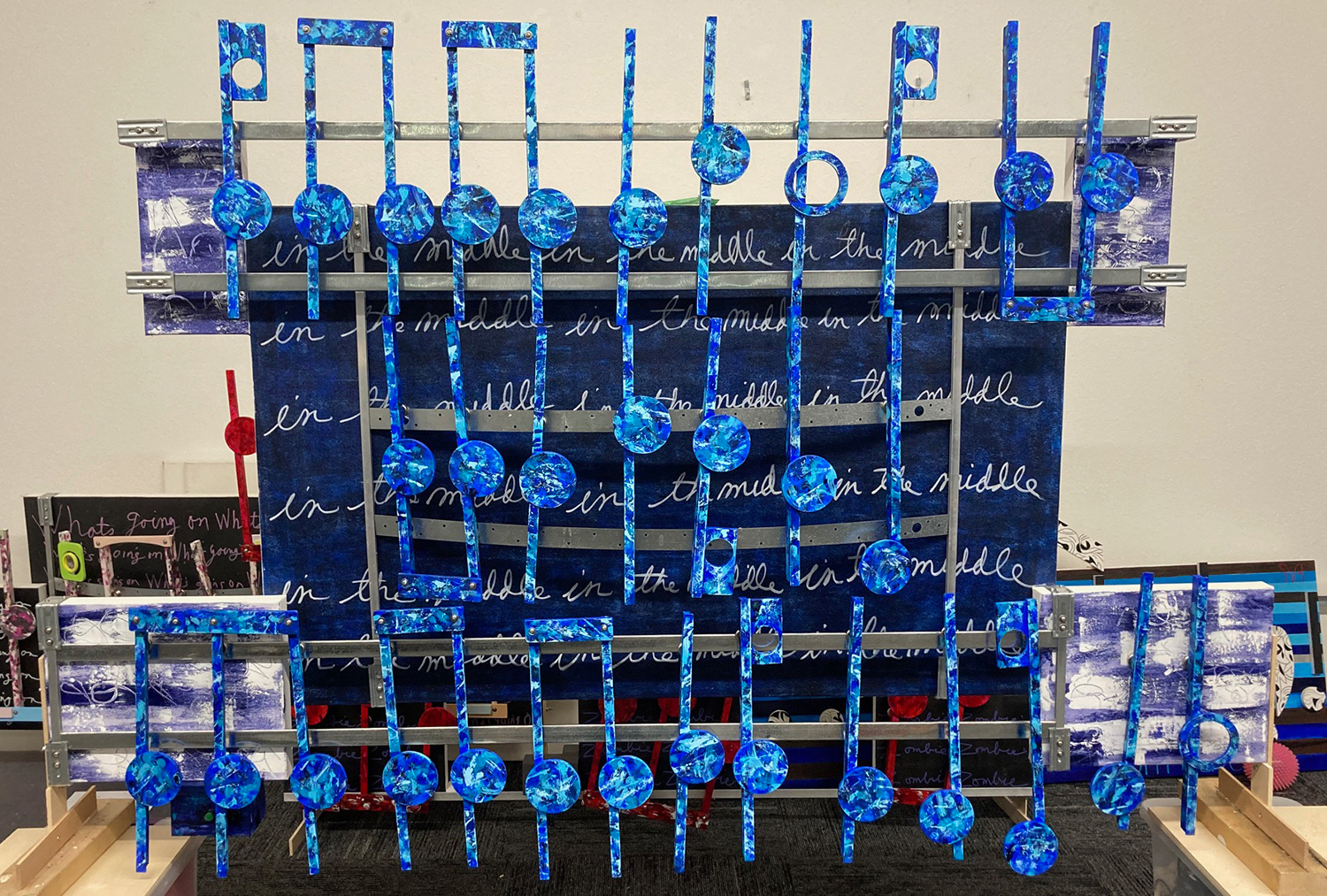
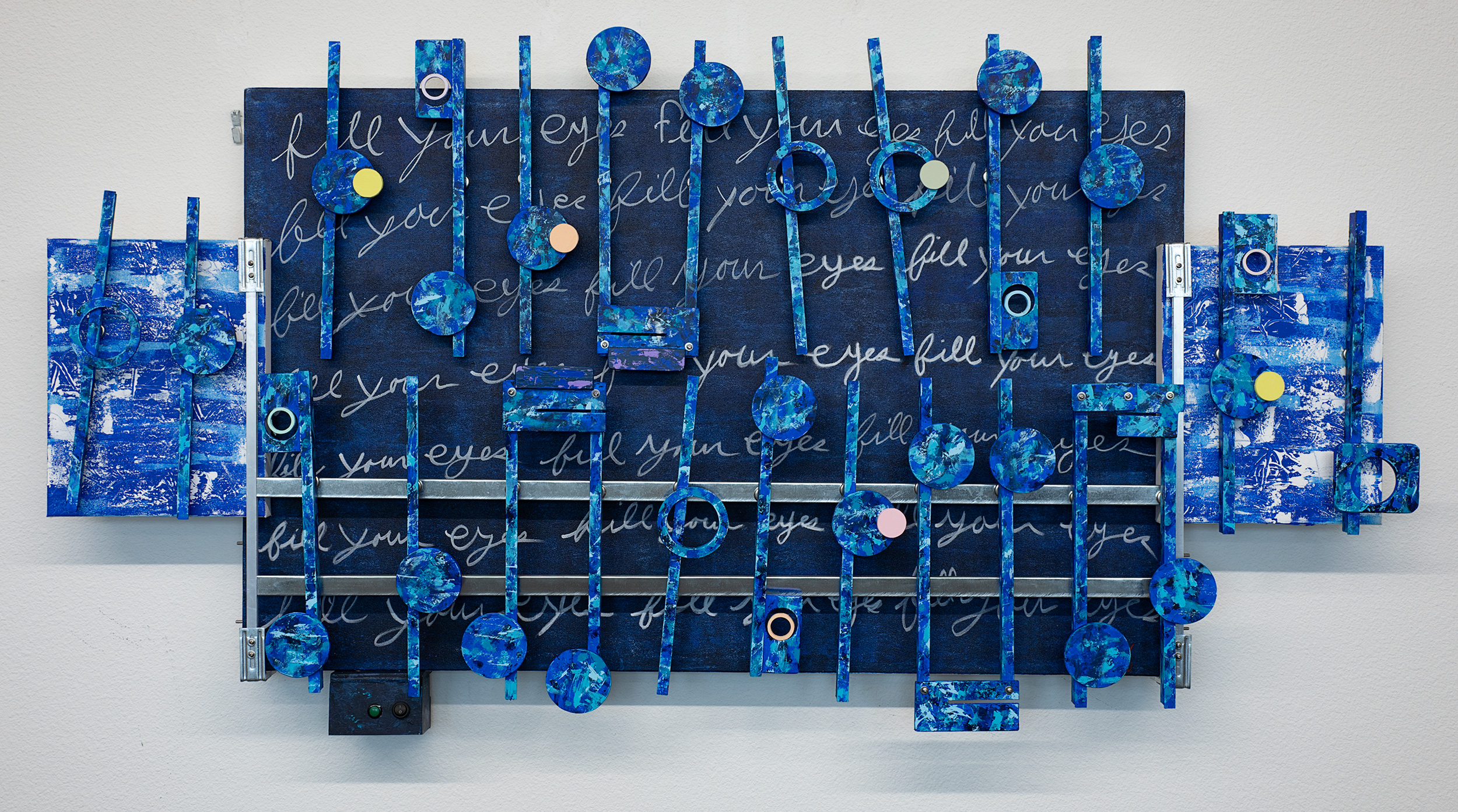
Carry That Weight ≈L73.5″xH51″xD7″
Carry that Weight the music box
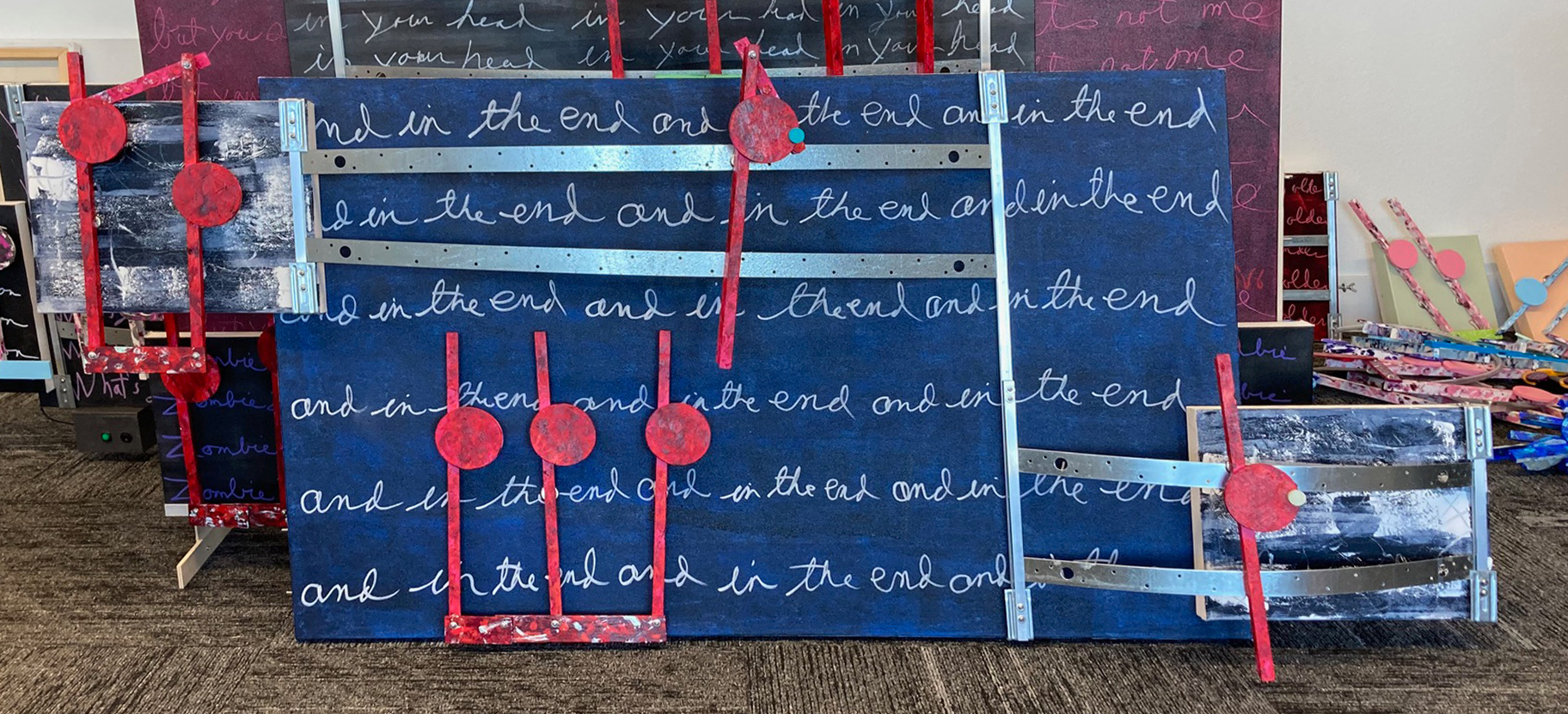
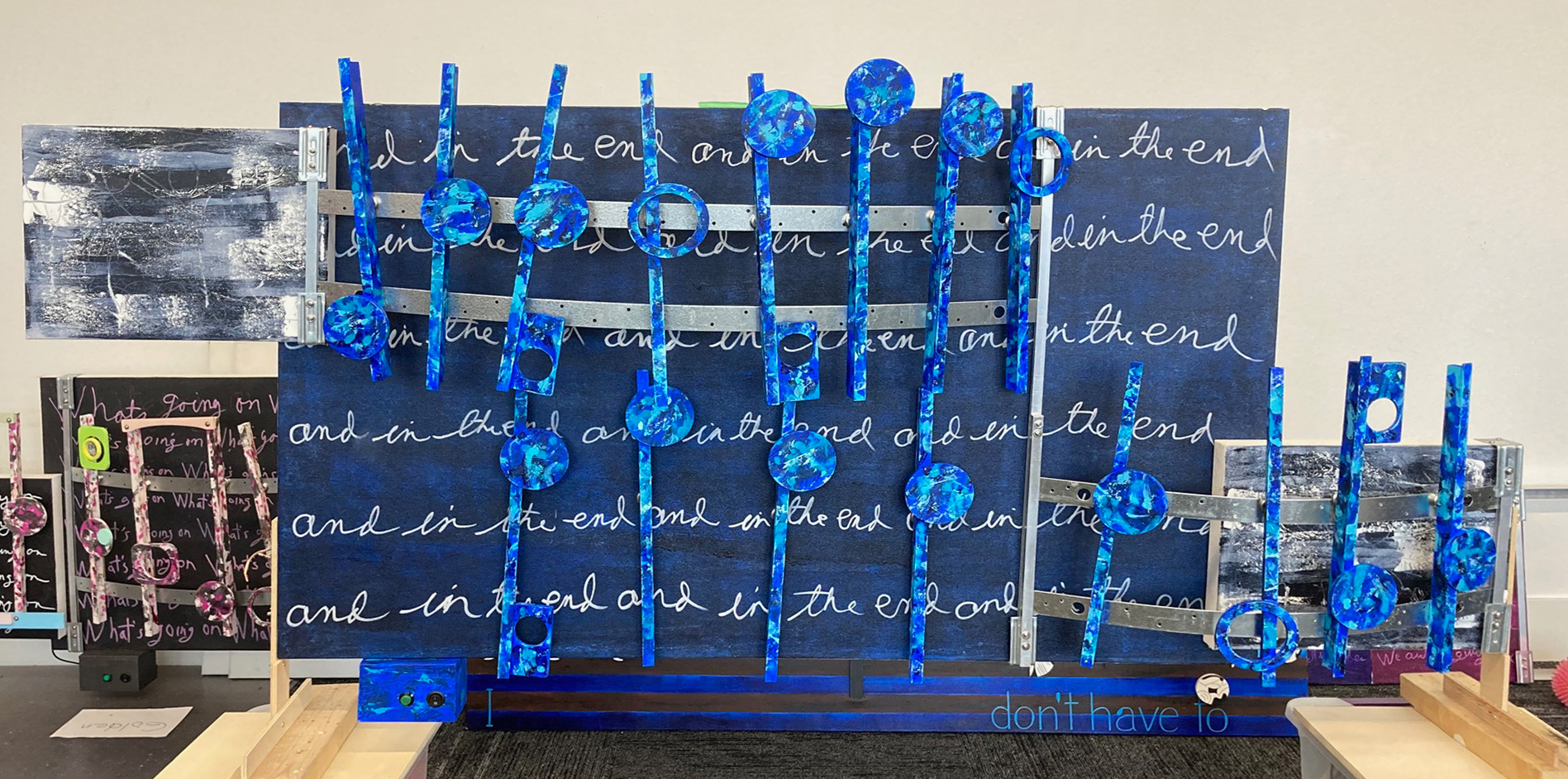
The End ≈L70.5″xH36″xW9.5″
The End the music box

I signed Golden Slumbers on December 15th and the others on the 17th. The surprise is that I started and completed all three works in a month’s time. This entire process came into focus when I had in stock three 36 x 48 inch background canvases. The close musical relationship also helped. I could then use the same overall style and color plan tweaked for each artwork. By following the same designs of the previous 2023 artworks, I saved considerable time and effort. This then allowed me to build all three artworks together through each stage of production. The last motivation to complete these three works as quickly as possible was the drop off date of early January. Even though I completed all the preparations for this triptych for the upcoming exhibition, I have a surprise.

The curator, Christy from our group EmptyWallsArt, for the upcoming exhibition has limited wall space for eleven 3D artists that will be showing. Eight of the artists, including one new member, are from our group, EmptyWallsArt. The host then required the addition of invited artists. This was a hard search in this area for me and, Christy who signed up three guests artists for the show.

Christy also informed me she wants to ensure that “all the artists have a fair amount of room since the exhibition wall space was limited.” Right away after reading that, I knew my Beatles triptych would not fit: I requested wall space of a bare minimum of twenty-four feet. I then offered alternatives directing her to my portfolio on the EmptyWalls website. I did not want to break apart the Beatles triptych. Between us we chose three other artworks.

The JS Bach work chosen I understood because of its narrow width. The other two where each about the same size as the Beatles works, but they added variety in color matching well with the Bach piece. I did update the Bach the stereo system from a 2 watt to match the systems in the other artworks. But, again to my surprise the plan changed.
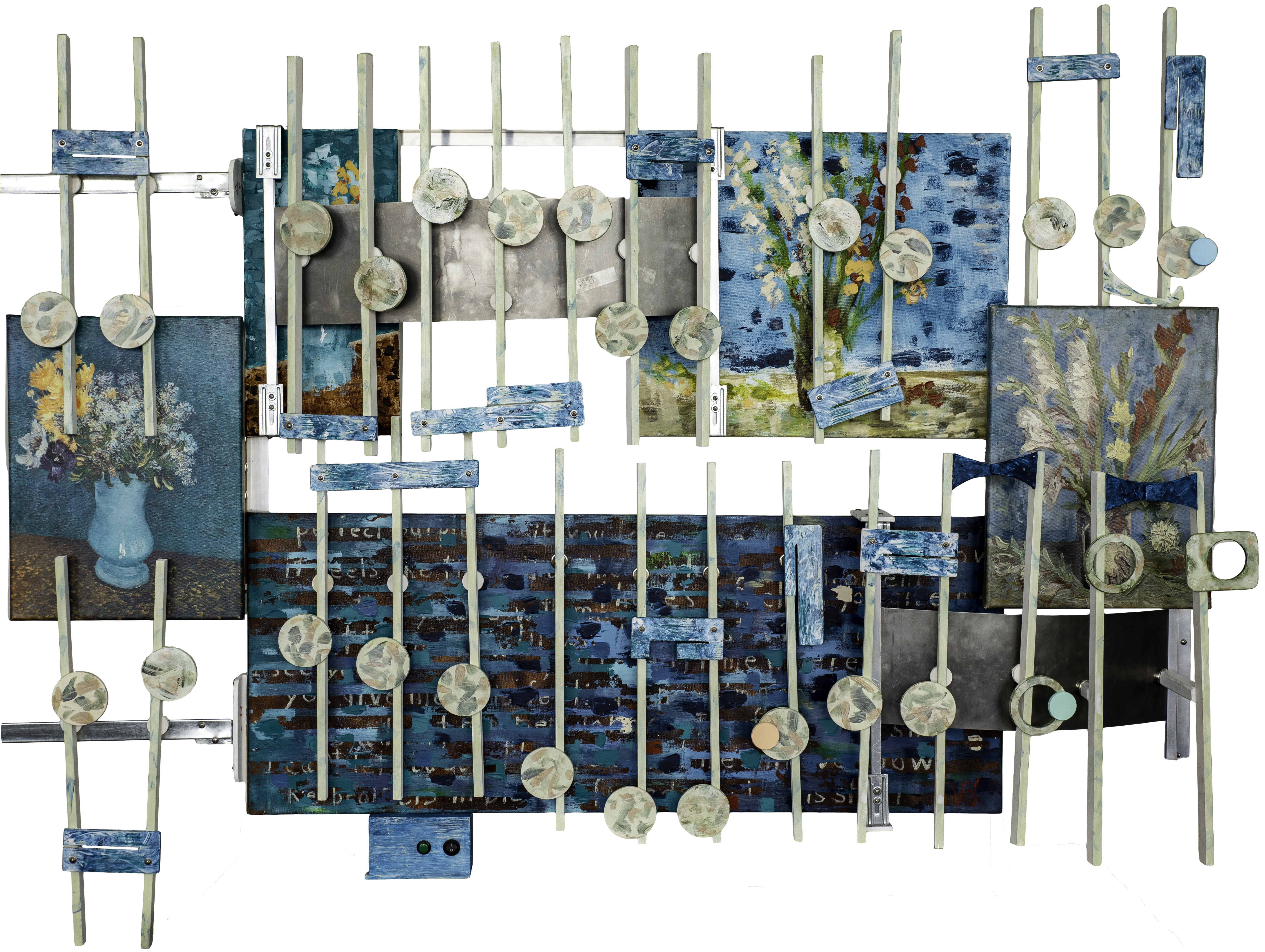
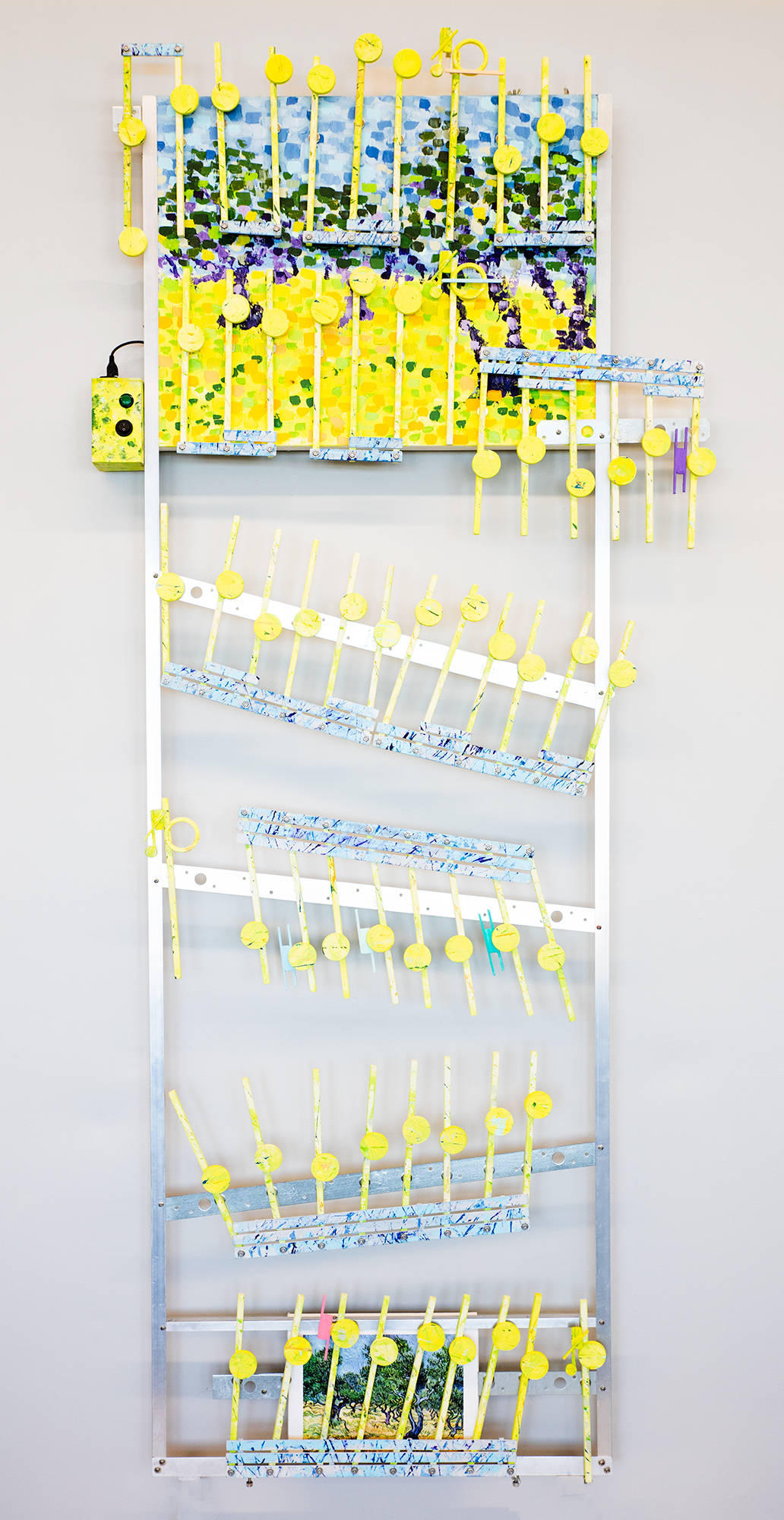
Everglow 2023, L64″
JS Bach BWV 974 Adagio 2023, L30″
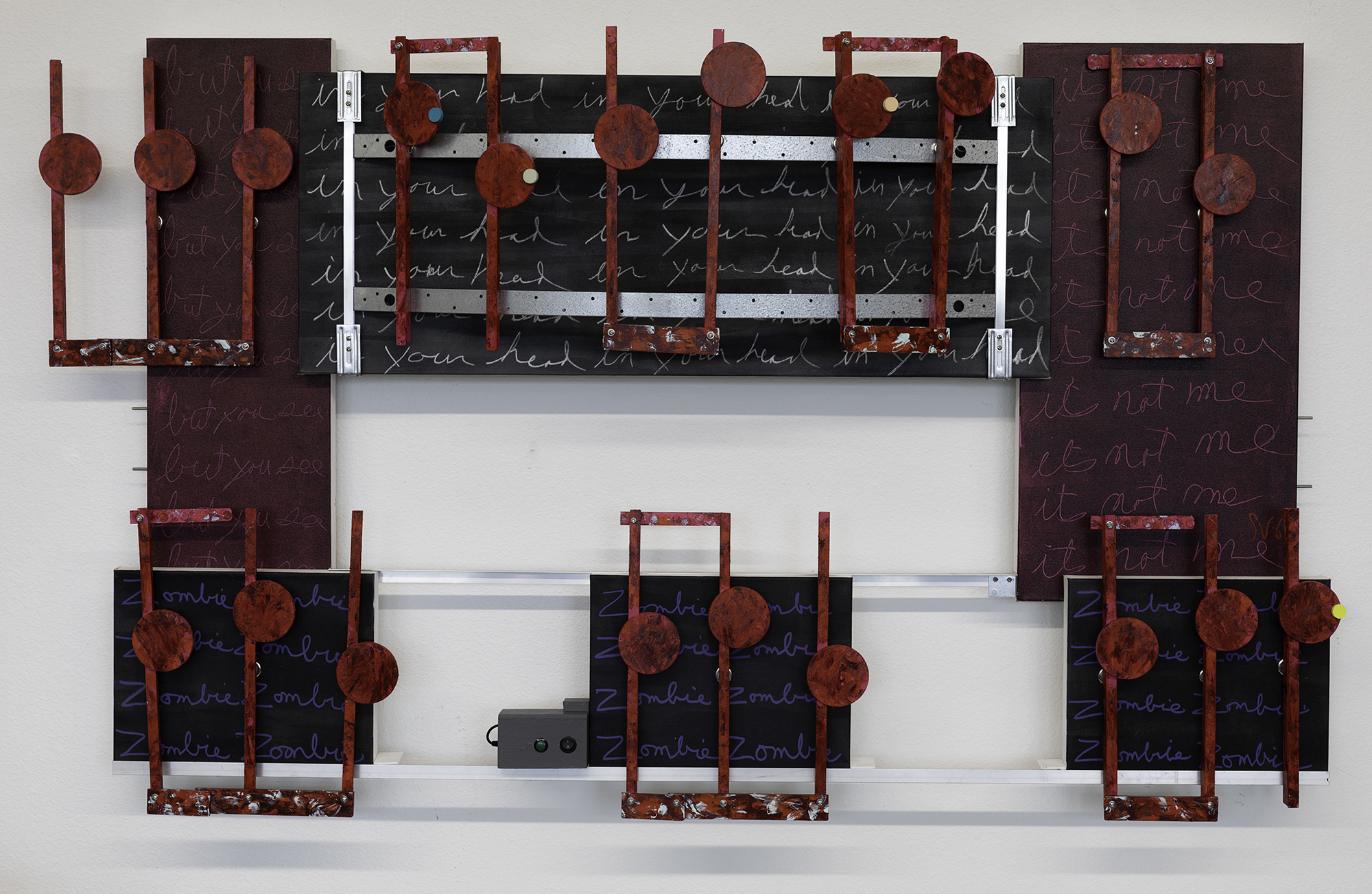
Zombie 2023, L69″

This happened when I emailed Christy and told her the reason I created The Beatles Triptych was to show them in the upcoming exhibition. I then suggested another option that I was good with. I would show only two works: the center piece of the Triptych, Carry that weight, and Zombie. Finally, I would display two small photos of the other two Beatles artwork, one on each side of Carry. Well, Christy responded she did not want any photographs of artworks. She then asked for the dimension of the Triptych and Zombie. Her response after receiving the information was she would find the space to display the three Beatles works together. She also added Zombie, but that work would be displayed in a different location in the gallery. At most I wanted the Triptych, but Christy went out of the way in found space for a four. I thanked her.

Scott Von Holzen
Scott Von Holzen
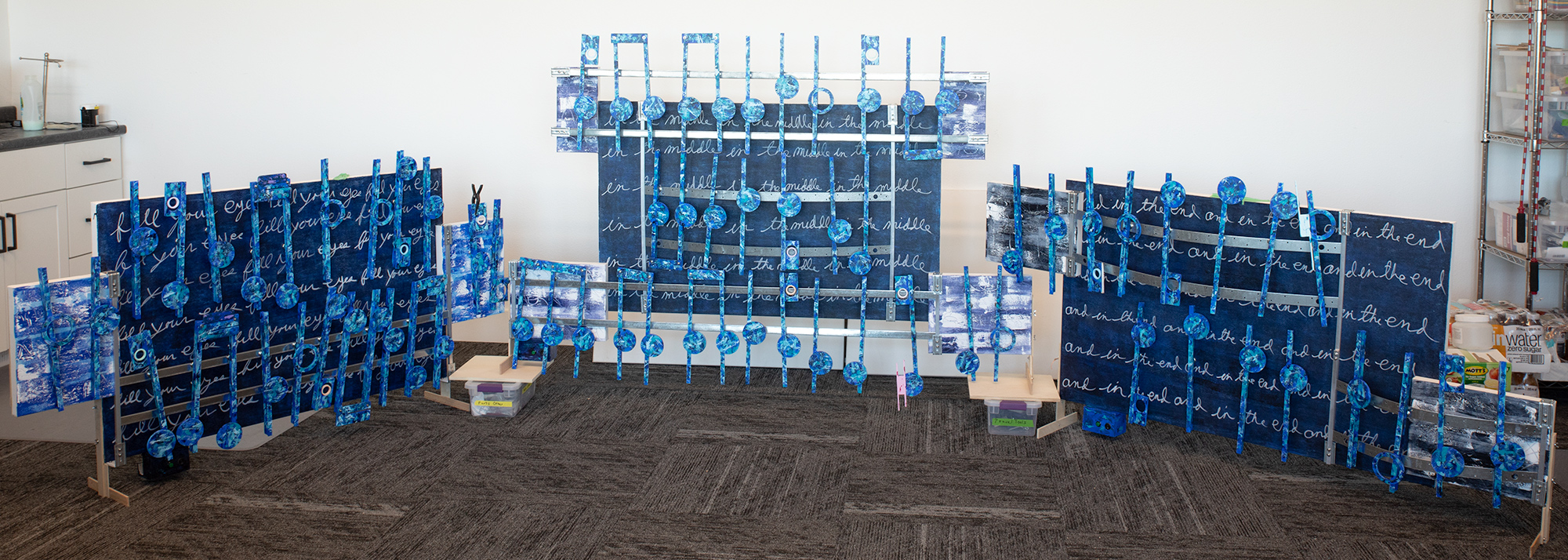
S_V_H The Beatles Triptych 4 image

All three triptych artworks waiting for the music to be installed before being signed and dated.

After completing the three artworks for this triptych I have spent the last few days assembling the cover music for the music box for each artwork. Each draft-length audio file turns out to be under one minute and fifteen seconds. I now think that this cover length will be my new audio limit. Previously, it was one minute thirty. That was the length of my patience and attention. Obviously, I am concerned with keeping viewers’ attention.

From 2006 on for many years, there was no audio option for any of my musical artworks. It wasn’t until I researched inexpensive sound systems that I found options and began experimenting with incorporating sound into projects. The first major artwork that I added sound to was The Turkish March in June 2018. I do not see any comments in that blog post about adding sound, which surprises me. I am guessing my general take on adding audio would have been to give the viewer a better understanding and a stronger connection with the artwork. No matter the why of adding audio, that artwork began my relational debate between the visual and the performance value of an artwork. That debate ended when I decided that my audio and visual production was of equal value. I believed I was creating two separate artworks: one that was visual, and another that was performance art. It was while working on this triptych that I changed my mind. I am returning to my original thinking that the performance art that is the audio is there as the hook to capture a minute and more of the viewer’s attention.

Ever since I started using sheet music and copyrighted material, I have felt insecure about that action. That is why, from the start of this art, I aimed to diminish the connection between what I was painting and its comparison to sheet music. I started with eliminating sheet music fundamentals: the staff, and any reference to the key, timing, or tempo. I believe that removing these references, and later eliminating other features, would make the artwork’s notation unplayable while keeping the up and down flow of the artwork’s notation.

Over time adding words from music lyrics added to the complications of copyright. Then, with the use of audio spreading from public domain music to copyright material, I realized I needed a solution to my use of what belongs to others. That is when I started purchasing cover licenses for audio by defining my artworks as music boxes. Each cover license is good for up to 25 music boxes. I only use one license for each song. To make this change official, I then simplified the description of this art genre from Interactive Constructive Sculpture to Music Box.

At this art start its fundamental foundational idea was to create a unique connection between a piece of music and an artwork. I wanted an artwork’s connection to a piece of music, to be more than just a title, colors, or style I found in previous artists’ musical compositions. Consider, one of many examples, the abstract artist Wassily Kandinsky. His art and philosophy contain many musical references with no connection to any single piece of music. The purpose and existence of this art is to take musical representation a step further by connecting the artworks’ notational up and down flow to a particular piece of music. I define this art as a portrait of a song.

The other significant change to this art was the development of a unique notation style. My current style of notation originated to fix a visual issue between a long narrow artwork and the up and down flow of the notation. I used this with the 2017 artwork, So What, but not again until the 2019 project Giant Steps. That is when I realized I had created a different type of notation. I now feel this eliminates any problems with sheet music copyright. My concerns then soon moved from the visual to the audio performance aspects of this artwork.

As for using audio I resolved this issue with the purchase of cover licenses. If there is no big money involved, I doubt anyone in the music industry would have had any major concerns about this art. In my eyes, though, it was about this art’s legitimacy and my use of other people’s art. The only contact I had over the years with the music industry where two minor word use issues on Etsy years ago. I have only a minor thought about my cover music in that to keep it music box short requires a lot of editing of the original music.

Bottom line, I am pushing ahead, following the wisdom of Alfred E. Neuman’s “What, me worry?” In some timeline this art will become well known. When it does, it will probably be up to unknown others to work out the details of its success. Until then, I see myself in my videos as the “unknown unknown artist.” This art for now is also that. Until it becomes well known, or sells at a level that becomes known to the public, I am going along for the ride. I know what helps to keep me moving ahead is another fundamental foundation of this art: it has never been about the money.

The following audio tracks are all in their draft stage. I built the audio for Golden and Carry using notation software. The audio for The End required a complicated drum track that I first attempted in the notation software but needed to move to my DAW (Digital Audio Workstation) software. StudioOne is where I finish my audio. It offers a wide range of production options and includes the add on software EZ drummer.

Golden Slumbers
Carry That Weight
The End

Scott Von Holzen

S_V_H The Beatles Triptych image 4

Above is an earlier update gallery image shows the probable arrangement of the music for the three Beatles artworks. I am using the notes from the previous project, Zombie, to show the music’s placement.

Four days later this next gallery displays the finish placement of the music for each artwork’s notes.

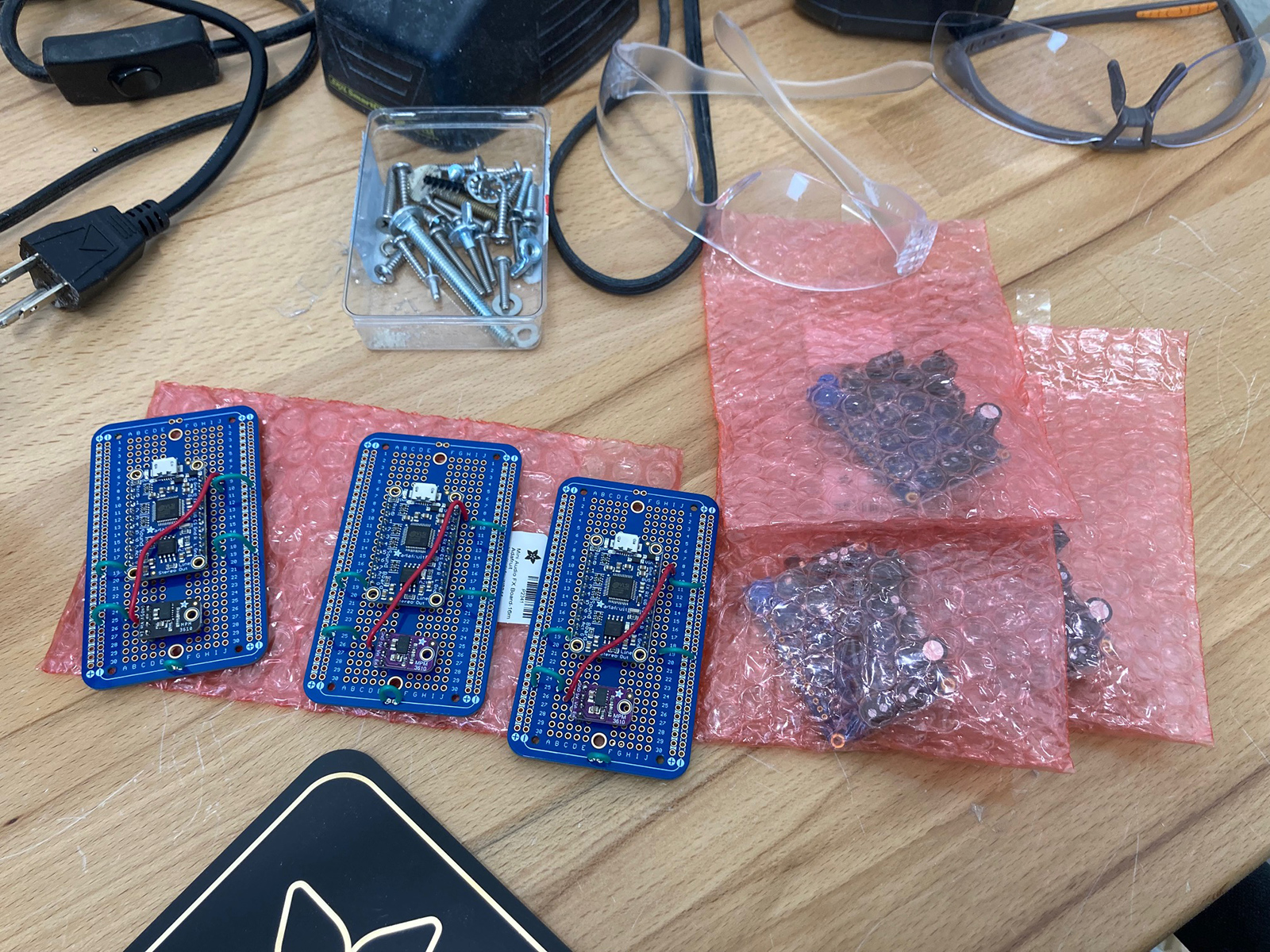
A pleasant surprise is that I am only nearing three weeks into this project. I took on the challenge of constructing three artworks, all at once, knowing my deadline was around the middle of this January. As of December 6th the visual part of this project is near done. Of course what made this possible was that each of these artworks share features and the same color chart. That saved considerable time to where yesterday I soldered together all three stereo systems.

Creating the cover music for each of these songs is the next challenge. That starts soon after I post. After installing the music box music I will not be done. I need to develop a fresh approach to marketing this work. My reasoning is that I have never recalled no one ever saying to me, “I get it.” That is my fault. Even after 17 plus years of presenting this art, there has been no momentum breakthrough because I have simply failed to explain it. It is time to develop a new marketing approach to post alongside these artworks. To start, I need to present a better explanation of what this art means to me.

Most people understand what is art when it is recognizable. For example, picture a painting of a sunset across a solitude and silent pond. The still water only rippling with the passing of loons. All of which is hidden by a deep fall forest, surrounded by majestic old-growth white pines. This would be easy for me to visualize, and therefore, easy to appreciate. That would also be an example of what sells in this art area. Abstract also sells, for it is a picture of nothing. Therefore, a deep understanding is not required. But this art absolutely needs to be understood to be appreciated.

Therefore, alongside the artworks, I will hang brief details in images and words explaining how this art relates to the music it is portraying. I am not doing this thinking it will connect to the general viewer. I have never thought from this art start that would ever be possible. Instead, those images and words alongside the artworks are there for that one in the tens of thousands that has yet to view this art in person. That one individual that pauses, that hesitates to pass by. That one, that one that lives to visualize the possible. The one who silently acknowledges, “I get this.”

DECEMBER 7TH (PEARL HARBOR REMEMBRANCE DAY) supplemental update:
In this blog entry I mentioned an example of art that I could easily understand. This day I ran across an artist, who is having a current exhibition at the Overture in Madison, Wisconsin, that relates to that point.

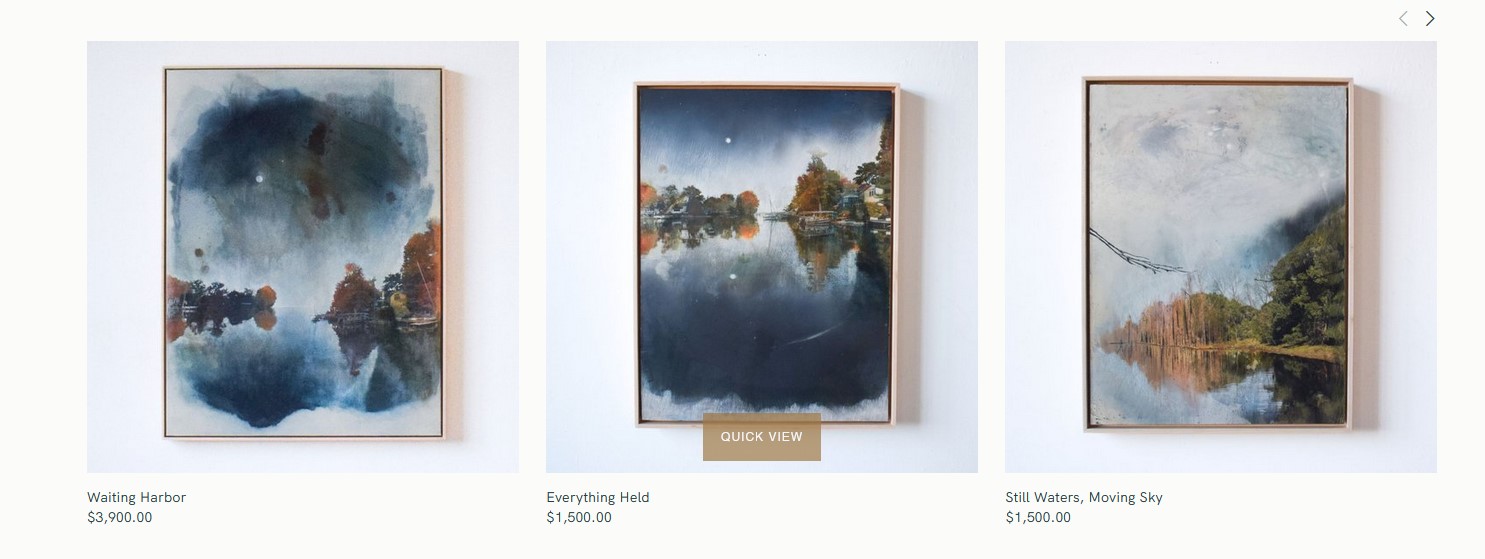
The artist’s name is Stephanie Barenz and although she is from Madison and not the Eau Claire area, I see her contemporary landscape art as a great example of art that should be easy to sell. And yet, although I admire her work, it is an undeniable derivative art made for in its moment. And there is nothing negative about that. She represents a good example of the best of what I see around me and elsewhere in contemporary art: well crafted, pretty and somewhat fresh art. She also presents what I would like to see more of and doesn’t: originality and/or uniqueness, which keeps me looking elsewhere.

Art throughout its history has been about making the sale. That changed somewhat with the blip that occurred in the early 20th century that shaped my philosophy on art. Still, today’s art remains driven by making that next sale. Art that is kinda different, but obvious in its intent, is an art that makes the money. That is reality. That is what today’s art is all about. As far as Ms. Barenz’s art is concern, again I like it, and her art deserves respect. The things at a glance I wished I would have seen are the loons and white pines, which surprised me. Hopefully, she has such images I did not see. Or otherwise maybe when she is up in Northern Wisconsin early or late in a summer day, she will have along her sketch pad.

Scott Von Holzen