S_V_H Wildfire image 2

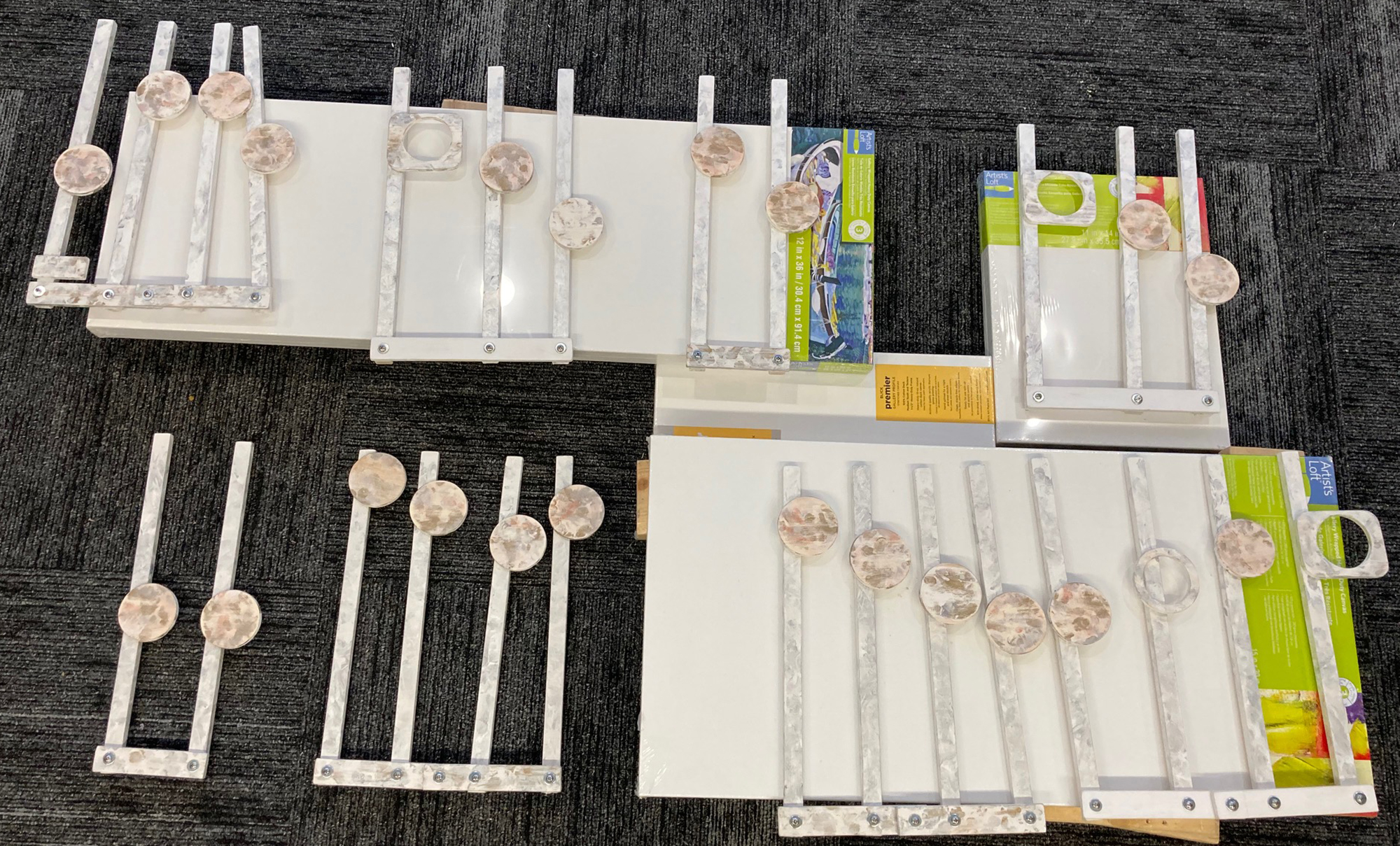
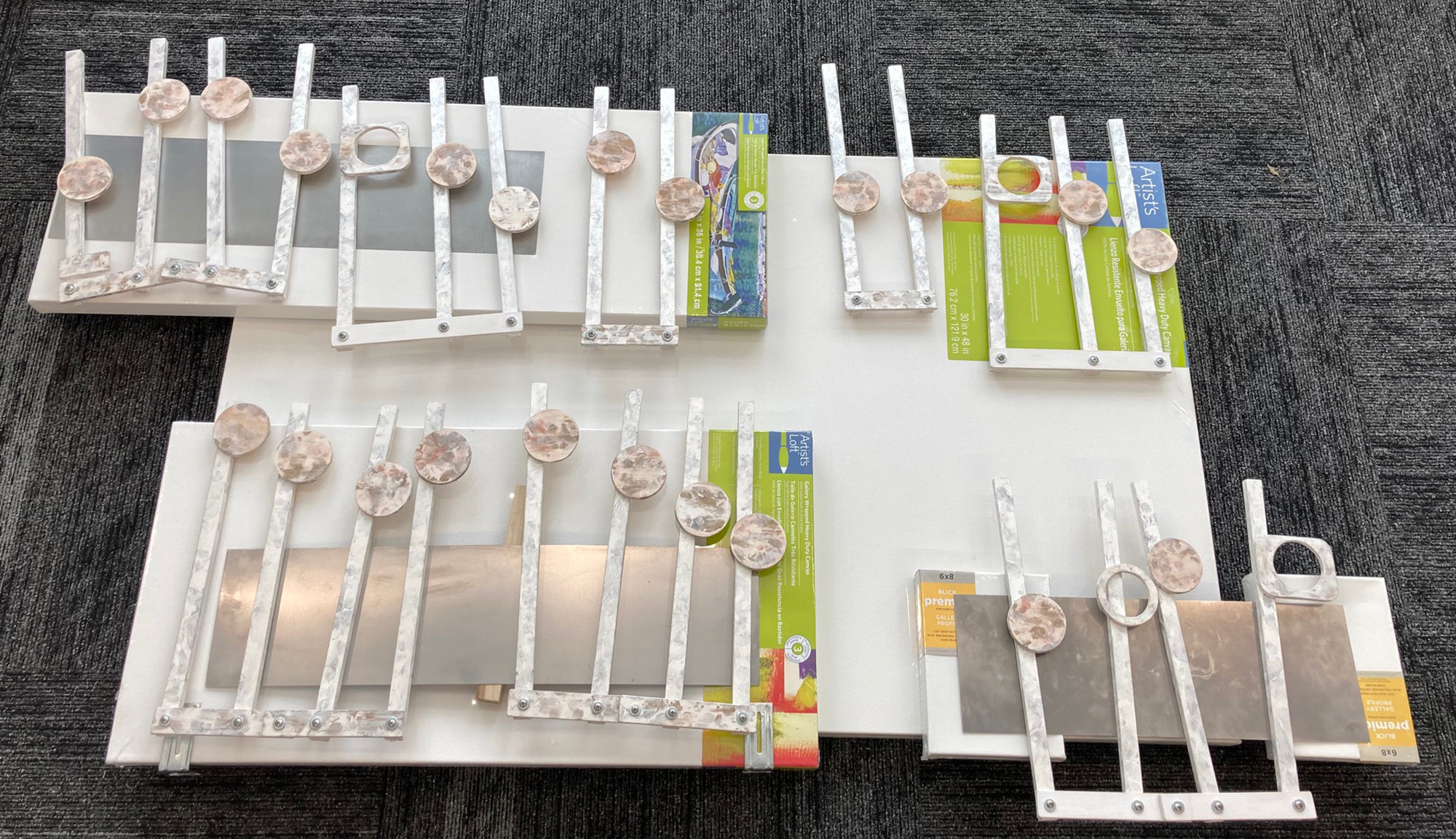
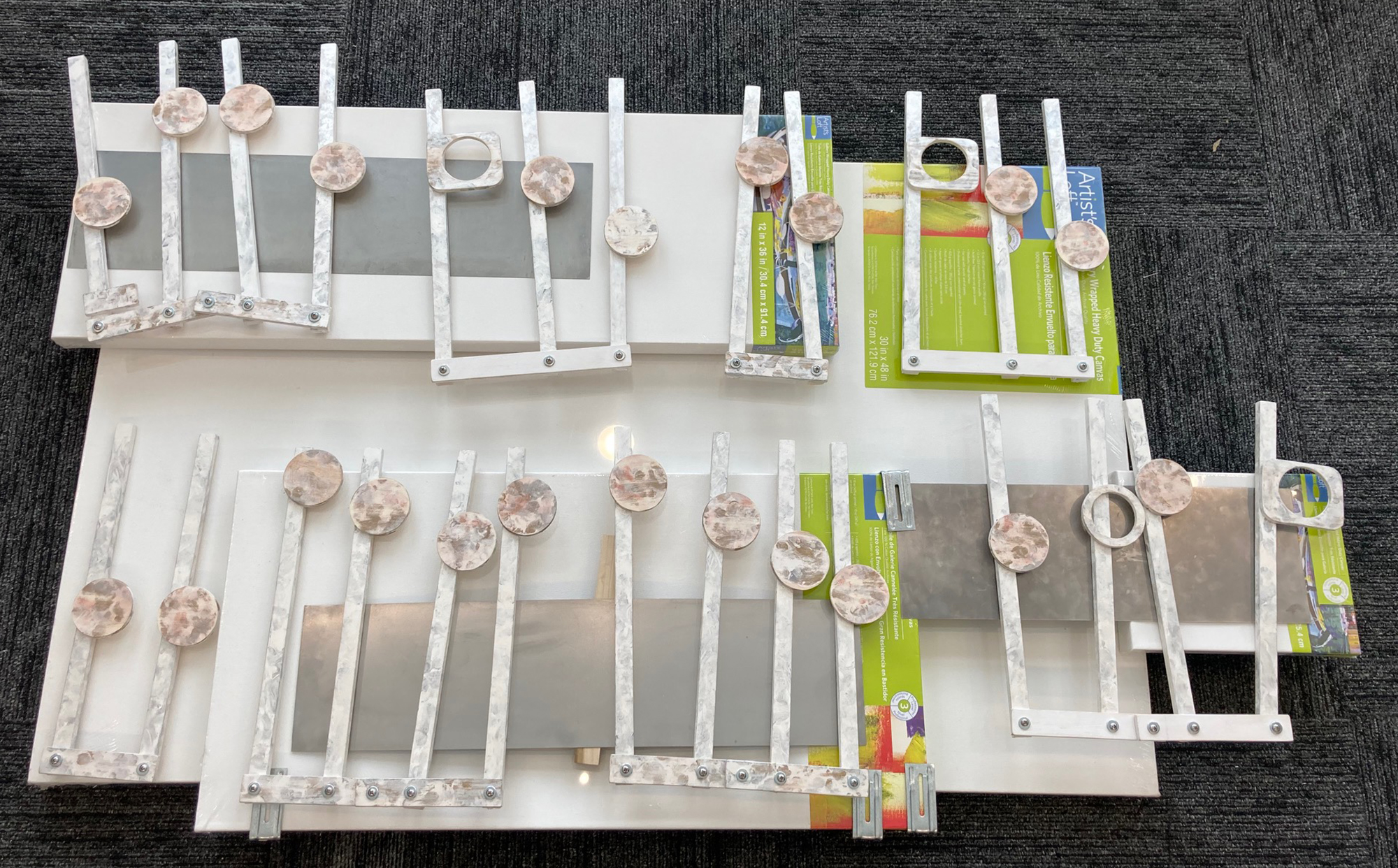
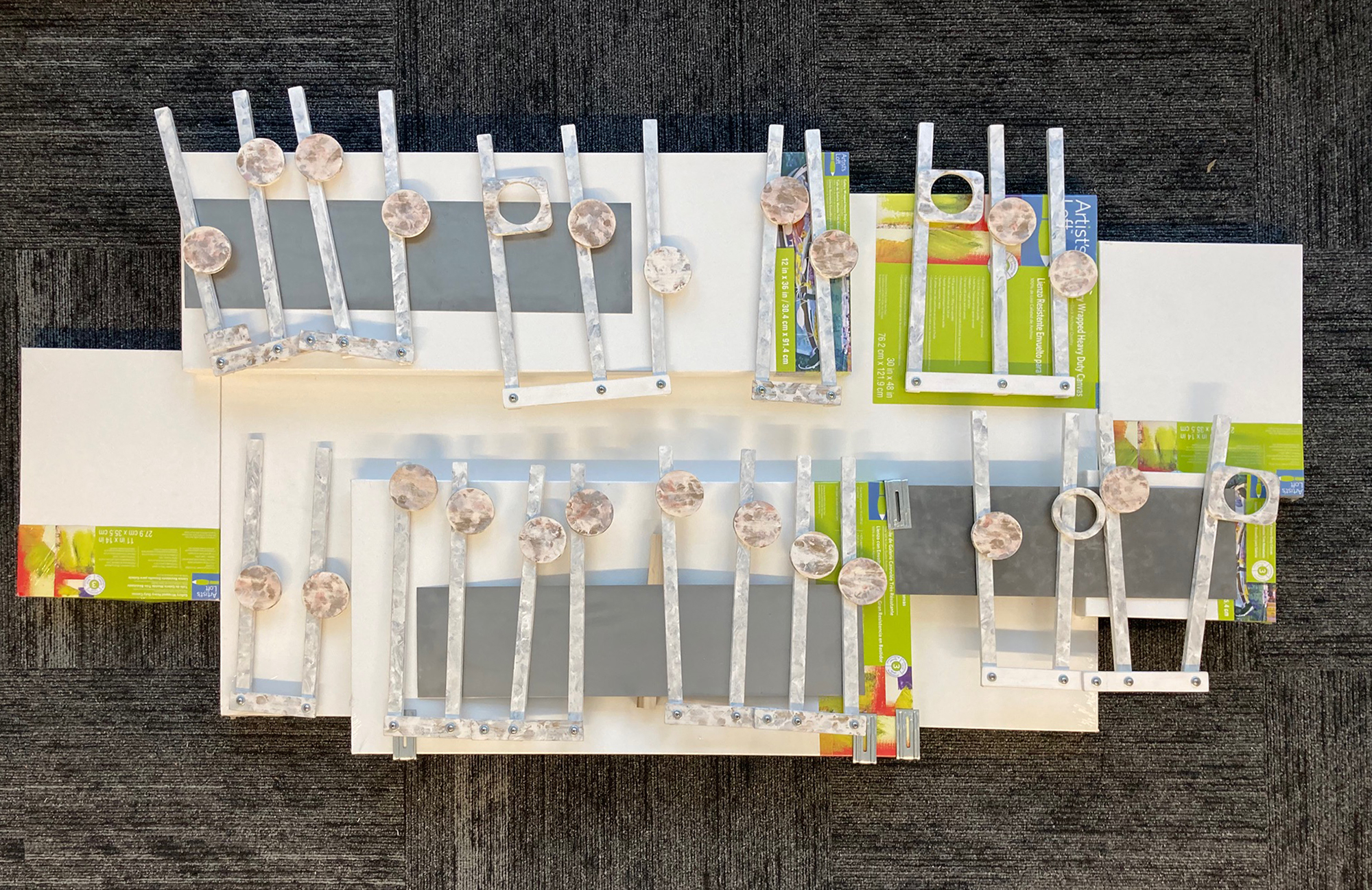
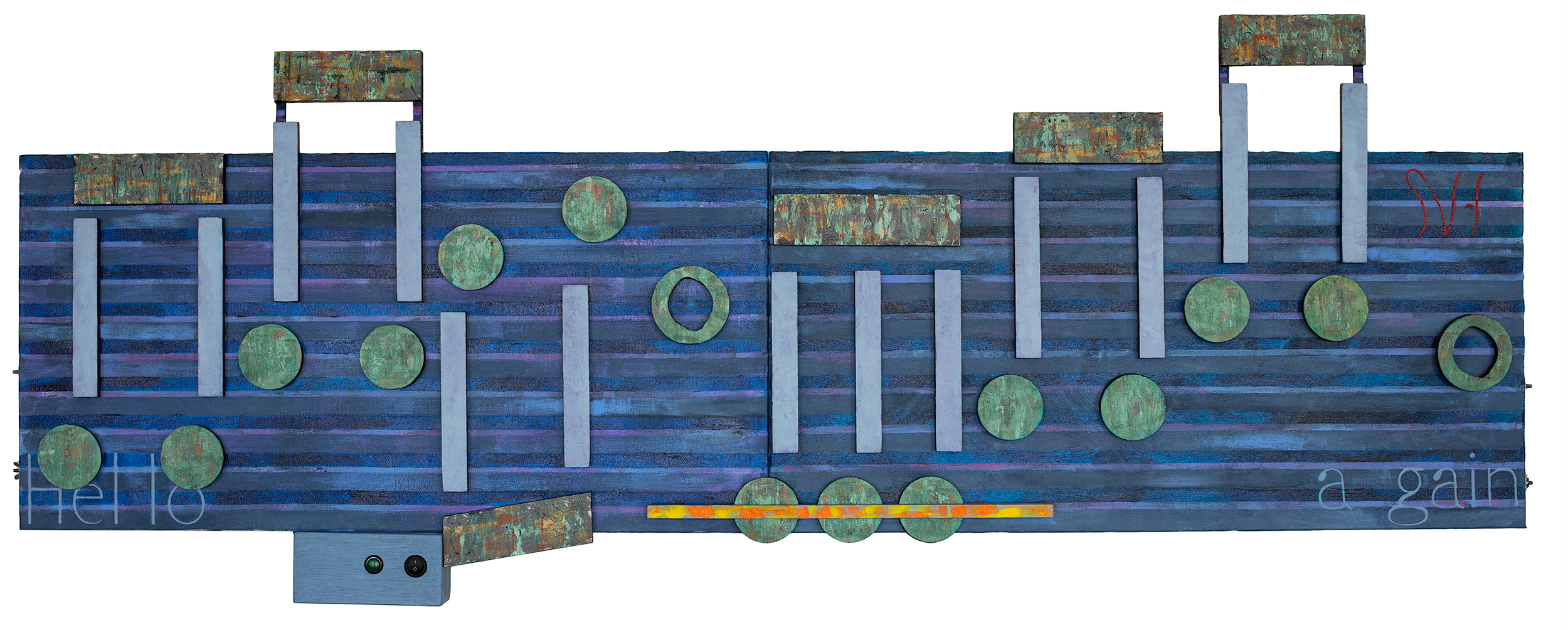
Here is the music box Wildfire, with all of its canvases attached. This artwork has a length of a respectable (my size standard) seventy inches by Thirty-three and a quarter. Next up I will build and attached the stereo system and after a little more finishing work, this project will be completed next week.
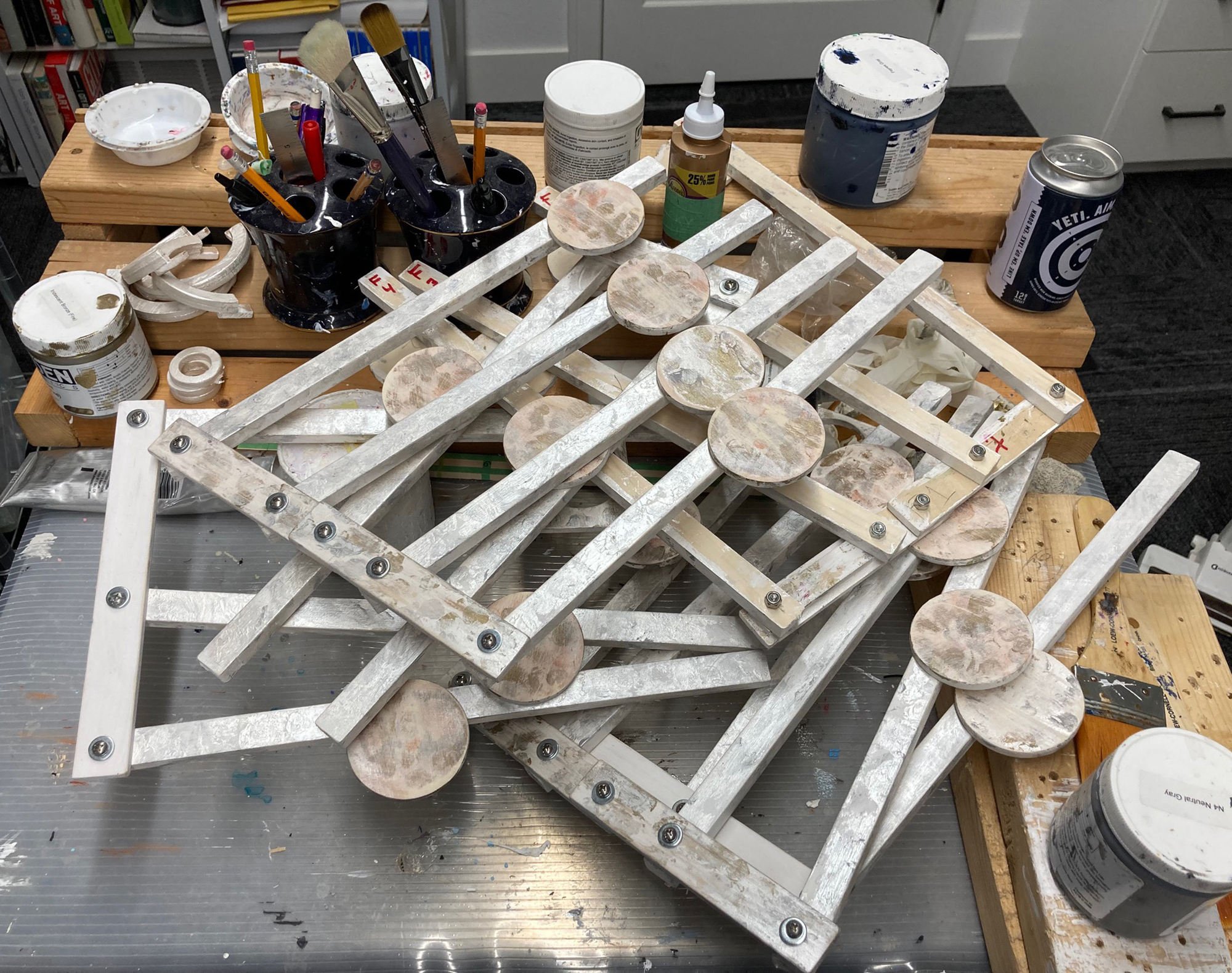
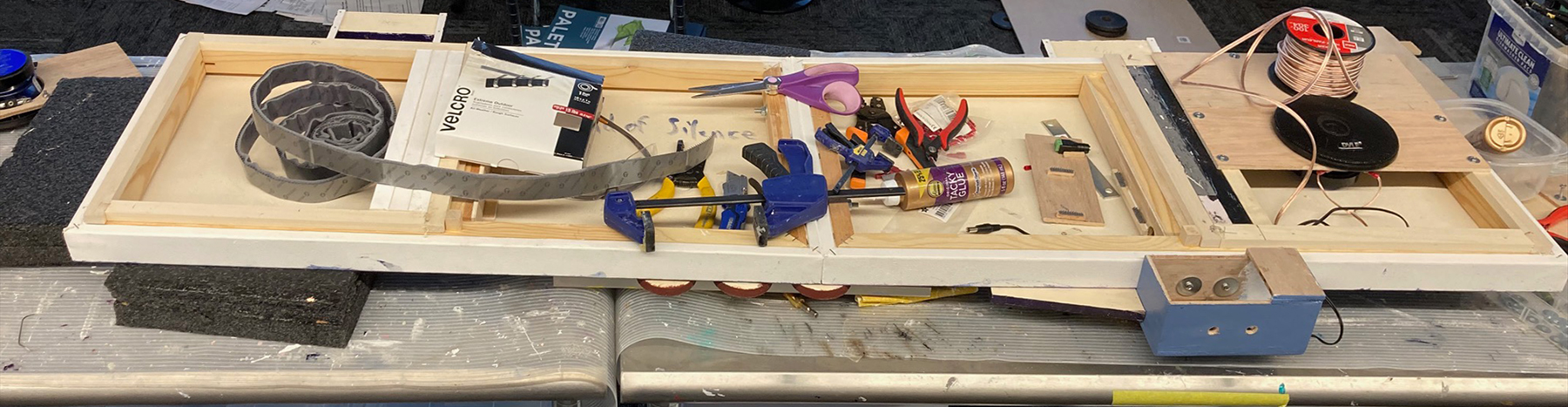
Here is where I piled the music. I needed my large tables to put the artwork’s canvases together.

Going Deeper:

This is the first time where I am used tape to remove the top layer of paint to reveal my graffiti lyrics from the music. Previously, I have always drawn words on the top layer of paint and then scratch them away with a pallet knife to obscure them while revealing the base paint.

My original scratch off technique used a small pallet knife with a rounded edge. This type of tool gave me to the control to create a lot of variety in the pattern and the direction when scratching off the top layer of paint. But because each project is unique in materials and paint choices, the quality of the results varied a lot over the years. I attempted several changes that did not solve this consistency issue. Then I stumbled on a partial solution. By accident I placed a piece of tape on a fresh top layer of paint on the artwork Flight from the City. I went from dread to wow when I saw the look and the pleasant effects the tape had made when removed. Depending how it was stuck on to the paint, the results varied nicely. The removing of the top layer of paint with tape also resulted in cleaner edges, no lifting of the paint, and no bottom layer damage that the metal edge of the pallet knife often did. The tape also allowed me to create straighter lines, which could appear to be representing the staff lines in sheet music. Of course they are not, but the straight lines look works with my musical notes.

Up next the finished artwork Wildfire with what I consider to be surprisingly good cover music.

Scott Von Holzen

S_V_H Wildfire first image

I am ending 2022 with the first major MusicBox for 2023, Wildfire. Here is the YouTube version of this 1975 release sung by Michael Martin Murphy:

I carefully chose the melody I may will spend a month completing. The decision to paint Wildfire began with, despite not being a favorite, I have consistently liked the music. What held this song back over the years were the lyrics about a lost horse. Although I understand others’ connection to horses, I never achieve a fluid feeling when riding them. Basically, I was a team player, hanging on for dear life, hoping the leader would not giddy-up. What helped this choice of music was a different understanding of its lyrics after reading the YouTube comments. What closed the deal to paint is its exceptional opening piano, the accompanying sound of a flute, and my past confidence working with these instruments. Also, this music’s chorus would easily fit my six-foot length goal, my mood and my current skill level in creating cover music.

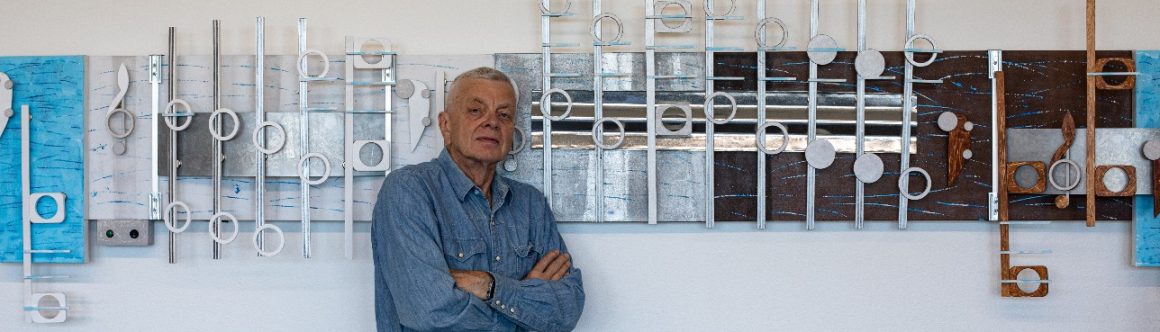
Image One shows the constructed music for this project.

Going Deeper:

After deciding on a song for a music box, my current routine is to compose a draft of my cover music. I then chose what the artwork part will be sampling. The actual putting together of the music box begins with the choice of a support for the artwork. With Wildfire, I have flipped around the process. I have built and painted my notes first, giving little concern for their attachment to the artwork. I went from fitting the length of all the musical pieces to a support, to constructing the music and only then figuring out what the background will be for the music. But there is a problem. I should have known better.

The background support is more complicated than creating the music. Cutting out the music from the wood is time consuming, but predictable, requiring supplies that are easily available locally. With my current music boxes using stretched canvases (to bring down my large extra inventory) not all sizes do I now have, or are available locally. That means, for example, if I need to order a canvas for the background or seek a solution to a construction issue, that could cause a delay in progress. Since I only work on one project at a time, timing my work schedule is important. That is a major reason, along with the challenge of design and preparing the background, that it is prudent that I design the background early in the project. That is what I am going to return to for next project and beyond.


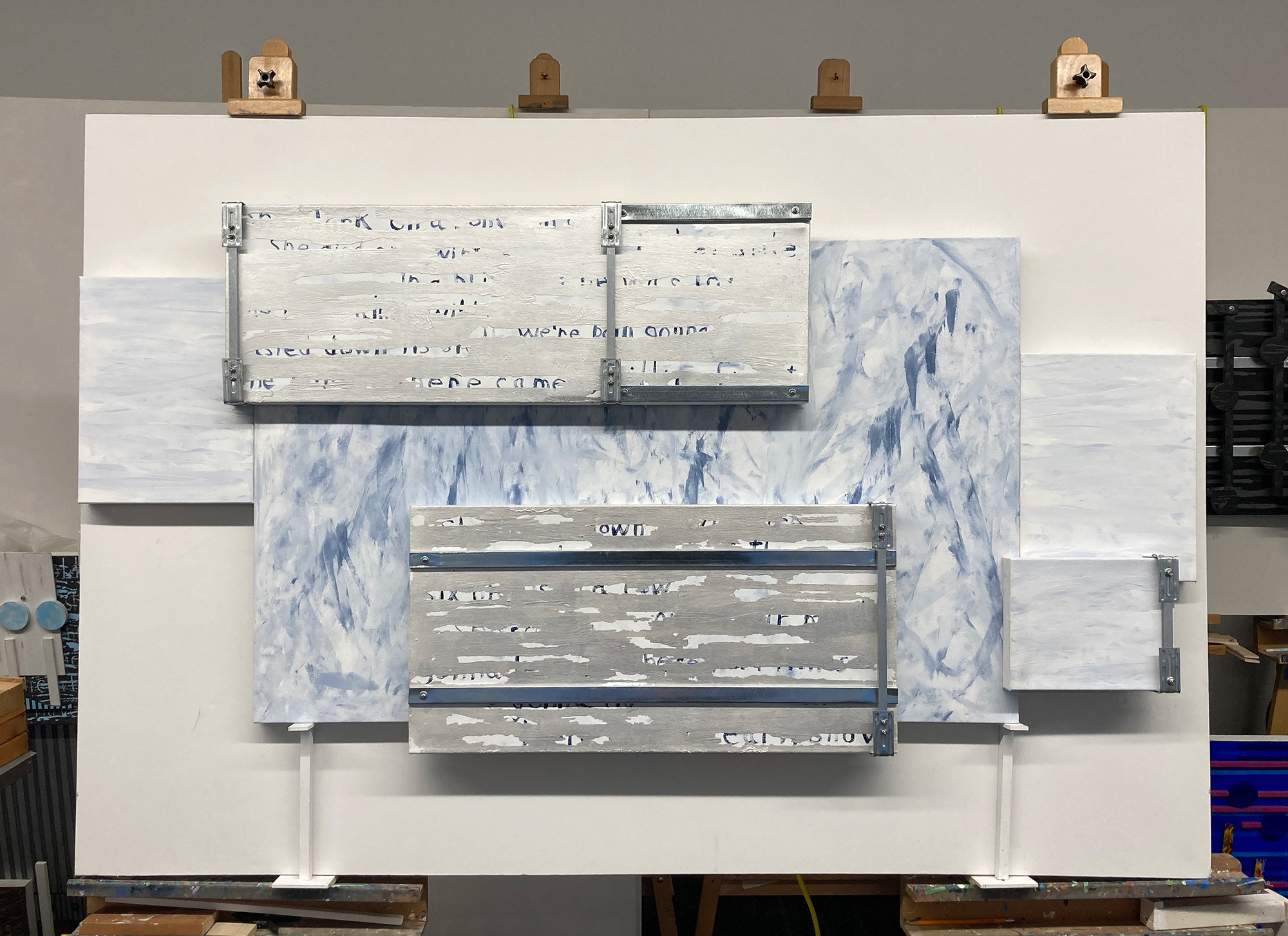
First background image on Sunday.

Second background image on Monday.

Although not overly happy, this is what I am going with on Tuesday. This look does not break any new ground. The length of about 60 inches is also smaller than I would like. For the music choice I choose only the short chorus to sample, which meant a lower number of notes, lessoning the artworks length. Knowing that I should have cut larger size notes, for example, 3 inches or more. Those sizes would have required greater space and a longer background. But I did not. I started this project by staying with my trend, which is 2 3/4 sized notes. What disappoints me about these choices is how successful my music box music turned out. This is the first time the cover music (which is still seen as a final draft) feels more innovative than the artwork. Also, the look of a six-foot artwork would have made the music even stronger. But I did not. Because of copyright issues, here are 30 seconds of the cover of Wildfire.

Wildfire draft music middle 30 second cut.

[UPDATE]

After reading over this blog entry I grabbed two 11×14 inch canvases. I will make these the speaker boxes. The length of this project is now 70 inches. Just what I wanted.

Scott Von Holzen

S_V_H Sound of Silence upgrade

What the viewer needs to know:

Sound of Silence 2022 ≈ L60″ x H23″ xD3″

Sound of Silence is an artwork from early 2016 that I have decided to turn in a music box.

YouTube video discussion of the upgrade of 2016 artwork Sound of Silence.

The chaos of studio work building the speaker boxes and stereo mounting platform.

Going Deeper:

In the video on this 2016 work I spoke about the upgrade. My reasoning for the change is based on my limited experience with upscale galleries like Gallery 1802 in La Crosse. The gallery owner Mark limited his request to three works when he realized how large they were. My concern after hanging was how much wall space those three works filled, compared to everything else in the gallery. That lead me to decide to offer galleries a few larger works, but more options for smaller works.

My smaller works are, in most eyes, would still be considered rather large. They are because that is the style trend of this art now finishing its 16th year. In the last half-dozen years I have created many small works, even some with music, but their reception by the public has been no different from my normal larger works. Recently that has been made more complicated by my improving cover music skills consuming days of studio time. That added cost of playable music means smaller works (under 4 feet) do not allow me a reasonable price differential from larger works.

I price larger works conservatively from 3000 to 6000. This is to be within the pricing averages of smaller galleries. Small artworks three feet and under would then priced near 2000 to give me a return. All the pricing is done with a minor consideration of the cost to the gallery. That expense will run from 30 to closer to 50 percent of the sale. My pricing tier reasoning comes from being an unknown unknown artist, working within the “it” reality of small market art. This art is less about the monies than creating something different and respect. Although covering the cost of art supplies would be nice.

Scott Von Holzen