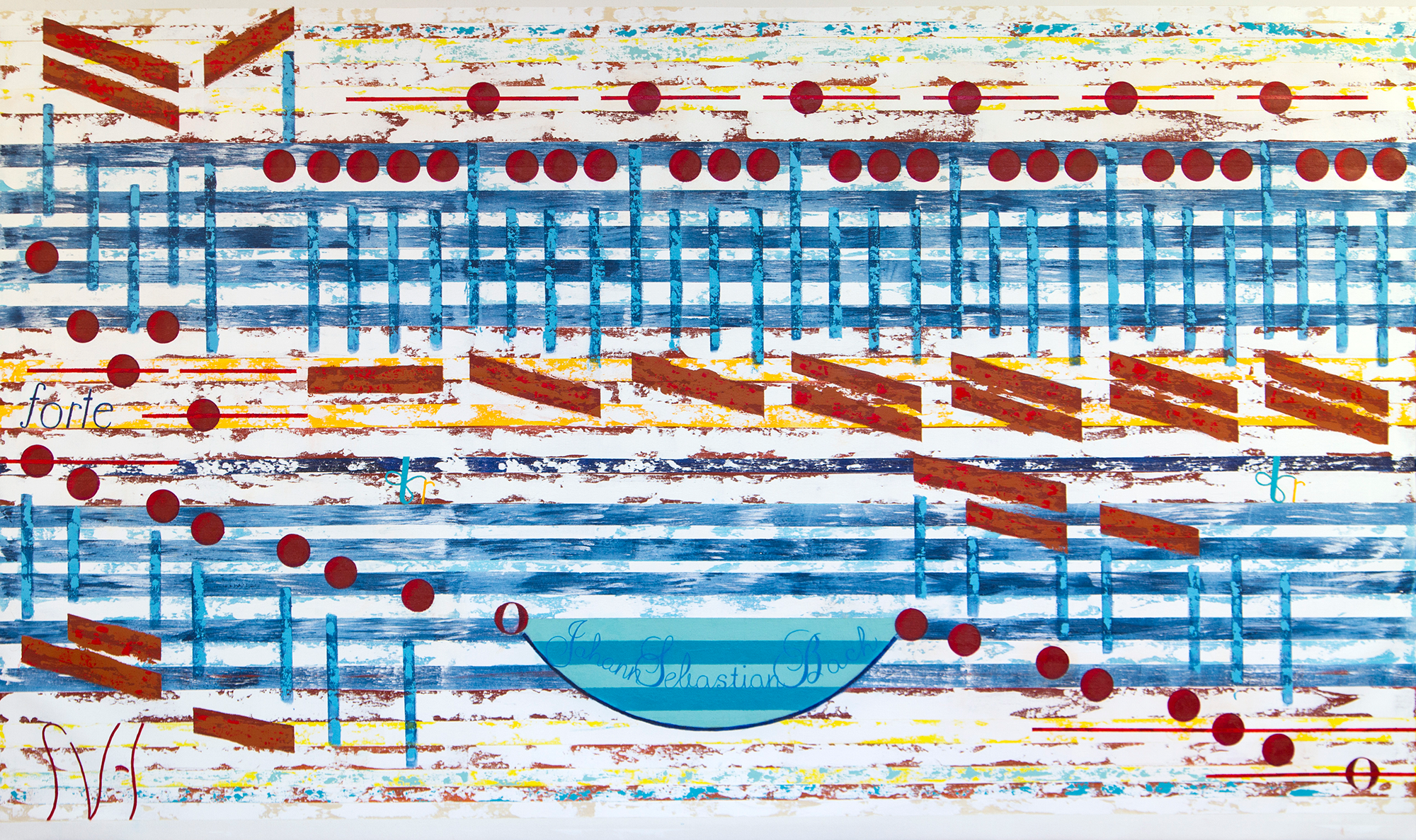
S_V_H You were on My Mind scrapping demo

Well, I thought it was time to do a video demonstration of my scrapping technique that I first used in early April 2020 on the project I Will. I’m writing this many days after I made this video, and have continued to scrap here and there to further my graffitiing of this musical portrait.

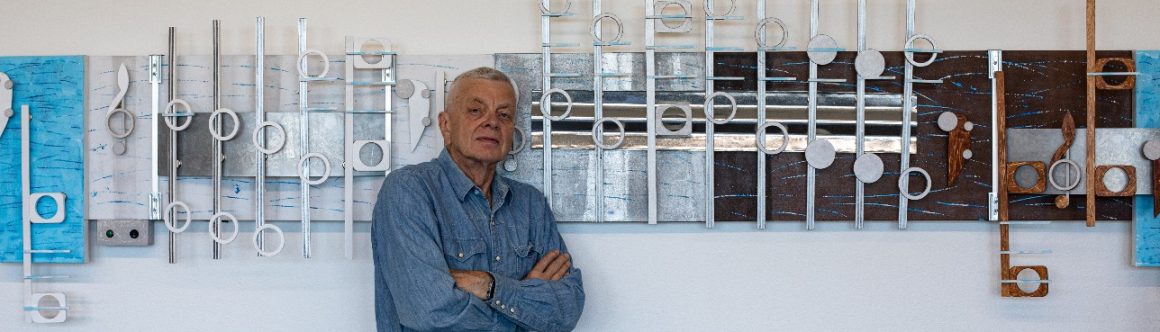
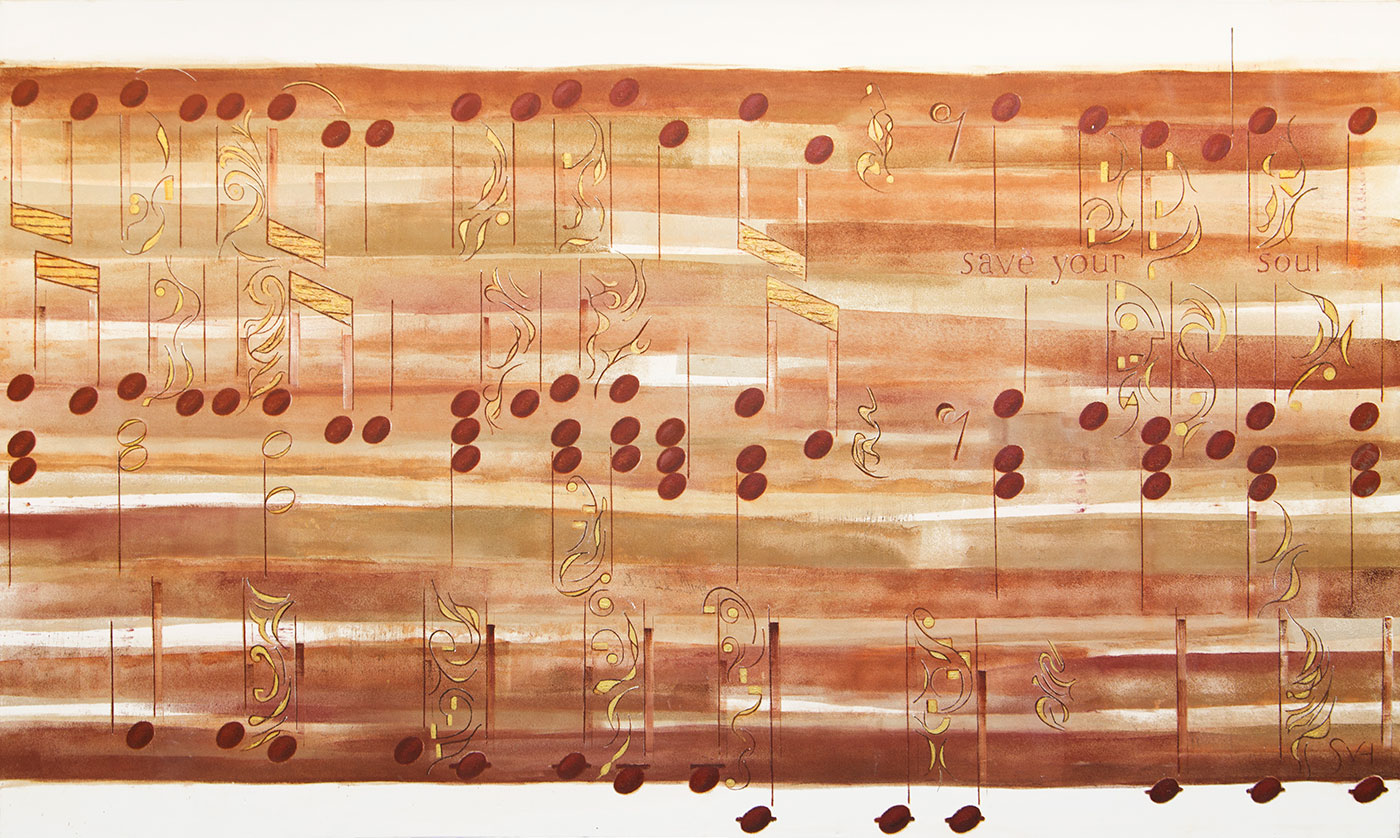
I have since the beginning of this art in 2006 used words to reinforce the artwork’s connection to the music I was portraying. My thinking is that the copyright people are touchy with the use of lyrics, so to not to offend I felt it was necessary to select words found in common language from the lyrics. That, of course, then diminished their impact. Still, I felt the words, much like the up and down flow, represented what I was portraying. By being selective in my words, I found I could create the added possibility of different meanings.

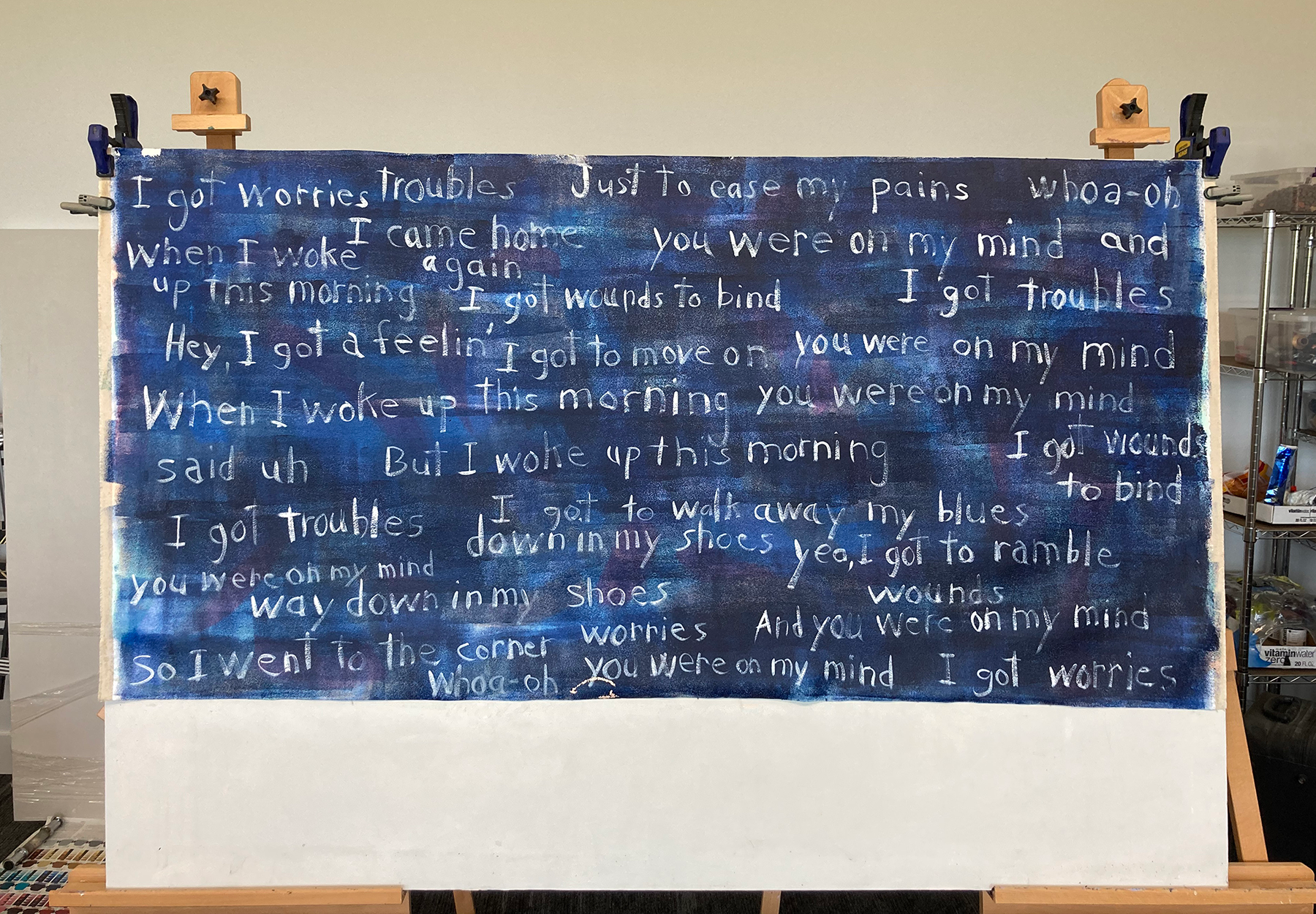
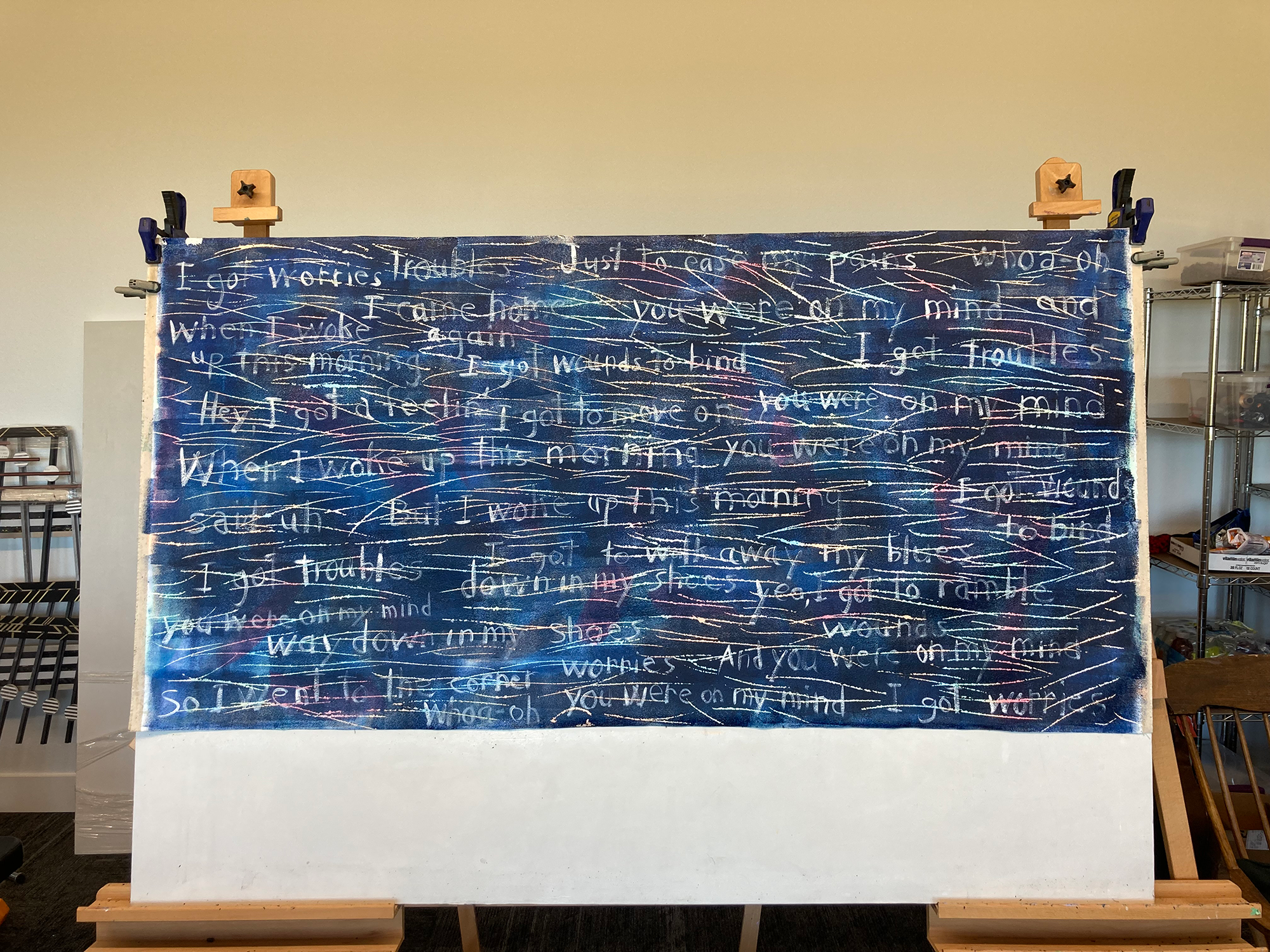
Recently, I have added more words to my artworks for a different purpose. I do this by breaking up sentences or phrases into smaller pieces and placing them randomly all about the canvas, like graffiti on a wall. Then, to negate their value as words, what do I do? I scrapped them away. It is the words’ presence, not their meaning is what I am after. It is like the artwork. I am not painting sheet music. I am portraying an up and down flow from the music.

By graffitiing the words, I am borrowing a technique used by Jean-Michel Basquiat where he would paint over words, as if so to say ignore them. I changed my mind. I agree with that. This is a continuation of a fundamental part of this art, whose principal theme has always been to portray music like a portrait painter: yea, it kinda looks like him, but it isn’t actually him, it’s a portrait.

Scott Von Holzen


S_V_H You were on My Mind image 1

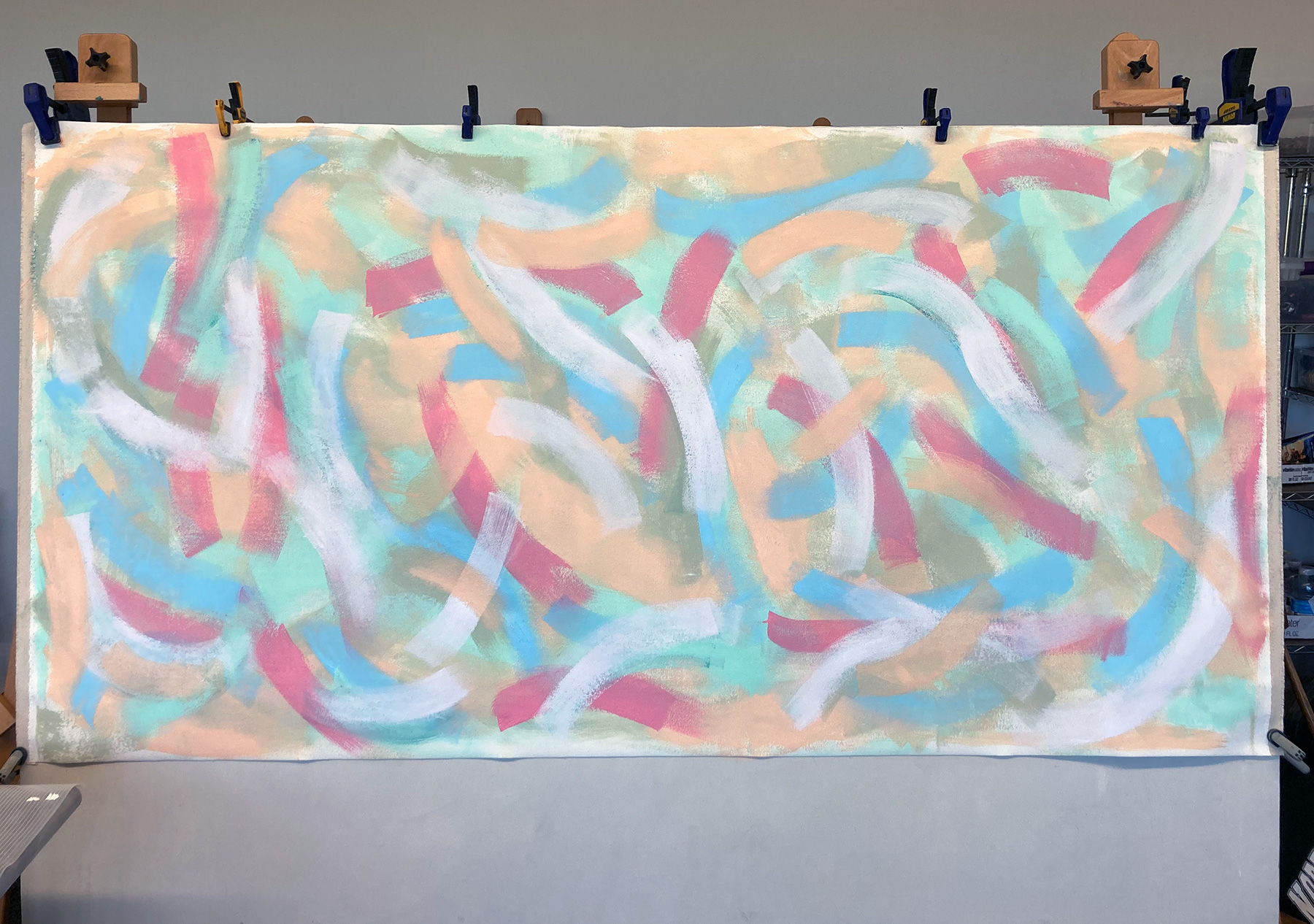
This is the background image. Again, as in the past, nothing fancy or creative. My goal was to cover up the white primer paint with colors that fit together. The final top layer of paint will again cover up this high school abstraction. Later, after scrapping the top layer of paint, a higher abstraction painting will appear.

This image shows my graffiti words from the song, and the two layers of Prussian Blue topcoat. I learned from Play that Song, out-of-frustration in trying to cover the entire base coat, to let some of the base show through adding interest and depth. This next image shows the results of taking a small pallet knife and scrapping away the Prussian paint to reveal the base layer. The scrapping across the graffiti scrabbles the words’ presence while intensifying the abstraction. The use of a small scrapper creates narrow lines that display the action of the artist’s hand (Jackson Pollock without the dripping)

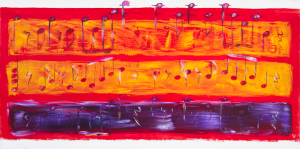
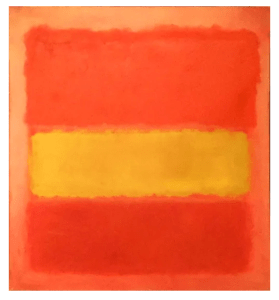
Starting with the first music painting back in early 2006, I had to deal with what to do with the background canvas. From the beginning, I had straightforward ideas of how I was going to apply the up and down movement of the music the artwork was portraying. What I did not have was what to do with the background. Since I did not want to paint sheet music. I knew I would not paint in the five lines and four spaces that make up a music bar line staff. What I came up with was to paint background rectangles that had the basic shape of a staff but more so resembled the artwork style of Mark Rothko. Here is an image of an early music artwork and a masterpiece by Rothko.

Over the years, my backgrounds became less Rothko looking and more generic. Probably out of the repeating need to apply pretty paint to blank canvas, to form a foundation for the music, and/or maybe to add some value to the artwork. Here is an example of a well used horizontal abstraction style using a roller.

American Pie 2008

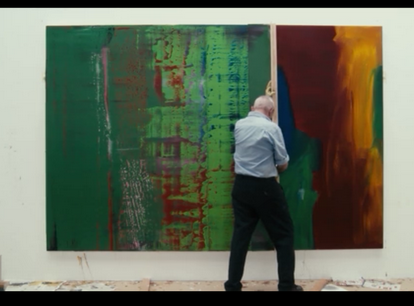
A latest new background style came about when I constructed my own squeegees and practiced the technique developed by Gerhard Richter. This large Bach work BWV 1065 from 2014 is an example of my squeegee efforts.

I used those background styles and many others less unique for my backgrounds over the years. For each new painting, I had the same goal to fill in the canvas behind the music. It was not until early 2020 that I developed the idea of scrapping paint. Now, in later 2021, and with this latest scrapped work, I believe I am close to replicating this technique consistently. To this day, I am surprised with each first scrap of the pallet knife that what I am actually doing actually works.

Scott Von Holzen

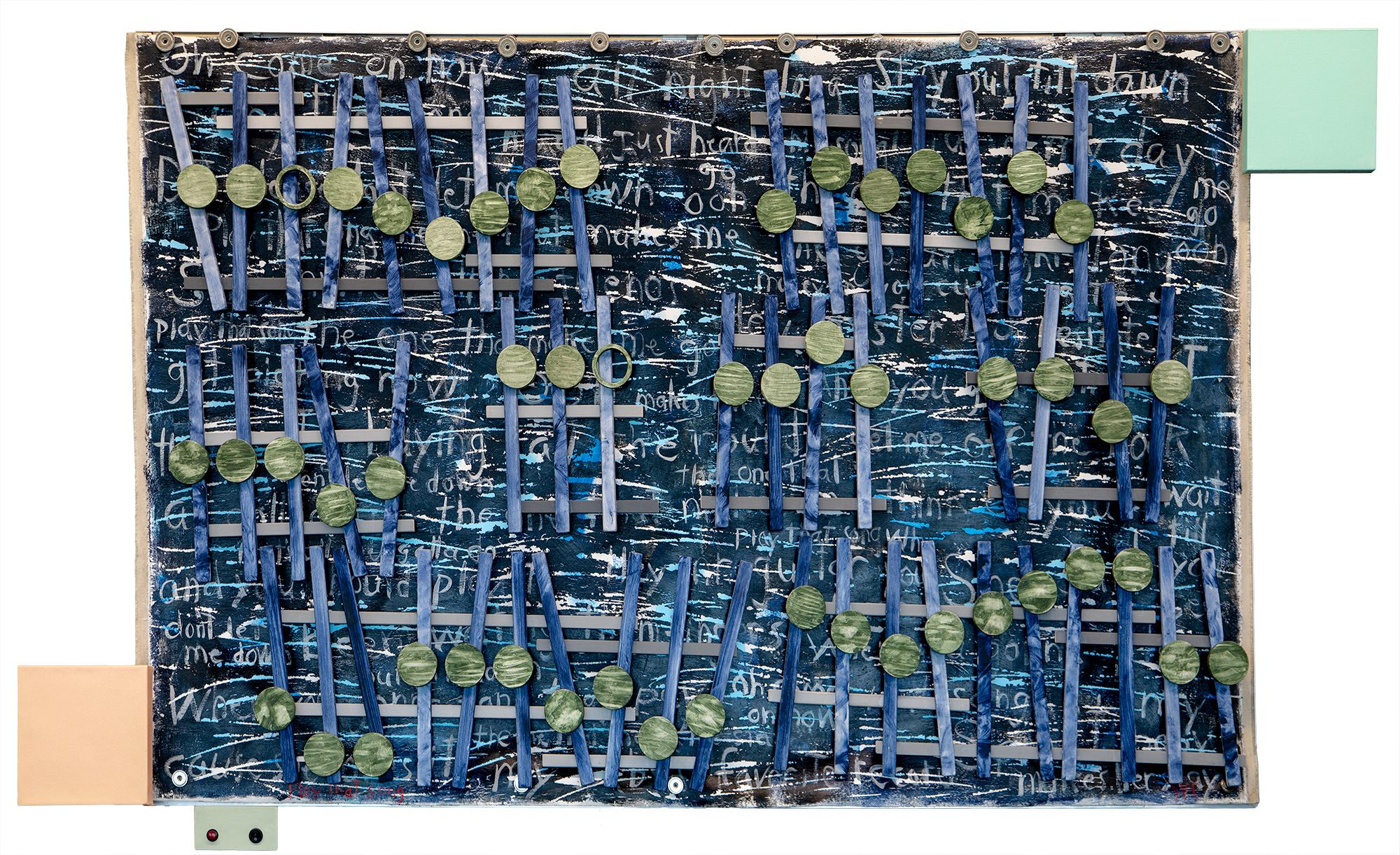
S_V_H Play that Song Final

Play That Song L72″x46″xD4″

I started Play that Song on May 17th. The artwork was finished in early July. The artwork project was completed with the adding of the music and the signing and dating on August 25th. This is the only artwork project that was completed in 2021. The only other artwork I have finished was After the Gold Rush, at the end of February in Minnesota. Although I completed the music for this artwork, I never built the framed or created the sound system. All that never happened because we were getting ready to leave. On March 1st we returned home back to Wisconsin.

Here is my YouTube video discussing this artwork. The music still sounds “catchy” to this day. That convinces me that after all these months spent on this project the choice of music holds well.

To add to the video review of Play that Song, here are some of the technical improvements that were made. My aluminum frame for this artwork now using one inch angle instead of three-quarter used previously. That makes for a stronger, stiffer frame for the artwork. Moving the speakers out from behind the artwork to in front allows the artwork to sit closer to the wall. The pastel colors I chose for the canvas framed speakers and the controller box, I have used before in early artworks. The pastels were used on small pieces of the artwork. I never had the concern if the pastel colors actually work with the overall color scheme of the artwork. Being an old school photographer, I was always looking for interesting contrasts, so that is where the pastels come in. Besides, the music having its own color scheme and its outside placement on this work allows displays its independence from the artwork.

The challenge remains: how do I, or don’t I, connect the art, the music, and the artist. That mystery still lies deep, only partially uncovered. The last improvement is the first time use of magnets instead of glue to connect the wooden music pieces to the canvas frame. Although the magnets can cause damage to the top coat of paint, their easy removal releases the wood pieces, which better protects the canvas when being moved. The idea of gluing rigid wood pieces to a foldable piece of canvas, and then trying to handle that canvas without having the wood tear loose, is absurd. Especially when I am still using an experimental layering of top paint that needs to be easily scraped off, and takes time to harden.

On September 2nd we will take this artwork to be exhibited in the important fall art exhibition at the Pablo Annual. In 2019, to my surprise, The Blue Danube took third place. Surprisingly not, nothing came from that moment in the light event. Now, two years later and the payment of a twenty-dollar exhibition fee, we will give it another try. I hate pay-to-display events, but I want to convince the Pablo that it is time to schedule this art for a one person show. That means I need to keep myself in their face while working to convince them that my combination of art and music fits well with the Pablo’s overall approach to the arts. I am going to make this happen, knowing that the squeaky wheel gets the grease. What grease and this art have in common I am not aware of, but that metaphor pops up from memory like “Once there was this little old ant who thought he could move a rubber tree plant.” From the time I first heard this song to today I have considered myself to be one of those stubborn son-of-a-bitch ants. So it is. So it goes. So goes I.


Scott Von Holzen