SVH “Sold” Walking in Memphis

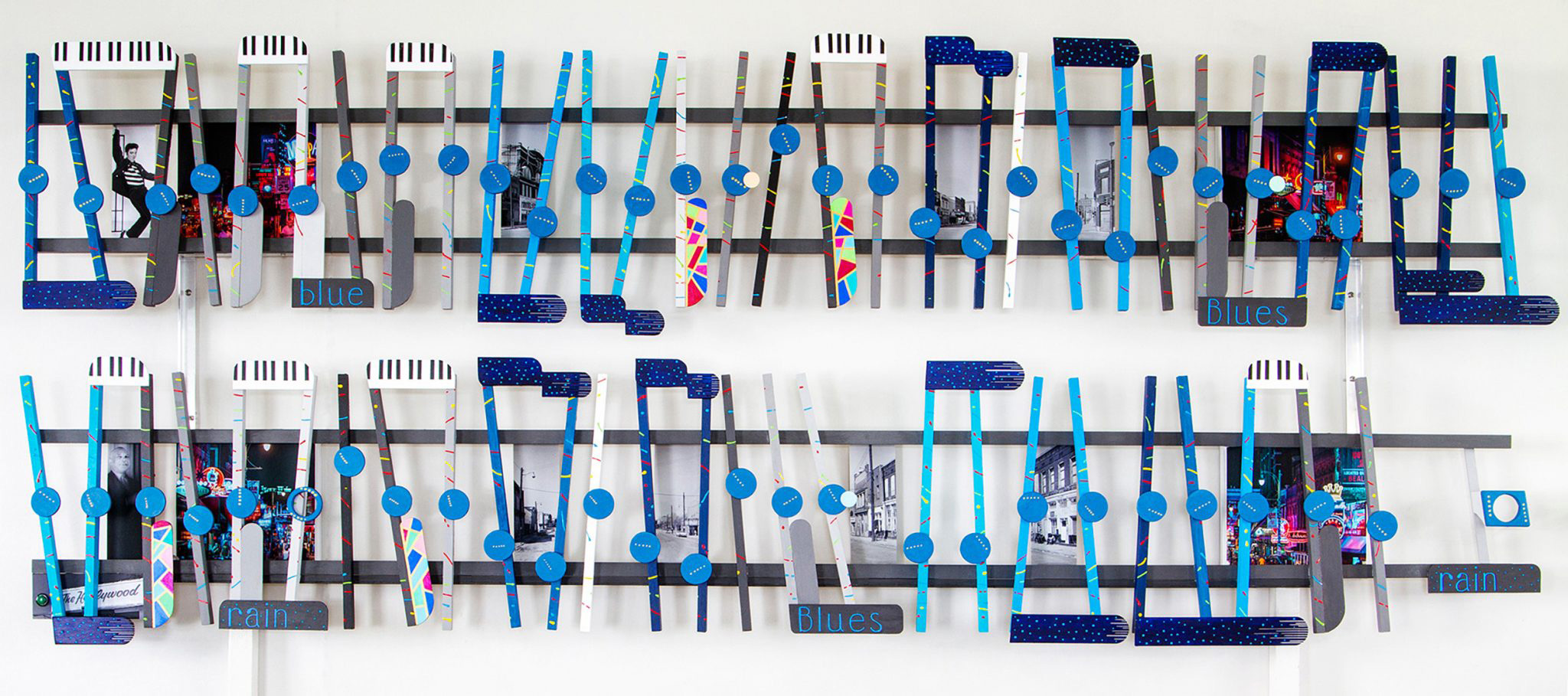
Walking In Memphis 2019

Before I talk about the sale of Walkling in Memphis, I would like to comment on this image of Jaime O, the person who questioned me about why I gave up painting. This photo of Jaime in front of Twinkle and Gold Rush is how I see and know him. I see his pride in what this art has accomplished and, importantly, his part in this artist’s comeback. Well deserved. The question he presented to me back in late 2005 came from one of our many conversations.
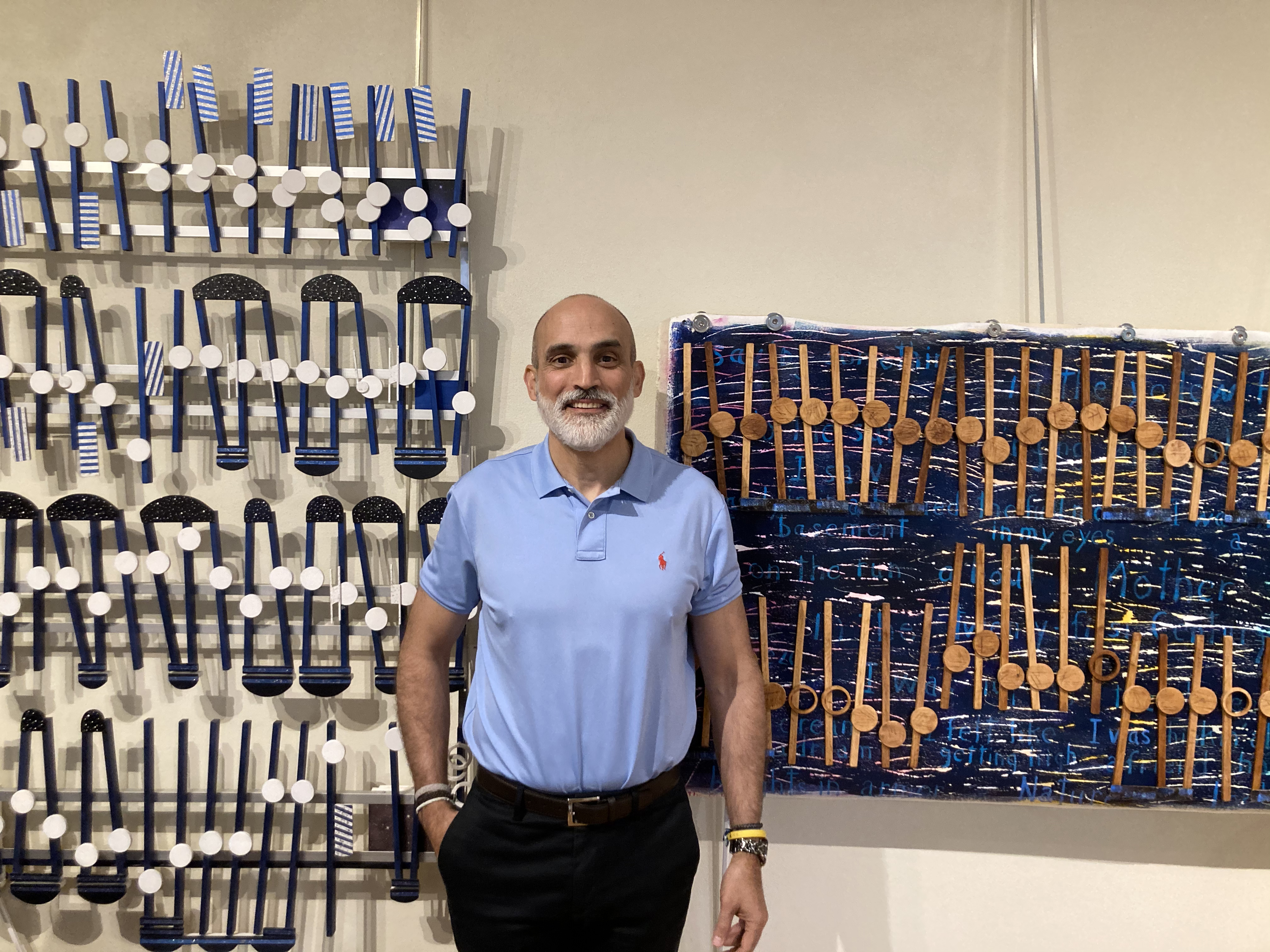
Jaime O picture at my CVA exhibition in Wausau

Jaime’s office was across the hall from mine. And since I did not have a window, and he did, in search of a break or a change of scenery, I would often venture into his office. This occurred more often in the midafternoon, let’s say from 2pm and on. When Jaime was in his office, and not on the road selling, and it was around that 2pm time he would this tendency to get a little sleepy. To help refocus both of us, I would check my watch, listen to hear if he was on the phone, decide that world of IT was safe for this moment, and only then wander into his office.

I enjoyed his view, but it was a conversation I was in search of. Either of us would start it with a tease. Jaime was then, and probably still is, a world traveler selling to many markets. This allowed him In this spare time abroad to visit the local art museums and such. I, of course, found this art connection interesting and one I wanted to converse with him. That was something Jaime enjoyed. He not only understood great art, he also throughly enjoyed talking about himself. Although I always felt engaged with our conversations, no matter the subject.

It was during one of our exchanges around art that he questioned me about why I gave up painting. That became the change moment that may have helped instigate my shift away from traditional photography and into digital photography. Eventually, his words spun me around, away from photography and back to art that I had abandoned in the early 1980s.

I gave him an artwork as a thankyou in early 2006. Finally, I remember one brief conversation we had when he said that my name, “Von Holzen.” sounded like an artist or high end stereo equipment. I thought that was a wonderful comment. Years later, neither of us knew I would develop the potential to become both.
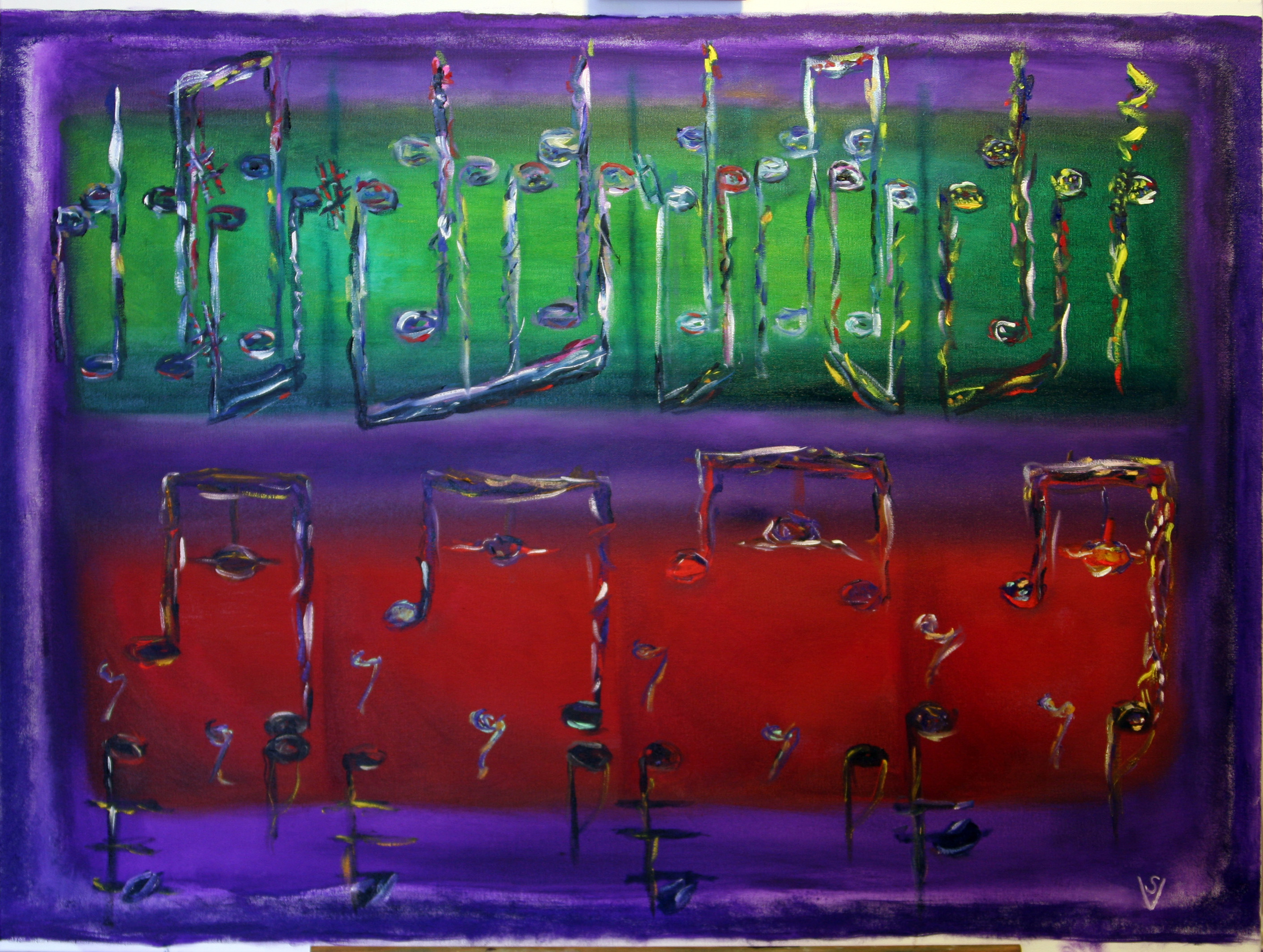
Gift to Jaime, Beethoven’s 7th Symphony

This is the video I received on my phone with the Owner of the company saying, “sold,” for Walking in Memphis.

Late in my fifties, I returned to a two-year tech school for five semesters to earn a decree in Computer Information Systems. This company then hired me for their IT department. Almost all these smiling faces I worked with, supported, exchanged stories, debated with, learn from, care about, and still miss today after being away for five years. They are from the sales department of the company I worked for fifteen years. The name mentioned in the video is a great work friend and one of the company’s top salesperson. I received this video from him and we still exchange text messages to this day. Of course I took this photo that like Jaime’s image clearly displays the character of this special friend of mine.

Walking in Memphis sold for $4,000 dollars. This is my largest single sale ever. Once again, I want to thank the company not only for their generosity, about also for their remembrance of my many enjoyable years serving their needs. As for the two person show at the Center for the Visual Arts in Wausau, Wi that was a disappointment. Although I am pleased to show and split the sale monies with them, nothing else came out of that effort. I did not expect to “Break on through to the other side,” but no feedback? Only experience was gained. I expected such and was proven right.

Scott Von Holzen
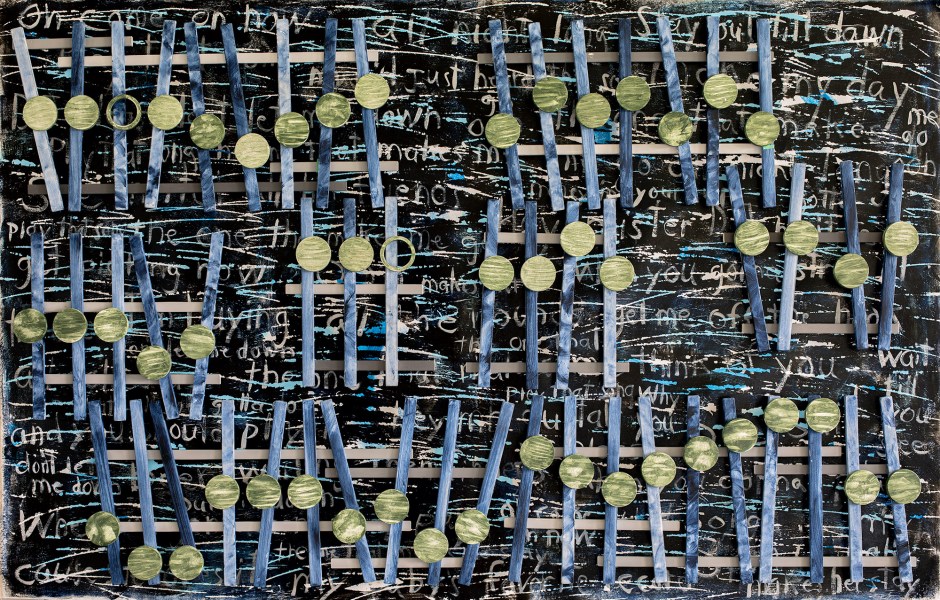
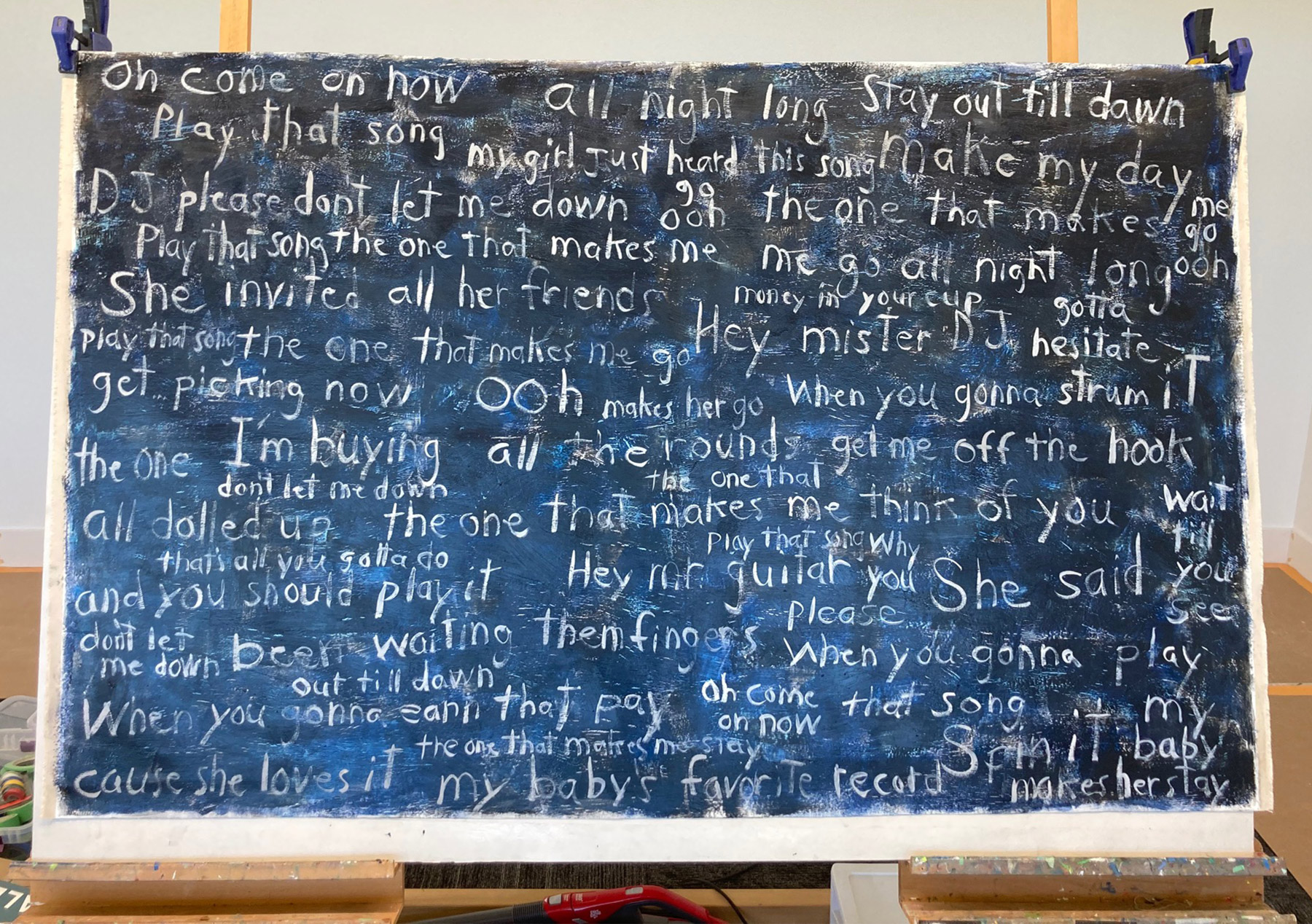
Play that Song, the Artwork, finished

These are the words with the music. I am not displaying lyrics, only words. In the early days artworks had a word or two. In time that changed as their number became more common and complicated. That was when a remembrance came to mind.

In my earlier summer job days I worked at my father’s car and truck dealership doing whatever I was told to do. While there I was in awe of the sign painter and his beautiful hand lettering who painted the customers’ truck doors. I thought of him when adding words became increasingly important. Seeing back to his slow motion painting and precision lines influenced my lettering style and personalize my the font style I used. It was as if I was assuming the position as a lettering painter. My artwork word standard became a challenging and time-consuming task. For example, I wanted to make sure all the letters looked similar and had the right width, height and spacing.

It was only recently when I was going to fill entire canvases with words that I came convinced that my precision letters and the time this type of lettering required no longer made sense. My alternative because a looser and more like my natural hand printing style. Besides, I thought after painting all the words, my next step would be to take a pallet knife and scrape parts of them away. I added another reason for my lettering change with this project.

When standing back from the artwork and seeing the words, the thought came to me: I was looking at graffiti. Now, I do not know if that is the right description for graffiti artists certainly are better word craftspeople, and better at using more elaborate fonts. Maybe my wording is more a reflection of the hand printing style used by Jean Michel Basquiat who was not a graffiti artist. All the words in this artwork are in my natural abstract graffiti style, which fits this music filmed in the city and works with the darker background and the scrapping.

The image above is the artwork in a near finished look. This is the first artwork using the technique where the music is held onto the canvas with magnets. When I hung the art pieces to the canvas, to take a photo for an exhibition, I knew the top coat of paint was still sensitive to scratching and could easily be damaged by the pressure of the magnets. Now days later, as the top coat is hardening, I am testing lighter strength magnets with different covers to prove that they are a viable hanging option that can be easily moved and removed.

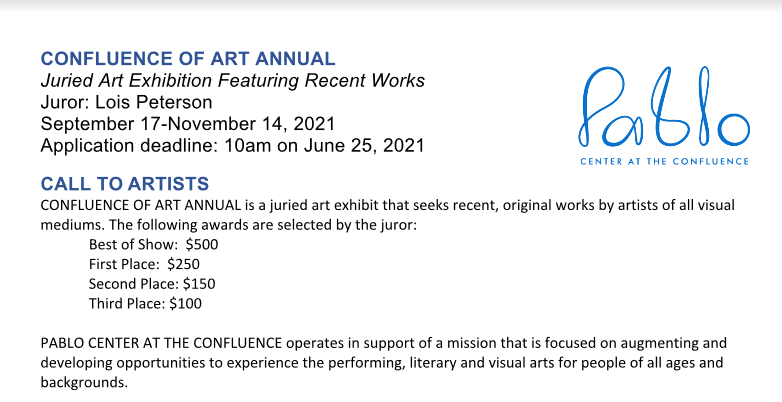
I have not signed it yet, nor have I built the aluminum frame that enables it to by hung and supports the music. I was in a hurry. I wanted to meet the deadline for a major local show at the Pablo in Confluence Center in Eau Claire. My submission application made it in on the 24th meeting the deadline. My current stand is to not do group exhibitions, especially if there is an entrance fee, but this show is the exception. It is the most important art show in this area and more so I want a one-person show from the Pablo. This is an example of pay to play ($20 entrance fee) and playing to find a way.

Part of the Exhibition application

I will know by July 30th if this artwork makes it in the Jurored exhibition. I will then build the frame and add the music. The drop off is not till September. Otherwise, it will go to storage, and I will have another reason to hate group exhibitions.

Scott Von Holzen

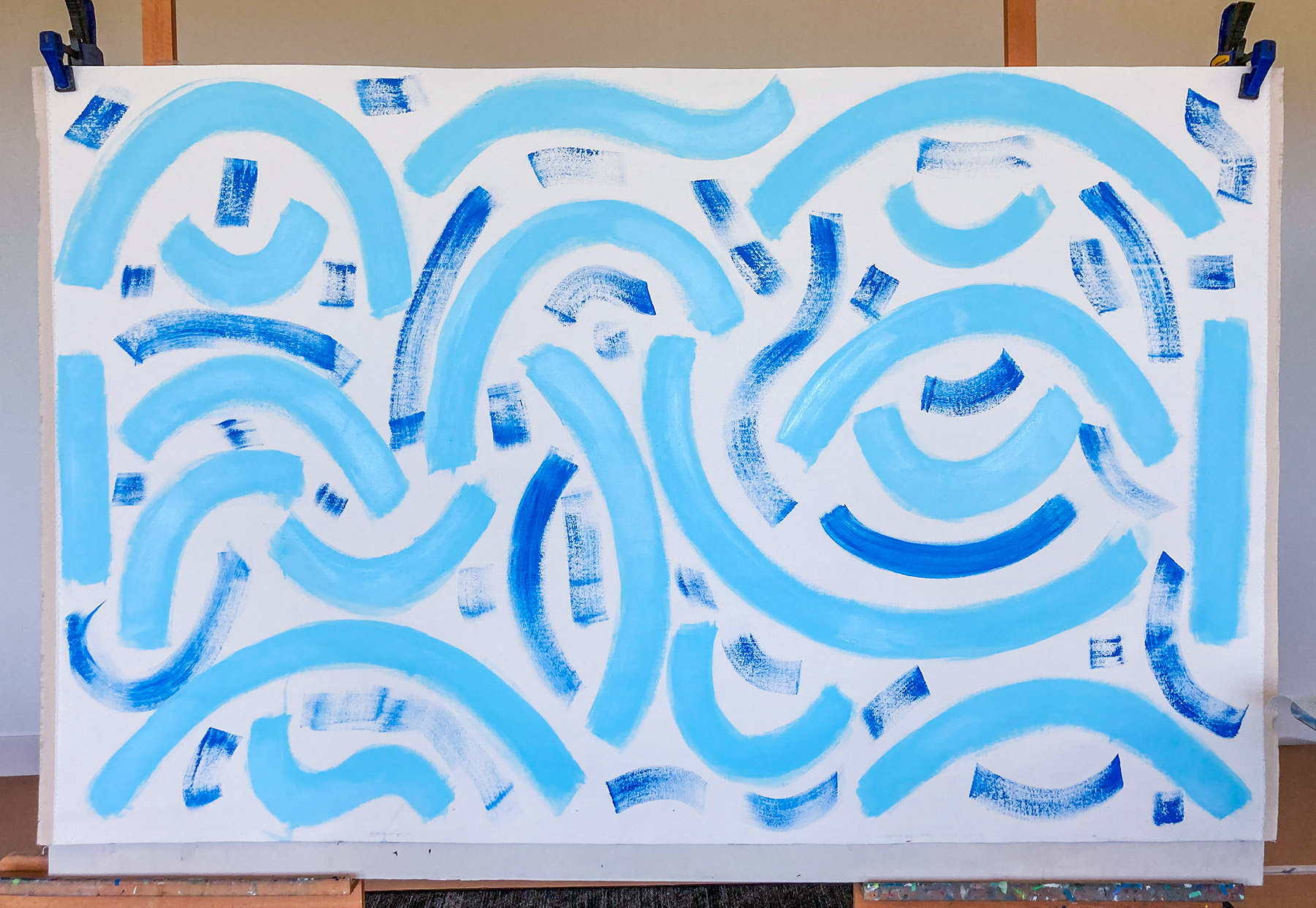
SVH Play that Song 1st image

This is the first image of the artwork Play that Song from the music by the band Train. This is what I call the back image. I picked two shades of blue that represent the sky in the video. Since this blog is taking forever to write below is another image of the final top layer of paint, which consists of two coats of Bone Black and a third which is a more here-and-there coat of Payne’s Gray.

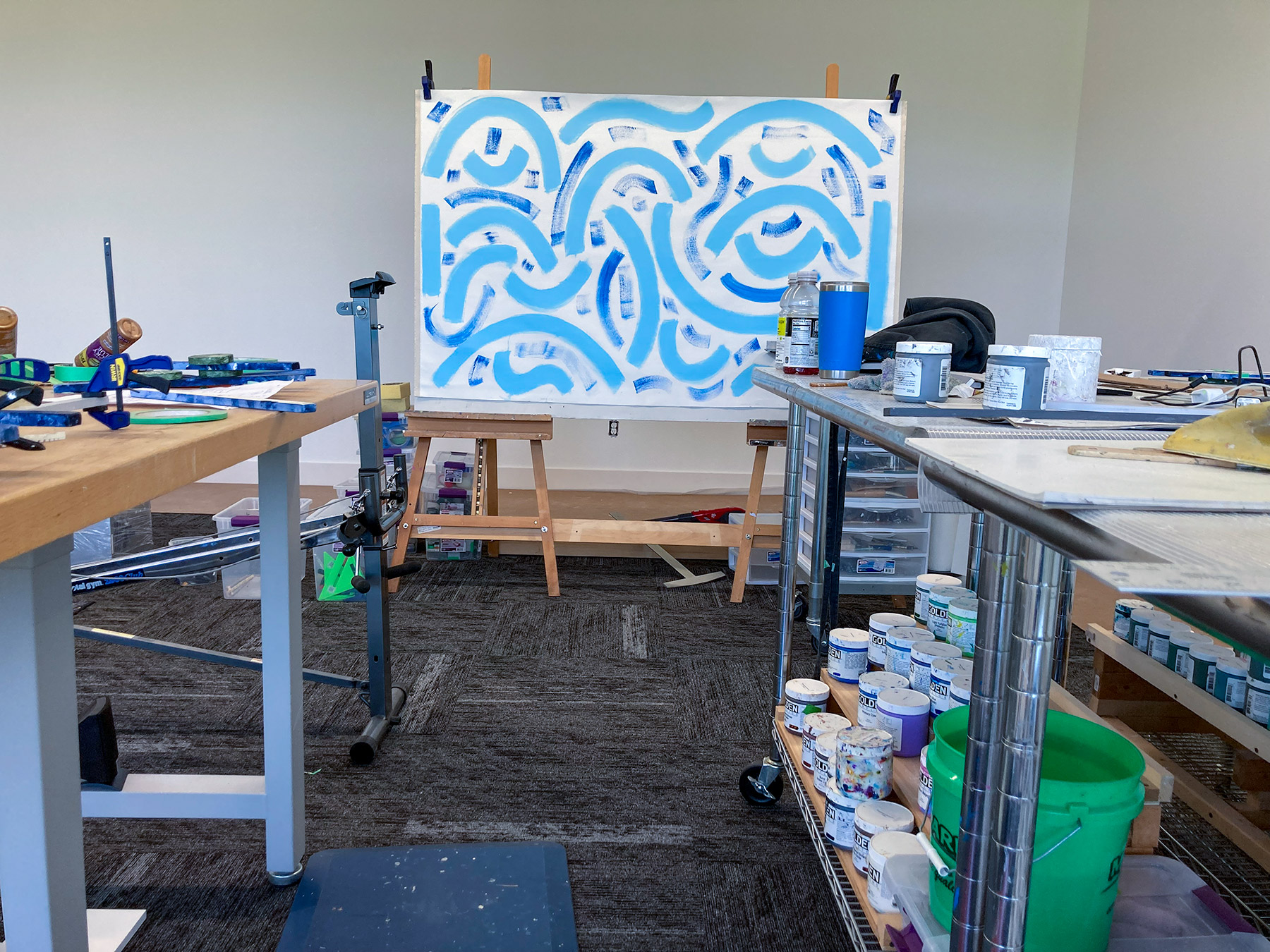
Image from the new Studio under construction.

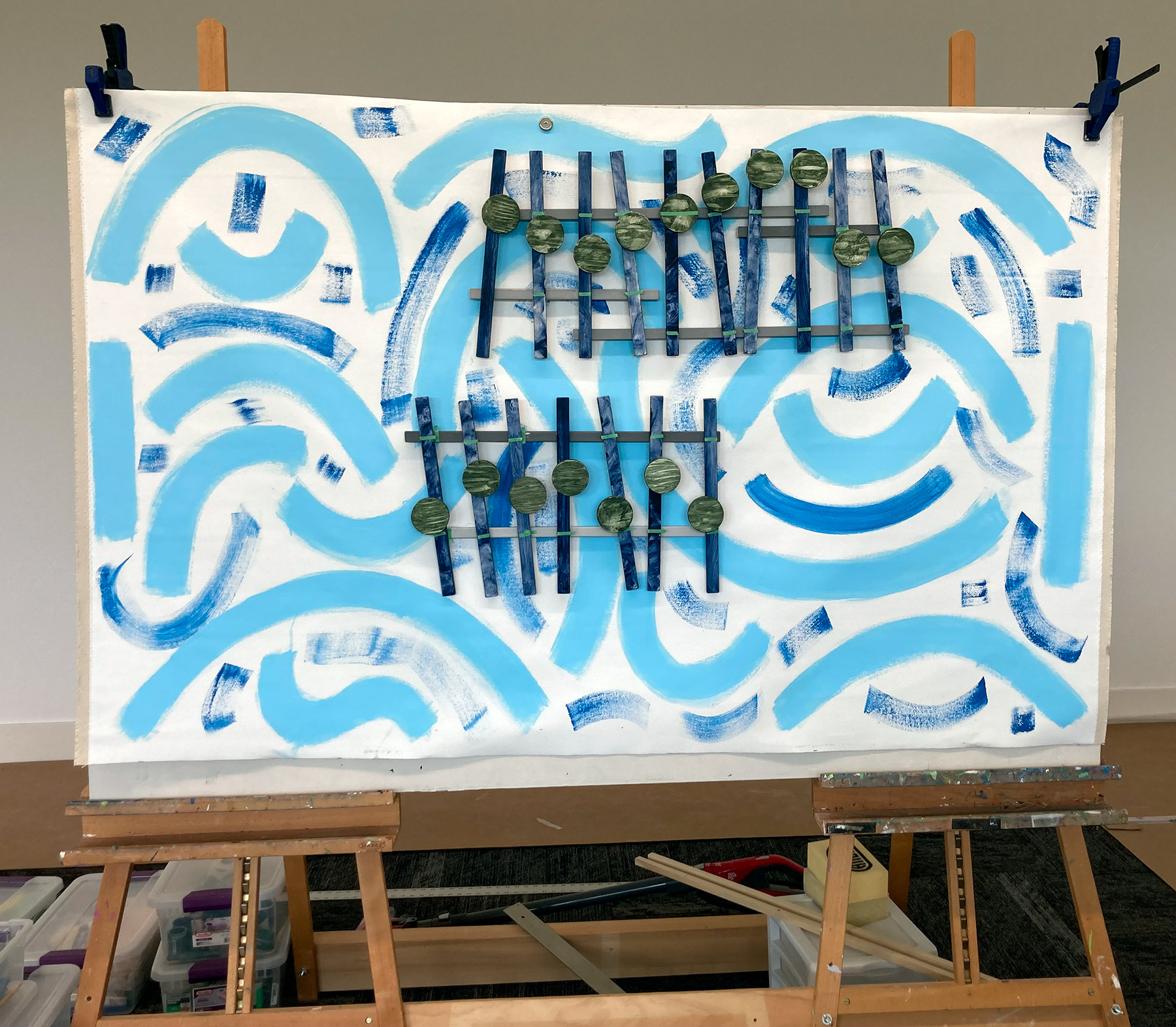
The image above with the two examples of the attached music is a proof-of-concept test. I wanted to confirm that I can use magnets to attach the music to the canvas. This would then make it considerably easier to store and move the artwork about. Using magnets to attach the loose canvas to a frame, and magnets to attach the music to the canvas creates a constructed and assemblage artwork.

My past artworks using the scratch of technique involved attaching the wooden music to the soft and vulnerable top layer with glue. Making things worse, the canvas is attached with magnets to the support frame and not stretched. The attaching anything permanently to what is a loose piece of canvas to a layer of fresh paint that can be scrapped off, can be a challenge. Even with careful handling, the attached music can tear away from the top layer of paint and canvas. A solution was that by scrapping down to the original background canvas the glue in those contact areas would hold to the canvas. I am also seeing some evidence that over time the top paint layer may harden enough to diminish the attachment issue. Using magnets attached to the wooden underside of the music and then attached to other magnets placed on the backside of the canvas, eliminates the need for glue, and creates a secure, and a safer to move temporary hold of the music to the canvas.

This is the top background image. Once I paint on the words for the artwork I will then scrap this layer of paint, to reveal the blue and white original background.

This top image differs from my past efforts in that some areas of the background still show through. That happened because I only applied three layers of paint to cover the back layer. In the past I would apply many more layers until the background image was completely covered. I have given up on that idea. I don’t know why I was thinking I needed a solid cover background, other than that would be a traditional art technique that others would approve of. But I was never trained in traditional art techniques. I have only seen them in museums, books, and videos. At this point in this art’s development, my time is too precious to accommodate.

Scott Von Holzen