S_V_H Beatles Triptych

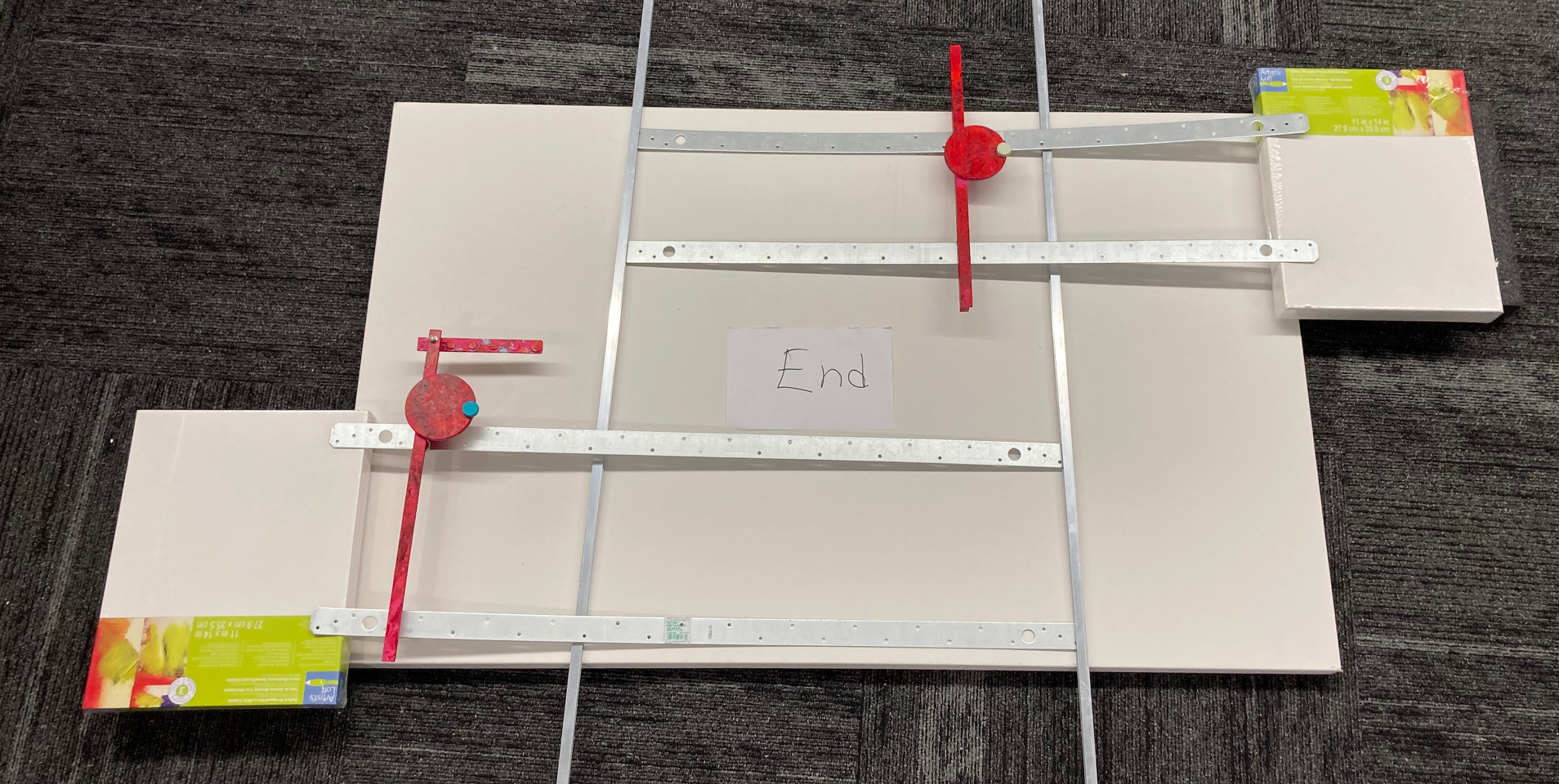
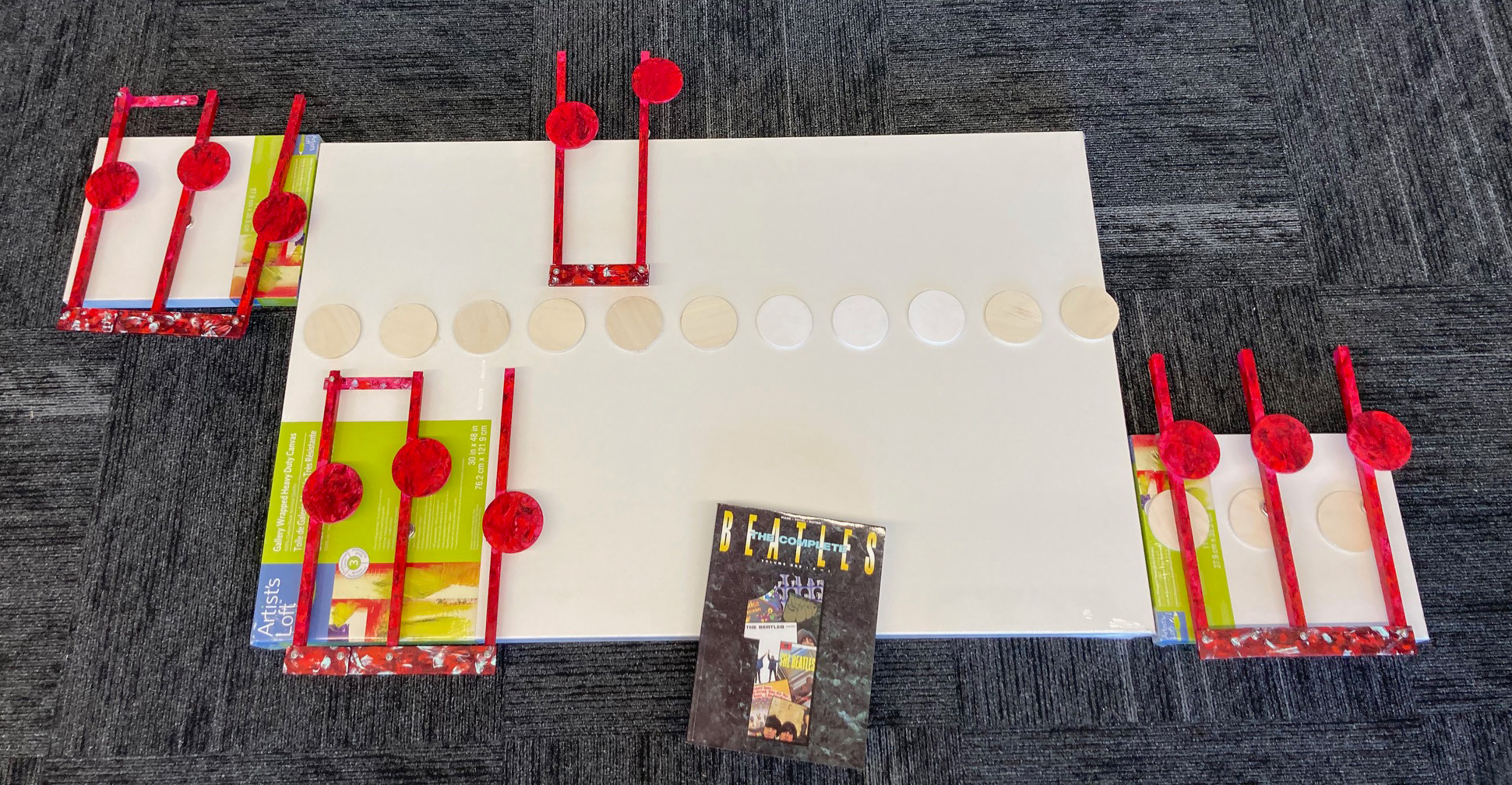
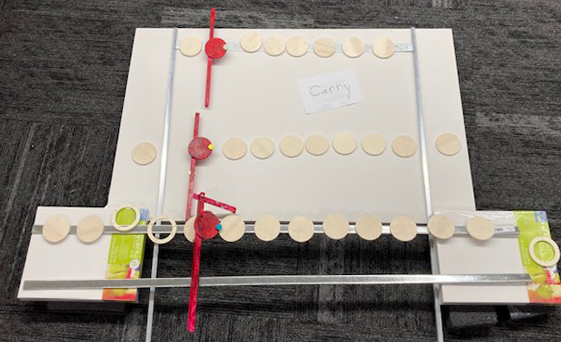
The first layout plan for the music box Carry that Weight.

I have a number of large canvases left over from my Vivaldi Four Season project from many years ago. Three of those canvases each 36 inches by 48 inches are going to be the base for three Beatles songs from their album Abbey Road.

After finishing the music box Zombie I had no clue what song I was going to paint next. As always in this situation I would go through my to paint song list. This time, nothing clicked. I actually cross through a number of songs that I have been skipping for months, if not for years. Not on that list was Golden Slumbers, that was on one of my play lists or it may have popped up into my head while listening to Spotify while walking my dog, Zelda. The song is from the album Abbey Road, which has always been a favorite of mine. The timing of this song also felt right for me. Besides, I have always thought it was a wonderful pop melody that would be a good fit for piano and maybe the violin. My only hesitation was its release date, which was 1969, over 54 years ago.

Trying to find music that was a little closer to this current decade, I found the Spotify, a playlist of 73 songs called Best of 2000s. The list contained two songs I had already painted. A favorite was by The Killers, the 2004 song, Mr. Brightside, (no audio) painted in late 2016. The other was a 2014 commissioned work, Chasing Cars, by Snow Patrol (That was last I heard of that group). As for the rest of the music on that playlist I found I knew 17 more, but none I wanted to paint. That brought me back to the Beatles. I brought up YouTube to see if there were any covers. I found a cover of Golden Slumber by Dua Lipa.

The Official Audio only by Dua Lipa

Finding a current pop star doing a cover for this classic Beatles song gave this music credibility and a fresh connection to the music. I have always felt that of all the bands from the sixties, the Beatles would have the best chance to live on. Dua Lipa is a small proof. Finding her video lead me to another significant find that finally excited me to start another project.

Paul McCartney on piano. And it looks to me that Phil Collins is on drums and a young Eric Clapton on guitar. The other person McCartney recognizes looks to me to be George Martin.

The video above is of Paul McCartney singing Golden Slumbers, followed by Carry That Weight, and ending with a third song from the album Abbey Road, The End. Right away, I thought, Triptych. An artist triptych is three artworks that share a common theme, and are usually similar in size. I then checked my canvas inventory, and came up with three main 30×48 canvases, and six speaker-size canvases 11×14 inches.
Because of the size of the main background canvases, I stayed with the larger notes on used on the previous artworks, What’s Going on, and Zombie. The thirty-inch canvas height also allows two rows of notes.

These images for this triptych each show a layout for the music while keeping each work under six feet and forty-two inches wide.
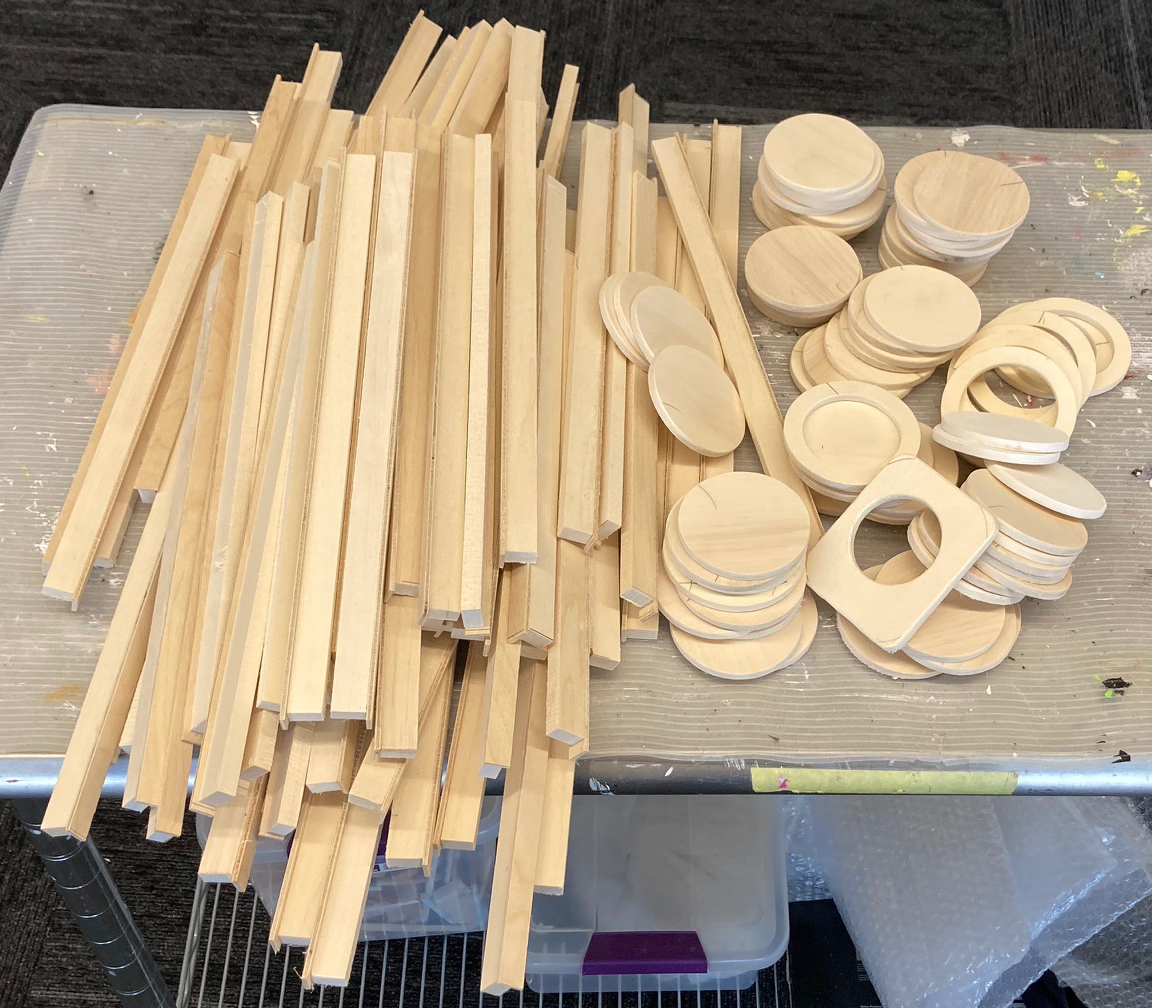
I have this technical note, shown in the image of the stems, to document a change in design. This started after finishing Wildfire in January 2023. What I have done was to return to a previous idea of standing the stems on their edge in order to add depth to the music. This worked fine until I used the larger 3 1/4 wide notes. Those projects include What’s Going on, the last work, Zombie, and this current project. The problem was that the 1/2 wide wood I use for the stems is only about 10mm wide on edge. That look is too narrow for such large notes. The obvious solution would be to go to 1 inch wood, but that is expensive and would add considerable weight to the artwork. A better idea to accommodate the 3 1/4 wide notes, came from the 2019 artworks, Giant Steps and Over the Rainbow. In both works I attached to the stems, for support, 3mm plywood about 14mm wide. But instead of attaching them to the backside of the stems as seen in those projects, I am mounting those 3mm strips on the front side of the stem. It is the 3mm 14mm wide plywood that shows out to the viewer. Another equality important result in this design change is I am now eliminating a considerable amount of tedious sanding. The 3mm plywood is a finishing edge. Little sanding needed. Enough of that.

Scott Von Holzen
S_V_H For No One 2nd image

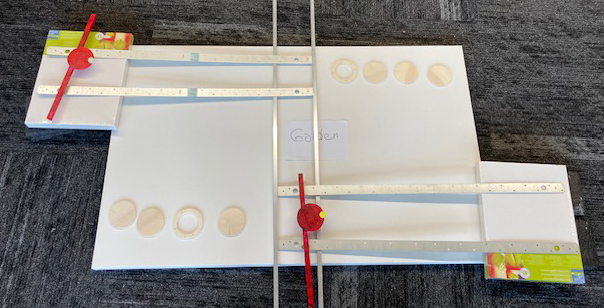
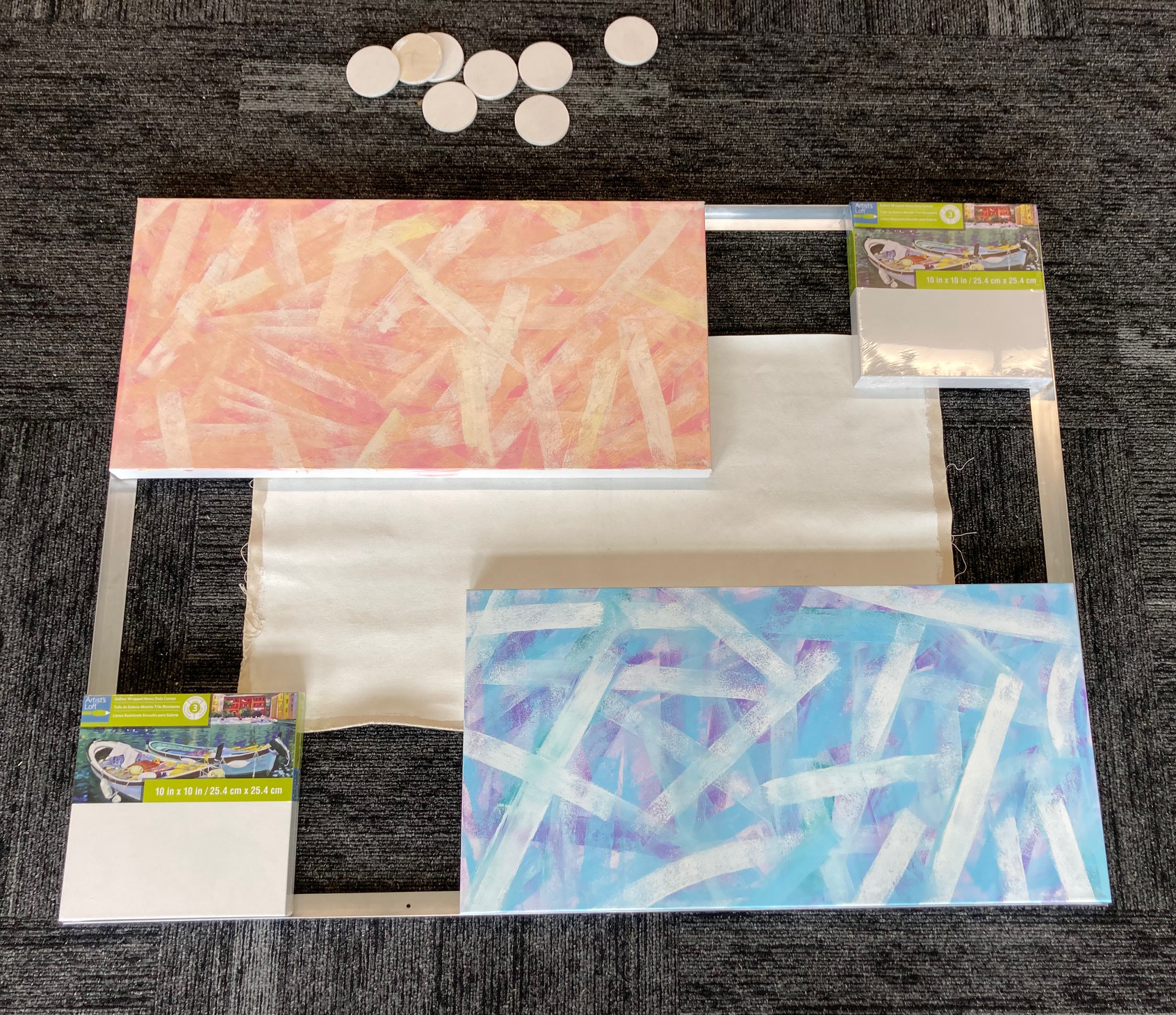
Here is For No One laid out on the floor
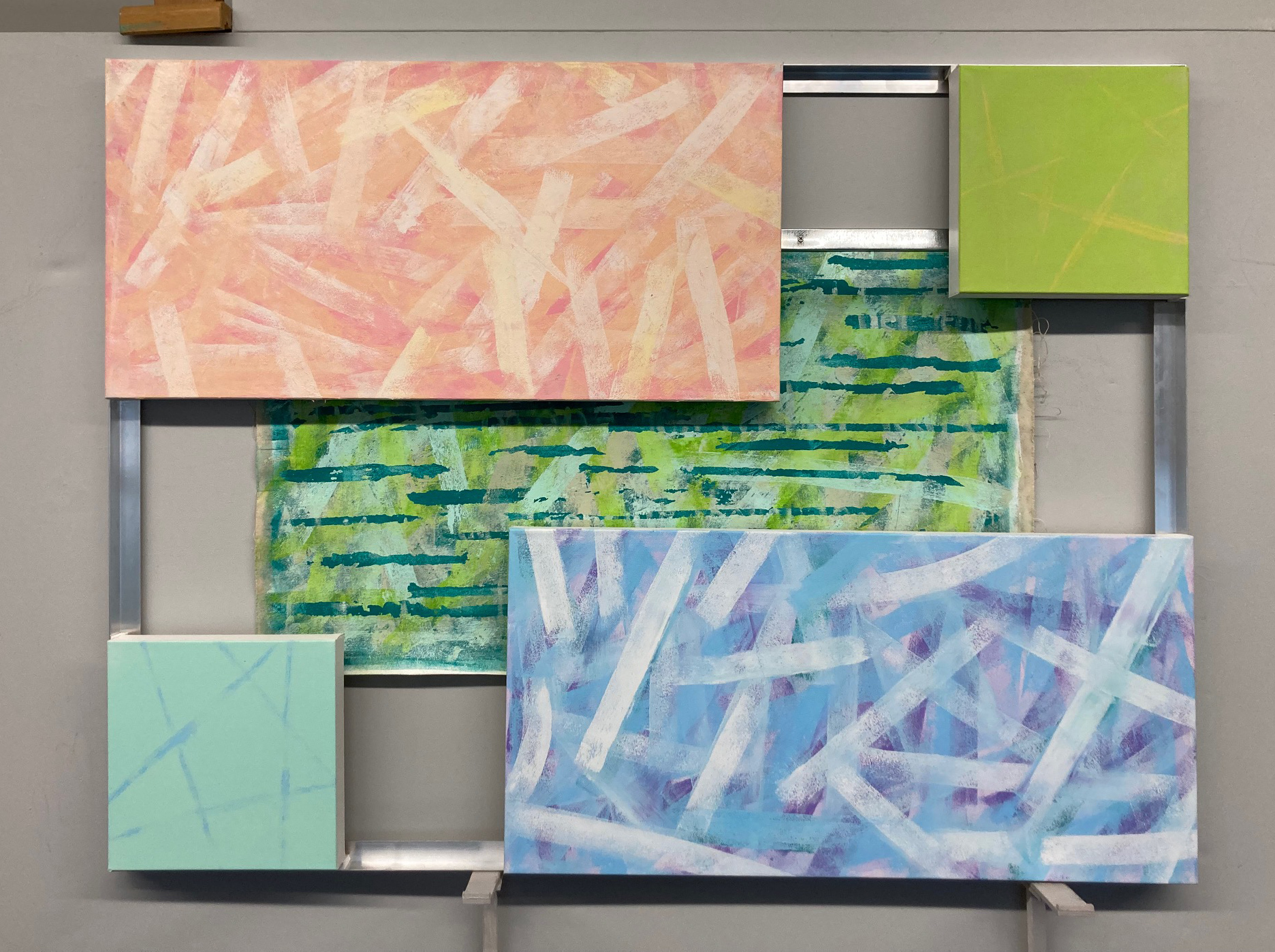
Here is For No One aluminum frame attached and up on the easels. Size 48″ in length.

This artwork’s project has been slowed for different reasons. I have all the music cut, sanded and prime, but the painting is not complete. I did complete my second attempt using ChatGPT to compose a poem based on the lyrics from the music. Once again, I created three different poetic versions. Because of the small size of this artwork, my plan was to pick the best four-line stanza. For the third version I mixed up the lyrics to see if that had any effect. A stanza from this third poem and one from the first version that made the finals. My final choice was made based on the quality of the rhythm, the flow, and the meaning of the stanza. I wanted a poem to best represent the same feelings as Paul McCartney’s original lyrics.

First Version, and final choice, from ChatGPT’s poem from the lyrics:
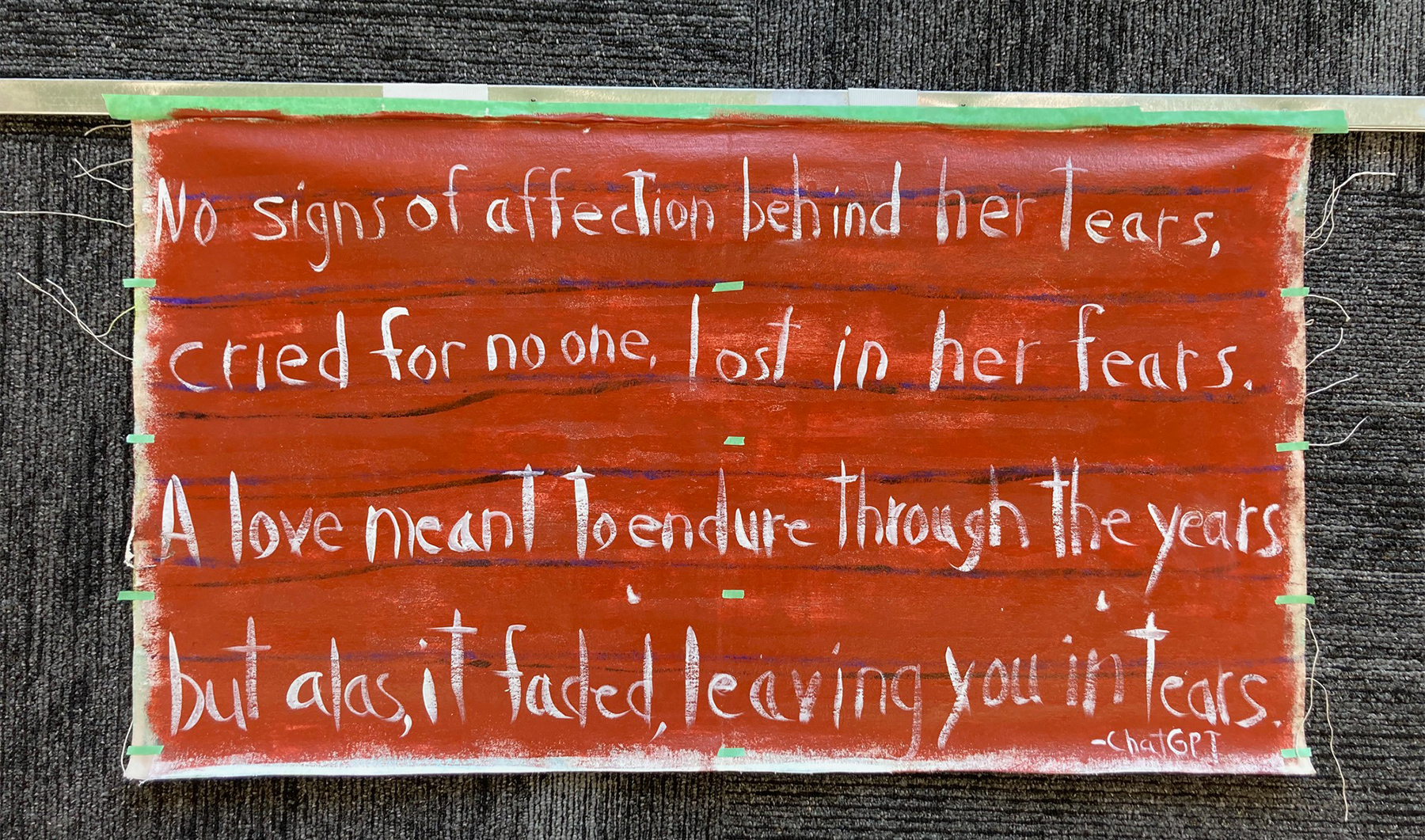
“No signs of affection behind her tears,
Cried for no one, lost in her fears,
A love meant to endure through the years,
But alas, it faded, leaving you in tears.”
-ChatGPT

Here is the runner-up version from the third version of ChatGPT’s poem based on the song’s lyrics:

“In her vacant eyes, a love once a blaze,
Now nothingness lingers, in sorrow’s haze.
Cried for no one, a love that slipped through,
A love that should have lasted, forever true.”
-ChatGPT

I then printed those lyrics on the loose piece of canvas shown in the middle of the artwork. Unlike the previous ChatGPT lyrics with the artwork, One, this time I painted over the words. Using a removal technique I develop, I pressed masking tape against the fresh top layer of paint, which when pulled away the paint in the effort to reveal the poem’s words. My technique worked, but the results did not. My color choices and the over painting made it impossible to read any of ChatGPT’s poem. If I looked closely, I could make out some of the lettering, but none of the words. After a considerable self-debate I painted over the canvas. The image below is what I am going with. No chance this image has any “perceptual equivalence” (video explanation link) just my un-graffiti wall imitation of a ChatGPT generated poem from the lyrics of Paul McCartney that can actually be read.

A stanza generated by ChatGPT

Scott Von Holzen

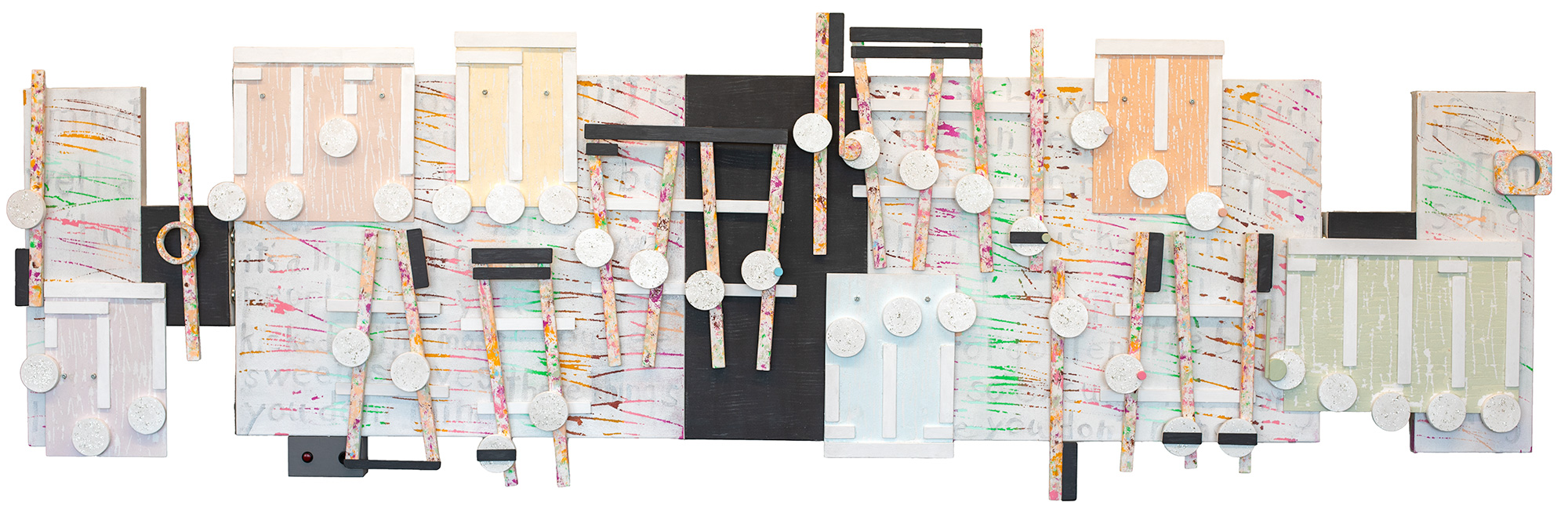
S_V_H Your Song final follow up

Your song with the music in place.

The following video I had to do in two parts. While filming, I carelessly removed the music from the background. This resulted in a magnet falling and damaging the sound board part of the stereo system. The sound board holds the music file and enables me to connect a switch that, when pressed, plays the music. That accident required the soldering and putting together of a replacement sound board that was then rewired to the amplifier, which was not damaged.

The Peter Principal states that “what can go wrong, will go wrong,” What makes that logic even more obvious and true was that I knew well that easy access and a low profile made the stereo components vulnerable to accidents. For now, until I can come up with a better design, I added a simple cover of light bubble wrap over the entire stereo system to deflect and absorb contacting.

Here is a picture of the stereo system used for the music box of Your Song.

This artwork project could be a sign that I may revisit the use of stretched canvases. I like their strong support structure for the music, along with their ease of handling and cost savings. I also have a lot of canvas stock from previous purchases that I do not want to waste.

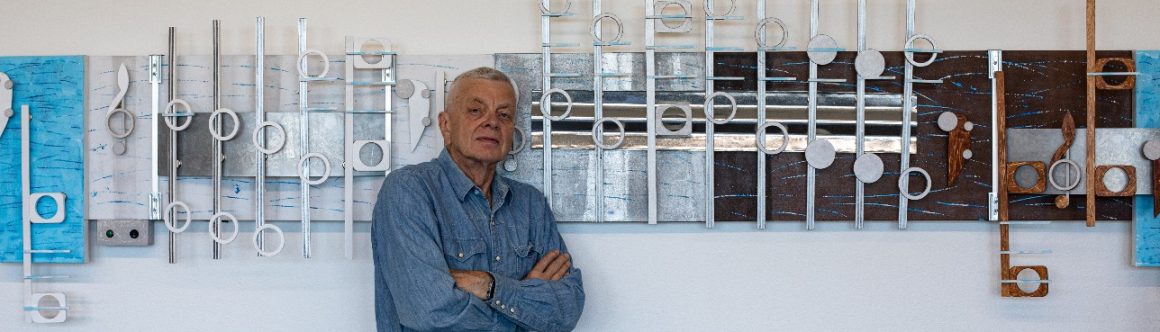
My custom combination of metal framing and free flowing canvases cut to size eliminated a frustration of the limited sizes of stretched canvas that comes with the benefit of cost, and time savings. over making my own frames and stretching the canvas. That means I will continue to use and take advantage of the freedom of this technique, to breakup, and counter the boxy closed look of traditional stretched canvas.

Scott Von Holzen