S_V_H Love Theme (Cinema Paradiso) final

Studio Image
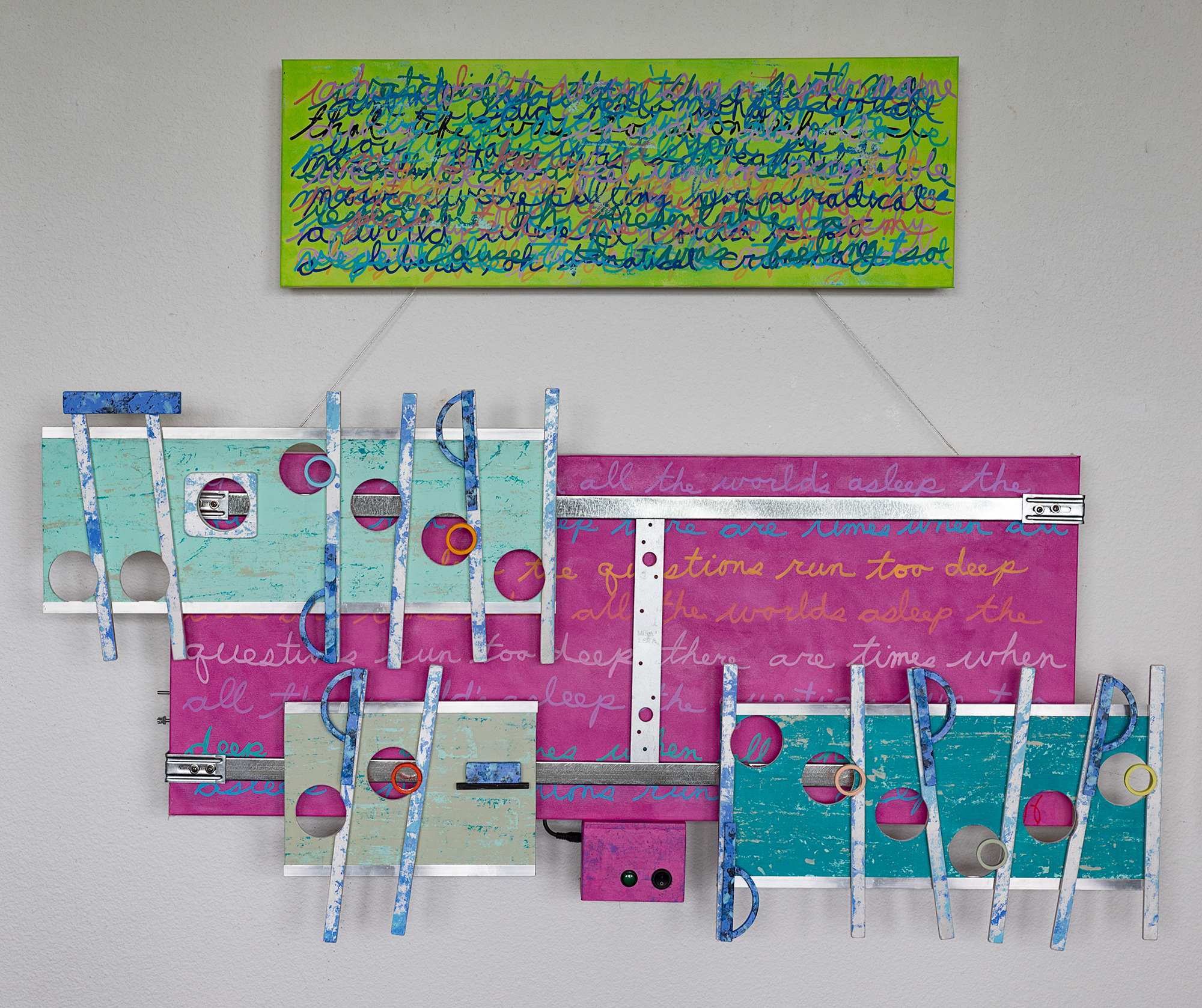
Love Theme (Cinema Paradiso)
≈ L41.5″x H35.5″x D6.5″

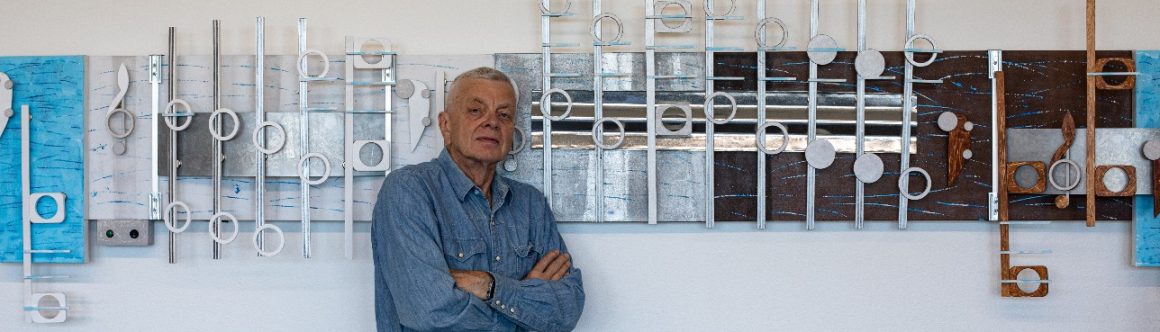
The title of this latest music box is “Love Theme.” The Upper canvas mounts this artwork onto the wall. Written in cursive Italian across the upper canvas are letters and words deliberately made difficult to recognize. Those words are from the artwork’s cover music. The lower larger canvas than hangs from the smaller canvas using a coated wire. Using cursive writing, the repeating flow of words written on the main canvas represents the lyrics that the artwork is sampling. Rising above the canvas, held onto the artwork with magnets, is the artist’s own form of notation. Its up and down flow represents the melody of the words written on the canvas. This artwork exists to present to a viewer a short cover music of a great song. A song that stands out in its use of melody, harmony, and lyrics if you understand Italian.

A reflection about this art and the music box, Love Theme.

Scott Von Holzen

The artist’s cover music for the music box, Love Theme.

I should explain that on my website scottvonholzen.com and on my Portfolio for EmptyWallsArt, I edit down my cover music to 30 seconds. Both sites I define as commercial websites and to meet (any ones guess) copyright rules I provide only a sample of the artworks music. But, this .org site purely exists to tell and document the story of this art. That is its sole purpose that began with the first post in early 2010, onward. And since there is between nothing and near zero public interest in this story, I am going to put it all out there in the details of this art and in my words. Just in case someday this art finds its light.

If I would offend the owners of the music on my .org site, of course I will comply. It is not my music. I did not write it. And yet this art is solely mine. It states clearly my passion for great music. As an art I have always defined it as creating a portrait of a song. Maybe over many years from now, a viewer will find one of these artworks, and by some miracle he or she will press the green button and the music will play. And they, as I do each time I listen, maybe feel the same sensation as I do: “Wow, that was good.” And therefore a song, maybe long forgotten, will again be a harmonic curiosity for a new generation of music appreciators. A piece of music that rings in their heads. This art will reach forward because this art presents itself to the listener in multiple ways.

The artist’s choice of music begins as always, with his attention to three major give-and-take components of a song: melody, harmony, and lyrics. These three features awaken this artist’s interest in a piece of music. But other features of music, such as rhythm, originality, emotional impact, the story of the music, or the story of the artist who created the music, provide additional support. If everything adds up, I can then justify my time, money and effort. That is all there is to it. Unlike 100 percent of artists around me (I have never met another me), this art is not about money. This art has always been about the music, and using my time, my money, and my effort to continue what was so in 2006 still is in 2024.

Scott Von Holzen
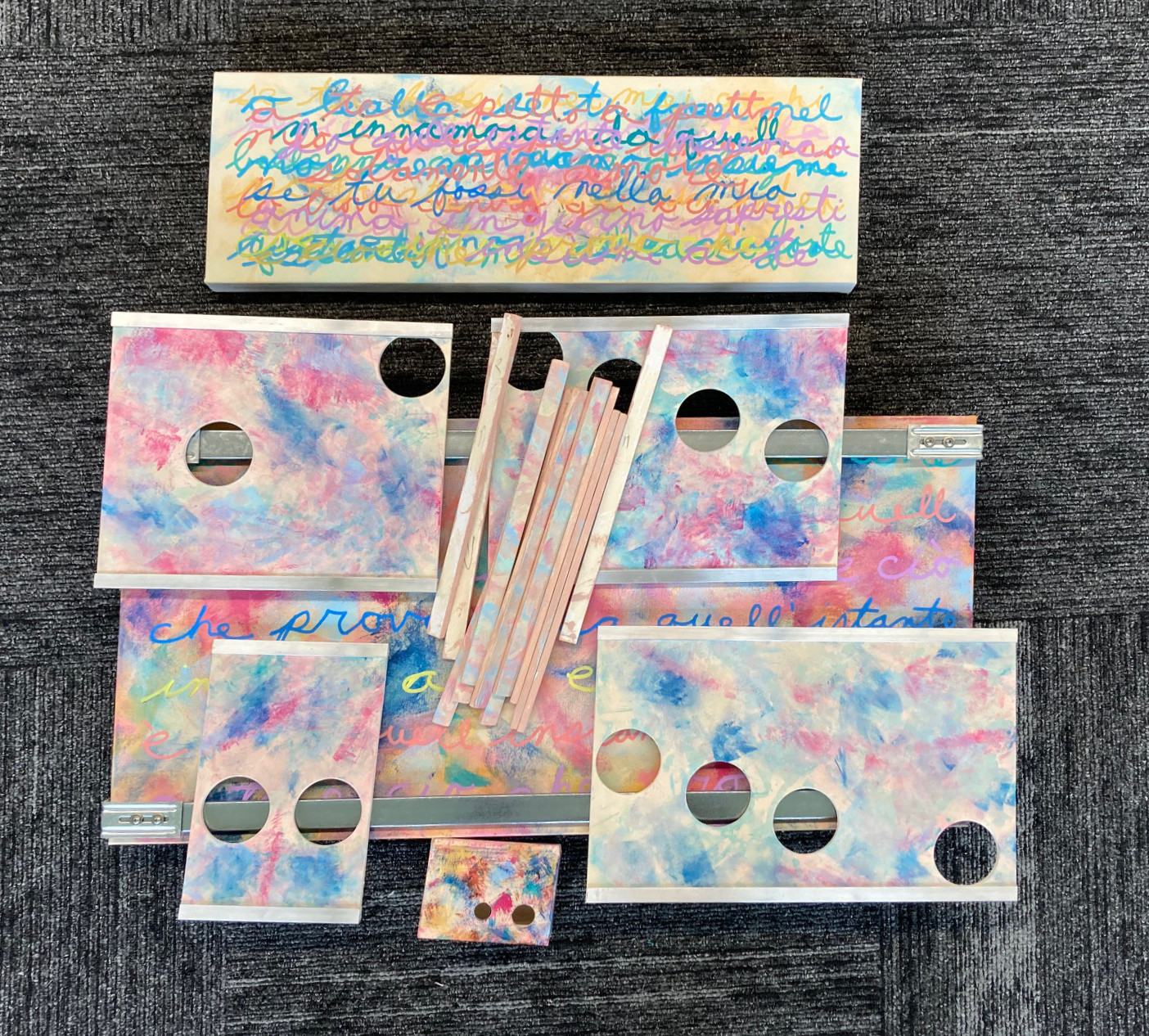
S_V_H Love Theme (Cinema Paradiso) image 2

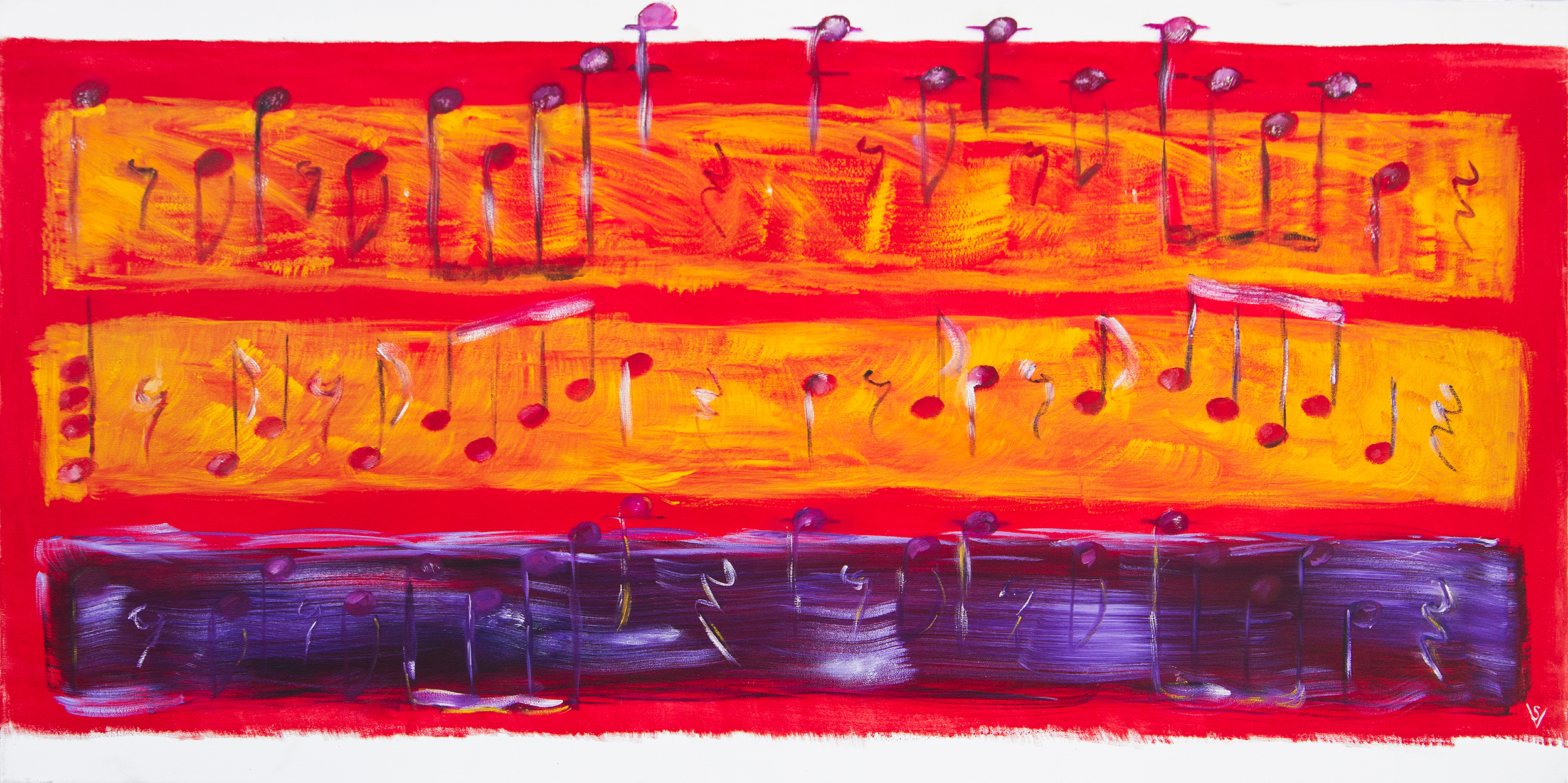
Here are all the major pieces ready to be put together.

This second image shows a move away from dominate solid colors that I have used throughout the history of this art. Solid colors also dominate this miniseries, including the last project, The Logical Song. The idea for this style change, as previously mentioned, occurred when I rediscovered (once again) my appreciation of the Abstract Expressionist painter Helen Frankenthaler. Even though I don’t pour my paint or use unprimed canvas, her expressive use and mix of colors showed me a different way to apply color. For this project I diluted acrylic paints and used a mix of wet and dry toweling to dab and blend multiple colors. The idea is not to abandon areas of solid colors, but returning to this art’s earliest roots seen in a Little Night Music, with an updated look.

The Logical Song 2024
A little Night Music early 2006

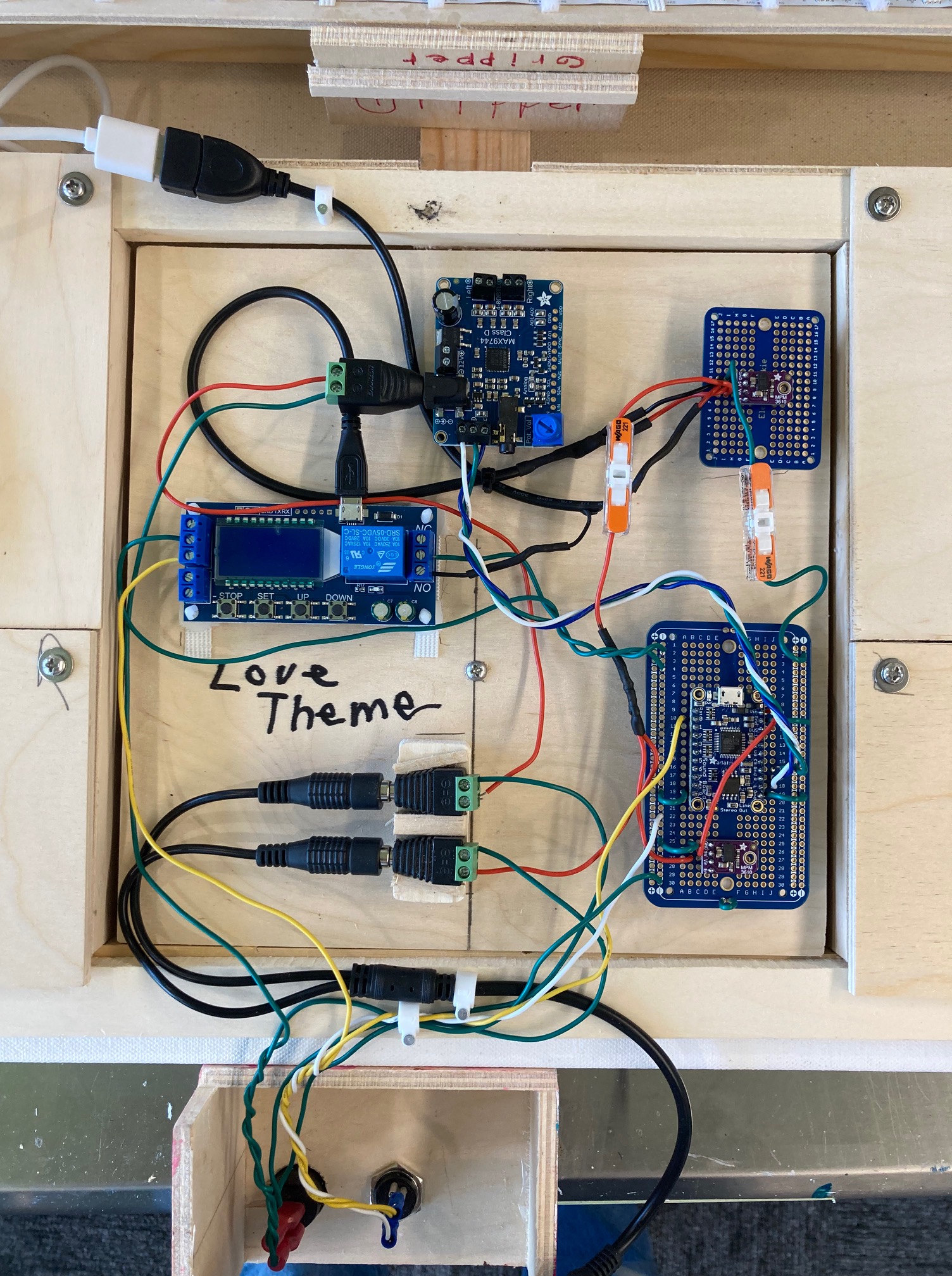
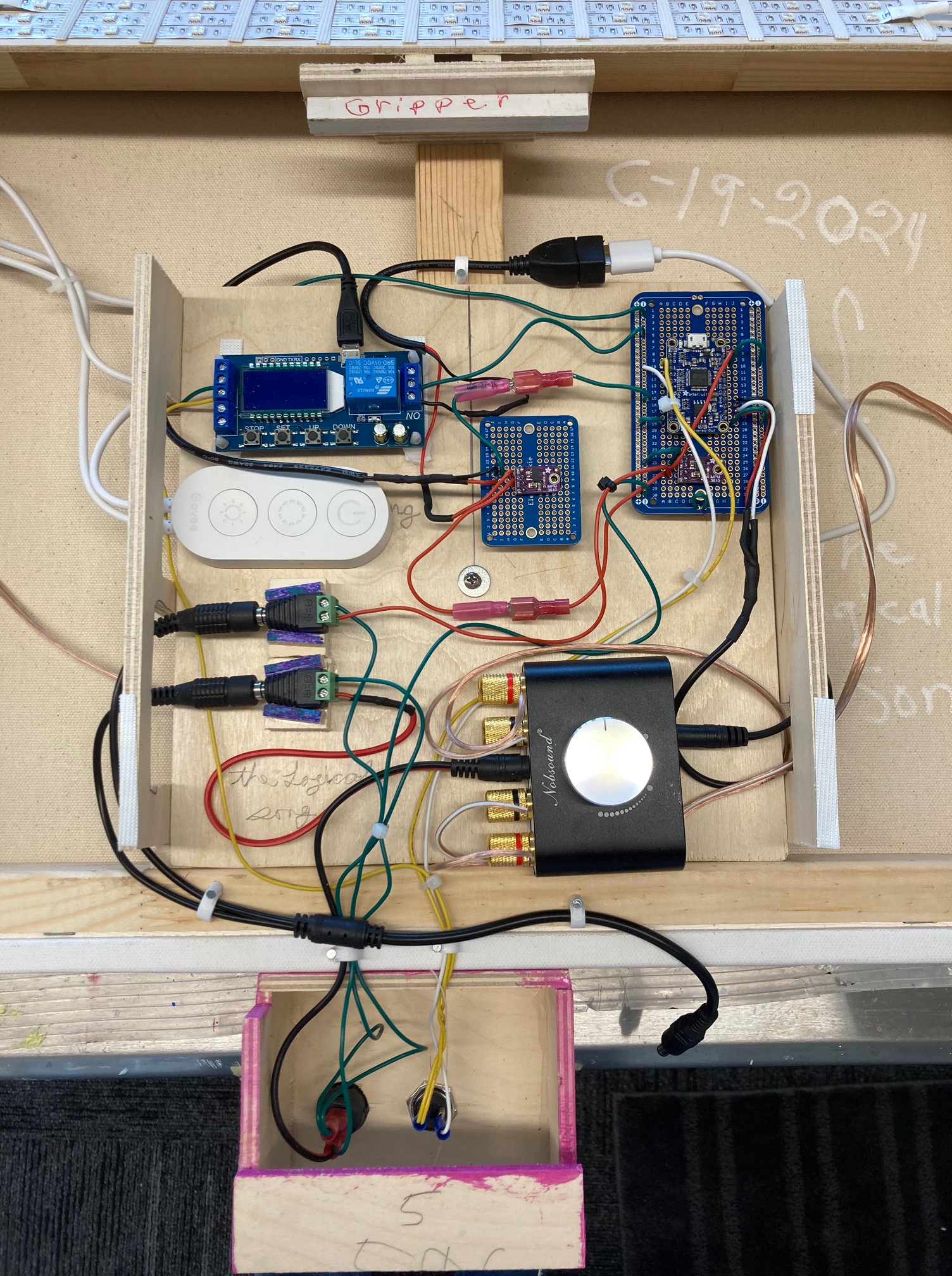
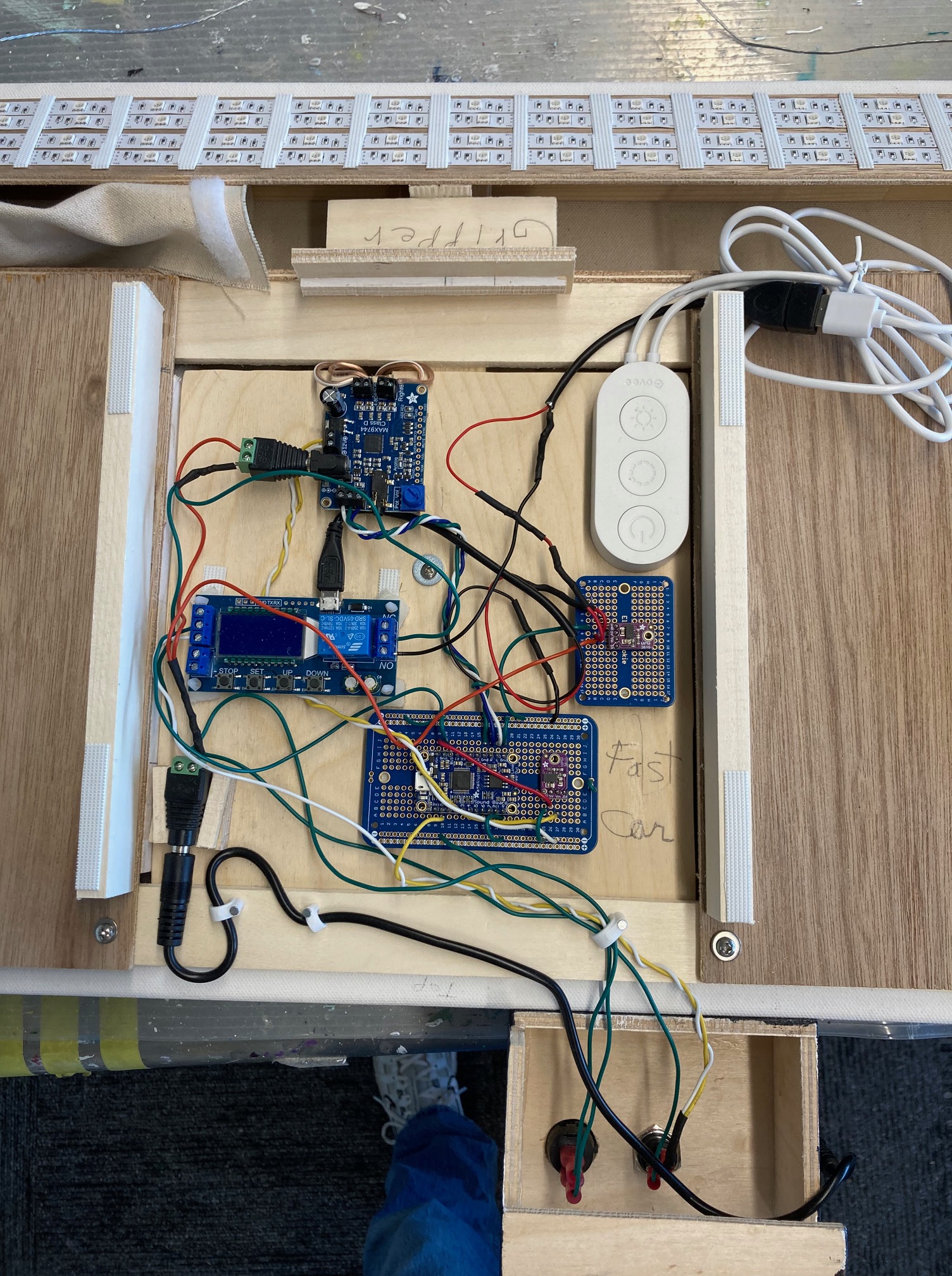
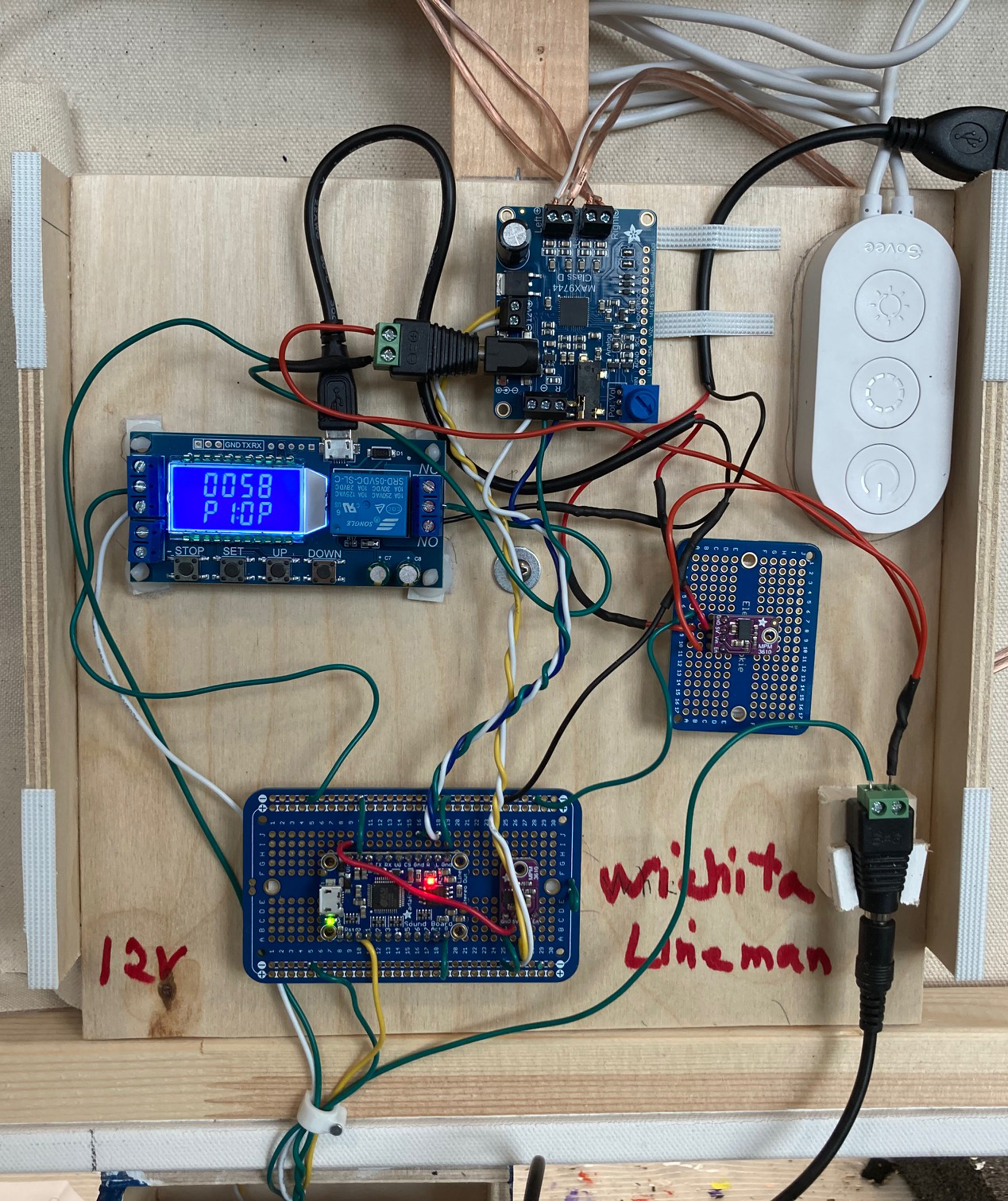
The images show the current configuration of the 12 volt stereo system used in these music boxes. The first system in which the vast majority of projects have used over the years is the Adafruit 20 watt amplifier. This amp requires assemblage and soldering, but is inexpensive. To overcome a back-ordered issue with the Adafruit 20 watt, and future concerns, I research and settled on an alternative amplifier. The Nobsound amplifier, listed as 50 watts, is ready to go and does not require any assemblage or soldering, which is beneficial. It also comes with a 12V power brick that levels the price difference with the Adafruit amplifier. Even though the default power for these artworks is a Lithium battery, they also include a power brick, needed for month long exhibitions.

The current project, seen here with an Adafruit system, is a setup that can also accommodate the Nobsound system as well. The drive continues to simplify the stereo systems used in these music boxes.

Scott Von Holzen

S_V_H The Logical Song Final image

The Logical Song ≈ L49″xH38.5″xD7.25

I enjoy shaking up color combinations seen in this artwork. But I am also at a point after 18 years of such use of color that I feel the need to move on. Besides, there is today so much brazen in your face color out there in contemporary art that I see its usage as a needy nuisance. A way to divert attention from the artists’ lack of originality. If the pretty massive use of matching colors is what the buyer wants, then I see the point. I also feel that color flooding the viewer is much more acceptable than silly and frivolous deep meaning add-ons that permeate today’s art. Similar to the Salon art of the late 19th century, today’s contemporary art comprises outstanding technical quality equally match by an astonishing lack of originality. It is time for Eager Allen Poe “Quoth the Raven “Nevermore.””

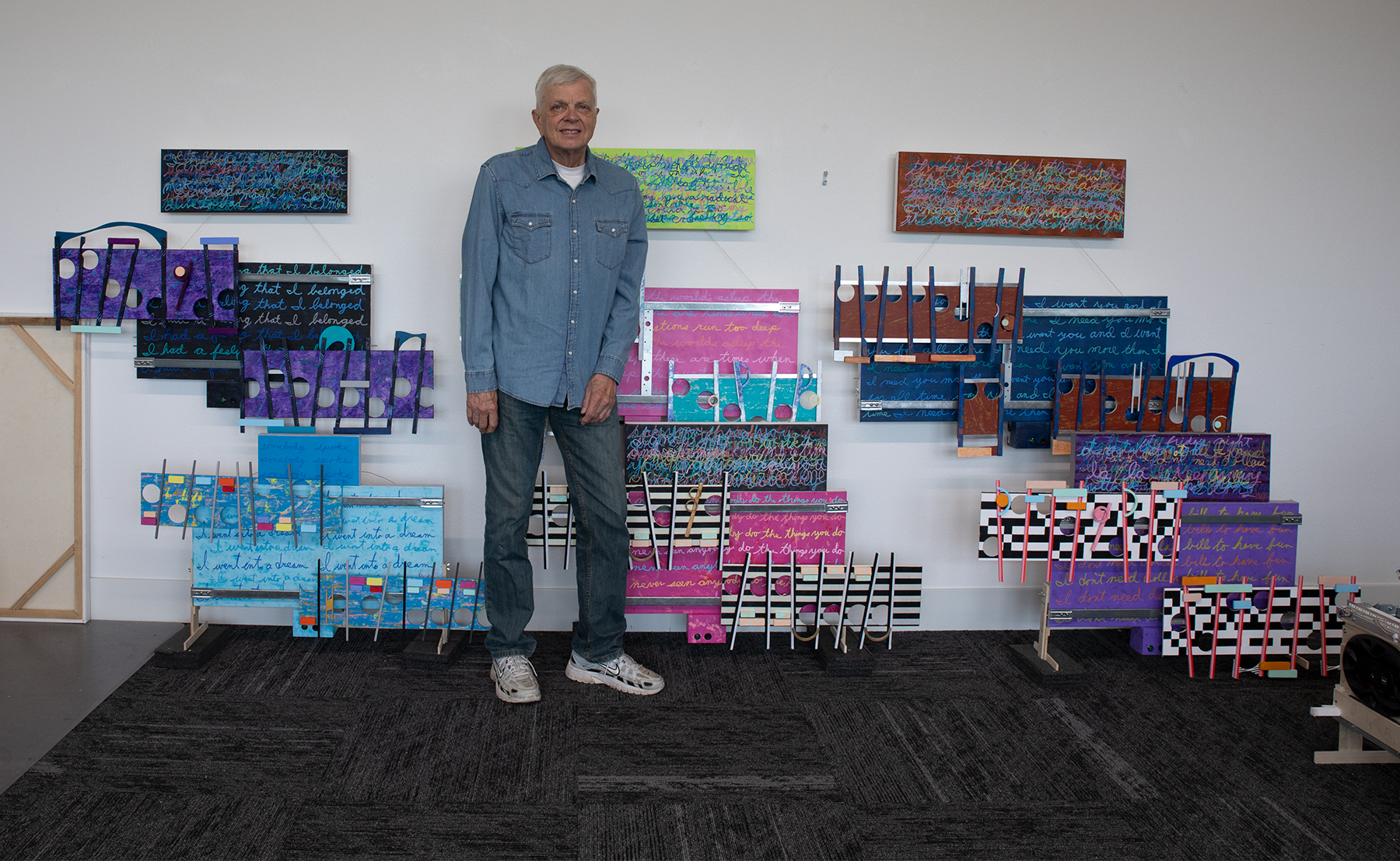
The artist with his latest mini-artworks dated March 1st to June 20th 2024
A talk and play of the first six artworks in this mini-music box series.

Here are several paragraphs documenting this artist’s technical drivel thoughts:
I was a little disappointed by how close the pink colors of the main canvas for Logical and Dance Monkey were. Using Golden Paints for Dance Monkey, I chose the color Medium Magenta. For Logical I mixed a color using Golden Paints Light Magenta, Quinacridone Magenta and Titanium White. My surprise was how similar the two colors turned out. For Logical I was trying to match the reddish pink of the stage lighting for a performance of live performance of The Logical Song.

I rarely mix my colors because that would not serve the purpose of color in these artworks. Over the years, I have accumulated pre-mixed tubes and jars from different companies that offer different shades and tints to cover my needs. Color for this art is like an accidental in music that is used to change the artwork to better represent the music’s original artist, the music, or both. In this art color detail like that of a 19th century John Constable landscape, is totally superfluous.

This is to document the progress in stereo systems in 2024, showing two different amplifier systems that can be alternatives to the standard 20Watt amplifier I have been using for years. The Dance Monkey amp is big, slow to load and may use up the battery quicker. It is the only battery with a heat sink. Its advantage is the bass and treble controls. At this level of hand built stereo systems, the quality of the sound and volume from each feels similar, although the music is different on each artwork.

Scott Von Holzen